

We Treat Dogs Better: Lindsay Clancy Supporters Defend Her as They Demand Better Postpartum Mental Health Care
Supporters rally outside court as Clancy's trial puts postpartum mental health in focus
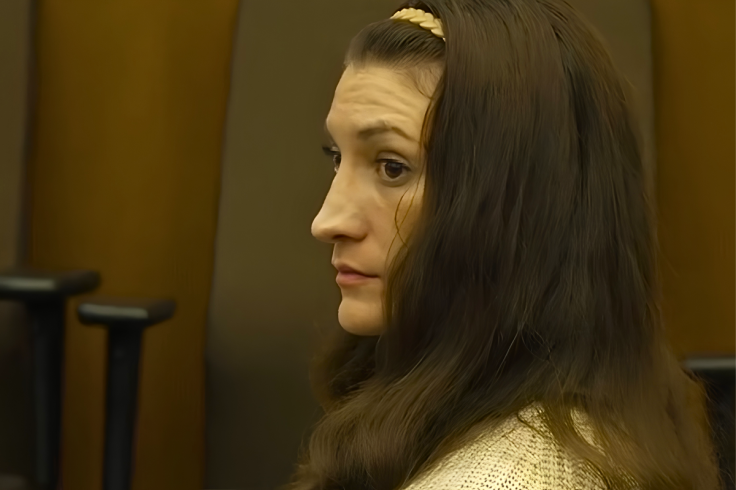
The ongoing trial of Lindsay Clancy has sparked an emotional debate about postpartum mental health, with supporters gathering outside court to defend the Massachusetts mother while demanding greater recognition and treatment for women experiencing severe psychiatric disorders after childbirth.
Clancy is accused of killing her three children, Cora, Dawson and Callan, in January 2023 before attempting suicide. She has pleaded not guilty, with her defence arguing that she was suffering from postpartum psychosis, bipolar disorder and the effects of extensive psychiatric treatment at the time. Prosecutors, meanwhile, maintain that the killings were deliberate and that Clancy should be held responsible.
Lindsay Clancy Supporters Rally Outside Courthouse
Hundreds of people gathered outside the Plymouth courthouse on 20 August as Clancy's trial continued, many wearing pink and carrying messages including 'She Needed Help,' 'Believe' and 'Peace For Lindsay.' Organisers said the demonstrations were intended not simply to support Clancy personally, but also to draw attention to what they believe are failures in the mental healthcare system.
Some supporters have used the phrase 'We treat dogs better than we treat women and children' while discussing the case and the broader treatment of mothers experiencing mental health crises. The sentiment reflects a growing argument among supporters that women can struggle to receive adequate psychiatric care, particularly during pregnancy and the postpartum period.
The demonstrations have also given women who have experienced postpartum mental health problems a platform to discuss their own experiences. Many people online have criticised the support Clancy has received because of the enormity of her alleged crimes. Some have also mocked a GoFundMe campaign established to help support her, with the fund now reaching almost $1 million (£731,000).
Clancy's defence has argued that she repeatedly sought help before the deaths. Court testimony and records have detailed psychiatric appointments, hospitalisation and numerous prescriptions in the months leading up to the tragedy. A Boston Globe review of court records found that she had been prescribed 13 different psychiatric medications during the four months before the killings.
Postpartum Psychosis Under the Spotlight
Postpartum psychosis has become a central issue in the trial. The rare psychiatric emergency can involve hallucinations, delusions, severe insomnia, paranoia and disorientation, and experts say it requires immediate treatment. It affects roughly one to two women in every 1,000 following childbirth.
Mental health experts following the case have stressed that the discussion should extend beyond the courtroom. Amy Colozzo of Postpartum Support International's Massachusetts chapter previously said that roughly one in five mothers experience a perinatal mental health disorder, making maternal mental healthcare a significant public health issue.
Calls for More Dedicated Psychiatric Services
Other experts have pointed to gaps in screening and access to specialised treatment. Only about one-third of women are screened for postpartum mental health symptoms, according to experts cited by the Boston Globe, while specialists have called for better training among healthcare professionals and more dedicated psychiatric services for mothers.
The debate does not diminish the devastating deaths of Clancy's children, nor does public support determine the legal outcome of the case. Instead, supporters argue that the tragedy should force a closer examination of how severe postpartum psychiatric disorders are identified and treated.
© Copyright IBTimes 2026. All rights reserved.