'Passports Confiscated': Massive Attack Detained and Banned From Singapore Over Palestine Flag
Massive Attack say Singapore police detained and questioned members after the band was banned over a Palestinian flag display at a concert.
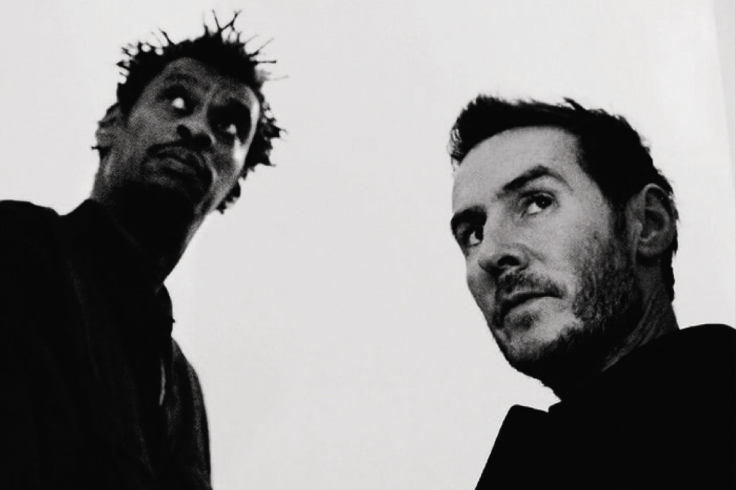
British trip-hop group Massive Attack has accused Singapore police of detaining and questioning members of the band after a Palestinian flag was displayed during a concert in the city-state, with two founding members now barred from returning to the country.
The dispute follows the band's performance at The Star Theatre on 29 July, after which Singapore authorities investigated what they described as an unlawful public display of a foreign flag in support of a political cause.
In a statement published on Instagram, Massive Attack said several members were detained after the show, questioned separately by police, had hotel rooms searched and temporarily surrendered their passports before being allowed to leave the country.
Singapore police have confirmed that two members of the group were investigated and later issued with stern warnings. Authorities also announced that Robert Del Naja and Grant Marshall would not be permitted to re-enter Singapore and that future applications for Massive Attack to perform there would be rejected.
Massive Attack Says Members Were Detained After Concert
Describing the aftermath of the concert, the band said the experience was both unexpected and unsettling. According to the group's statement, members were isolated from one another and interviewed individually by police following the performance.
Massive Attack also alleged that officers searched hotel rooms and temporarily confiscated passports during the investigation. The band said it was 'surprised and disappointed' by the treatment and questioned why displaying what it described as 'the flag of a sovereign state recognised by 157 countries' would result in police action.
The statement defended the flag display as an expression of solidarity with Palestinians rather than an attempt to interfere in Singapore's domestic affairs. The group also said audience members chanted 'Free Palestine' before and after the performance, describing the response from concertgoers as overwhelmingly supportive.
Beyond the immediate incident, Massive Attack framed the case as part of a broader discussion about freedom of expression, referring to restrictions on protest in several countries, including the United Kingdom.
The band concluded by thanking Singaporean fans for their support while urging the government to ratify the United Nations International Covenant on Civil and Political Rights, an international treaty that Singapore has not adopted.
Singapore Cites Public Order and Flag Laws
Singapore authorities offered a markedly different account of the incident.
In a joint statement, the Singapore Police Force and the Infocomm Media Development Authority (IMDA) said investigators concluded that two members of Massive Attack had breached local laws by displaying a foreign flag in support of a political cause during a licensed public entertainment event.
Police said the investigation centred on potential offences under the Foreign National Emblems (Control of Display) Act and the Public Order Act. Officials said the organisers had previously acknowledged licensing conditions that prohibited the display of flags connected to political causes during the concert.
Authorities also reiterated that Singapore takes a firm approach towards public demonstrations and political expression involving foreign conflicts, particularly where such activities could affect what the government describes as racial and religious harmony.
The police said the two musicians received stern warnings rather than criminal prosecution but confirmed they would be barred from returning to Singapore. The IMDA separately announced it would reject any future applications by Massive Attack to perform in the country.
Singapore's Approach to Political Expression
Singapore maintains some of the region's strictest laws governing public assemblies, political demonstrations and displays of foreign national symbols. Public performances operate under licensing conditions that prohibit political campaigning or activities authorities believe could generate social or religious tension.
The government's approach has long been justified as necessary to preserve stability in a multicultural society comprising multiple ethnic and religious communities. Critics, however, have argued that the regulations place significant limits on freedom of expression and artistic performance.
The Palestinian flag has become particularly sensitive internationally since the outbreak of the Israel-Hamas conflict, with governments around the world adopting differing approaches to demonstrations, symbols and public expressions of support.
Singapore has consistently stated that while individuals may hold personal views, public actions capable of inflaming tensions are subject to legal restrictions.
Dispute Extends Beyond One Concert
Videos recorded during the concert quickly circulated across social media, showing audience members chanting 'Free Palestine' during portions of the performance. The footage helped propel the incident beyond Singapore, drawing international attention to the band's actions and the government's response.
Neither side has indicated any willingness to soften its position. Massive Attack continues to characterise the incident as an issue of artistic freedom and political expression.
Singapore, meanwhile, maintains that the investigation and subsequent ban were based solely on breaches of local legislation governing public performances and the display of foreign political symbols. The case highlights the challenges international artists can face when performing in jurisdictions with significantly different legal frameworks governing political expression.
For Massive Attack, the result is an indefinite ban from returning to Singapore. For Singapore, the decision reinforces its longstanding policy that overseas performers are expected to comply with local laws regardless of the political message they intend to convey.
© Copyright IBTimes 2026. All rights reserved.
- Recommended For You