

UK Government to Cut Packaging Costs, Saving Pubs and Businesses up to £870 Annually
From April 2027, certain glass drink containers supplied directly to hospitality venues will be exempt from pEPR fees, although manufacturers may receive the savings
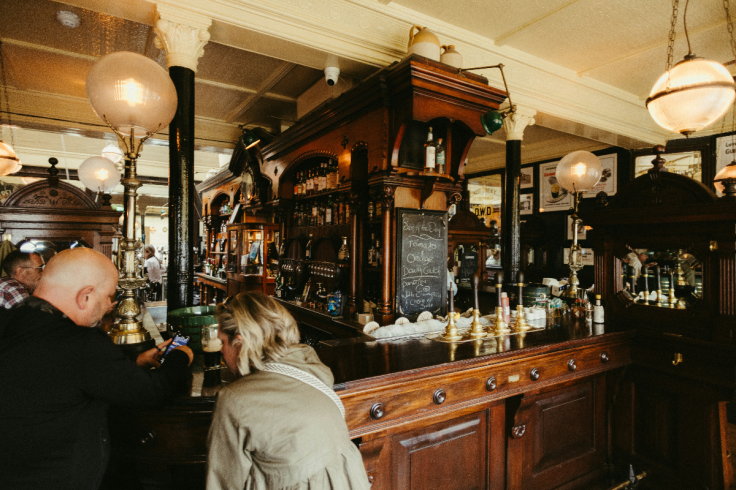
The Government estimates that a packaging fee exemption due to take effect in April 2027 could save up to £870 a year on eligible glass containers for a pub selling 10,000 beer bottles and 3,700 wine bottles.
Announced by the Department for Environment, Food & Rural Affairs (Defra) and Environment Secretary Dame Angela Eagle on 11 November 2026, the exemption will apply to certain glass drinks containers supplied directly by producers to pubs, restaurants and other licensed hospitality venues.
Defra said the change would remove duplicate recycling charges on eligible containers. The savings would go to the businesses that pay the fees, such as drinks manufacturers, and are not guaranteed to result in lower bills for pubs.
What the £870 Estimate Covers
The government's annual estimate is based on current fees and industry consumption figures for a pub selling 10,000 beer bottles and 3,700 wine bottles. The proposed exemption applies to qualifying containers supplied directly to hospitality venues, rather than all glass packaging used by businesses.
Estimated savings range from £0.04 to £0.06 per beer bottle, depending on its size, and reach £0.10 per wine bottle. The glass measures are set to apply across England, Scotland, Wales and Northern Ireland.
The government said the changes would address double charging for recycling the same packaging and support British glass manufacturing. It said producer responsibility would remain in place, while the reforms would change how charges apply to the eligible glass containers.
Easier-to-Recycle Packaging Could Cost Less
The Government plans to consult businesses on changes to packaging fees that could reduce charges for readily recyclable materials, including glass and paper, while increasing them for some harder-to-recycle materials, such as certain plastics.
The Department for Environment, Food & Rural Affairs (Defra) said the proposed approach could cut annual fees for the most recyclable packaging by up to 40%. The changes are subject to consultation and are separate from the exemption, due to begin in April 2027, for certain glass drinks containers supplied directly to hospitality venues.
The Government also plans to update the material value assigned to glass packaging and bring forward higher modulation factors for less recyclable materials from the scheme's third year, starting in April 2027.
PackUK, which administers the pEPR programme, will launch a call for evidence in early 2027 on packaging waste fees paid by manufacturers. The planned work to link charges more closely to recyclability will cover all four UK nations.
A separate call for evidence, scheduled for December 2026, will examine ways businesses could expand packaging reuse to reduce waste and plastic use. It will cover England, Scotland and Northern Ireland.
The Government said producers would continue to contribute to packaging waste management. It said the scheme had provided councils with £1.4 billion to improve recycling services.
Glassmakers Welcome Relief but Face a Wait
British Glass said on 11 November that the announced changes would recognise glass's recyclability and address some of the costs the packaging scheme places on manufacturers.
The trade body said glass could be recycled into new bottles and jars without losing quality. It argued that fees calculated by weight rather than by container had put glass at a disadvantage compared with lighter materials, including some it said were harder to recycle.
British Glass said the costs had encouraged food and drink brands that buy packaging by unit to switch materials, putting domestic glass production under pressure.
'Today's announcement is a welcome first step; however, challenges remain,' the organisation said.
It said the reforms would take effect in the scheme's third year, from April 2027 to March 2028. British Glass said manufacturers faced high energy costs, international competition and uncertainty over future packaging policy, and called for further support for investment and growth.
© Copyright IBTimes 2026. All rights reserved.