

NATO Jets Open Fire on Drone Inside Romania: How Close Is Europe to WW3?
Drone interception highlights growing concerns over NATO airspace violations
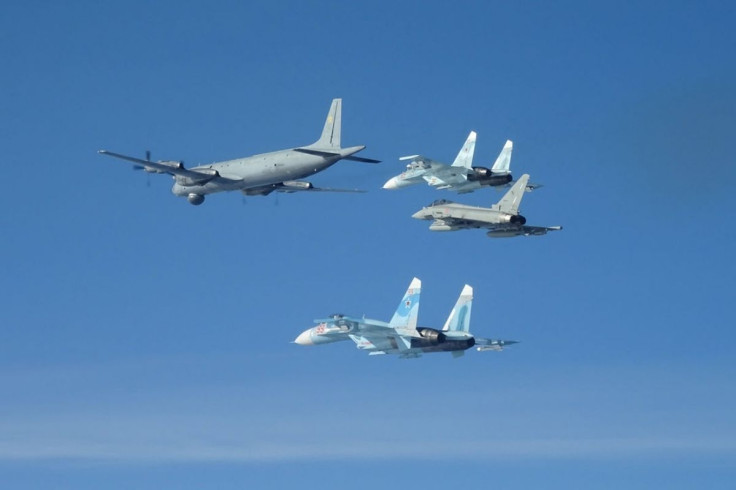
Fresh concerns about a wider European conflict have emerged after NATO fighter jets shot down a drone that entered Romanian airspace during one of the latest escalations linked to Russia's war in Ukraine.
The incident occurred early on 16 August when a Spanish F-18 fighter operating under NATO command intercepted and destroyed an unmanned aircraft that had crossed into Romanian territory near the city of Galați. Romanian authorities said the drone entered from neighbouring Moldova before being tracked and engaged over an uninhabited area. Debris fell away from populated locations, and no casualties were reported.
While the drone's origin remains under investigation, NATO officials have said preliminary assessments indicate it was likely Russian. The alliance stressed that it remains prepared to defend member states against any threat to their airspace.
Why The Incident Is Raising WW3 Fears
The shootdown has attracted attention because it occurred inside the territory of a NATO member state.
Under NATO's collective defence framework, an attack on one member can potentially trigger a broader alliance response. Although officials have not suggested that the latest drone incident meets that threshold, repeated airspace violations have fuelled concerns that the war in Ukraine could accidentally spill across borders.
Romania, which shares a lengthy border with Ukraine, has become one of the NATO countries most frequently affected by stray drones, missile debris and other security incidents linked to the conflict. The latest interception marked the fourth drone shot down over Romanian territory this year alone.
Just days earlier, NATO aircraft were involved in another drone interception elsewhere in alliance airspace, highlighting a growing pattern of incidents around the eastern flank.
Russia and Ukraine Intensify Attacks
The Romanian incident came amid a major exchange of strikes between Russia and Ukraine.
Russian forces launched fresh missile and drone attacks on multiple Ukrainian cities, while Ukraine responded with one of its largest aerial operations of the war. Russian officials claimed hundreds of Ukrainian drones targeted Moscow and other regions, while Ukrainian authorities reported strikes on military and industrial targets inside Russia.
Security analysts say the increasing scale of drone warfare is making accidental cross-border incidents more likely. Drones can be diverted by electronic warfare systems, navigation failures or changing weather conditions, causing them to enter neighbouring countries.
War in Ukraine 🇺🇦🇷🇺 Ukrainian Army struck deep into Russia at night. The drones targeted, among other locations, the city of Podolsk in the Moscow Oblast and the logistics center of the online retailer Wildberries, located nearby in the village of Koledino, about 60 km from… pic.twitter.com/V8dkviTSe6
— Skënderbej_ (@AncientAlien01) August 17, 2026
How Close Is Europe to a Wider War?
Despite the dramatic headlines, defence experts note that NATO's response demonstrates the alliance's existing procedures rather than a move towards direct war with Russia.
The drone was intercepted, tracked and destroyed under established air policing protocols. NATO has repeatedly stated that it does not seek direct military confrontation with Russia, while continuing to defend alliance territory.
However, the frequency of such incidents is increasing. Romanian authorities have reported multiple drone incursions this year, and NATO members across Eastern Europe have been forced to respond to airspace violations linked to the conflict.
For now, the latest shootdown appears to be another example of the Ukraine war edging closer to NATO borders rather than a direct step towards a global conflict. Yet as drone incursions become more common and military activity intensifies across the region, European leaders face growing pressure to prevent isolated incidents from escalating into something much larger.
© Copyright IBTimes 2026. All rights reserved.