

Nearly 1 Million Americans Are Getting $500 Obamacare Refunds—Who Qualifies?
Only full-price enrollees in 30 federal exchange states get a cheque
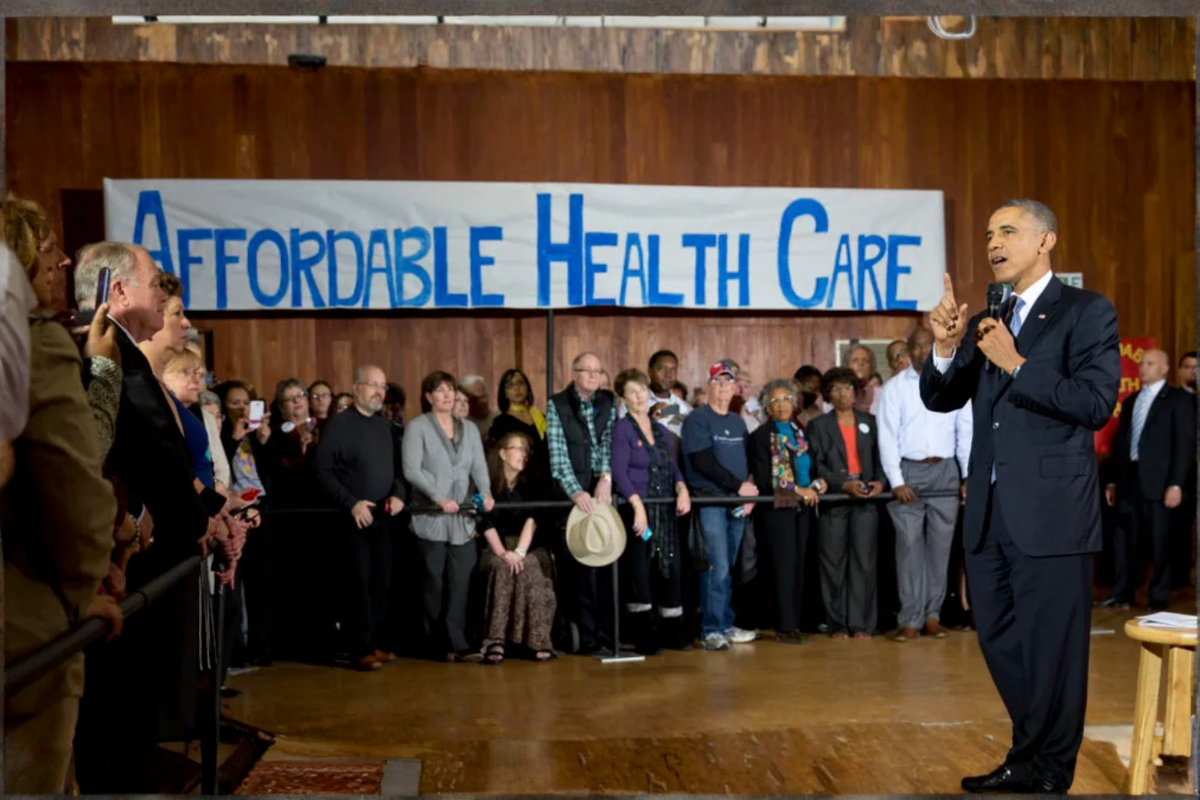
Nearly 1M Americans are receiving $500 (£375) refunds on their Obamacare premiums, but the money is going to a specific group, and most enrollees will not qualify.
The Trump administration announced the payments on 10 September and began sending them at the end of the month, with more due to follow through October 2026. Each one arrives with a signed letter from President Donald Trump. The White House puts the total being returned at hundreds of millions of dollars.
Who Qualifies for the $500 Obamacare Refund
A recipient has to live in one of the 30 states that run their marketplace through the federal platform, HealthCare.gov. They have to have bought an individual plan on that exchange. And they have to pay the full premium themselves, without government subsidies.
That final condition is the one that rules most people out. An administration official said the cheques are going mainly to enrollees who earn above 400% of the federal poverty line, the income point at which premium assistance disappears. These are people who were already paying the full, unsubsidised cost of their cover.
Some families will receive more than one payment. A household with more than one 'affected person' could get several $500 cheques, sent by post or by direct deposit, according to the official.
The 30 States Where the Cheques Are Landing
Eligibility also turns on geography, because the refund is tied to the federal exchange. States that run their own marketplaces, among them California, New York, and Pennsylvania, are excluded, whatever their residents paid in premiums.
The qualifying states are Alabama, Alaska, Arizona, Arkansas, Delaware, Florida, Hawaii, Indiana, Iowa, Kansas, Louisiana, Michigan, Mississippi, Missouri, Montana, Nebraska, New Hampshire, North Carolina, North Dakota, Ohio, Oklahoma, Oregon, South Carolina, South Dakota, Tennessee, Texas, Utah, West Virginia, Wisconsin, and Wyoming.
Why the Government Says It Owes the Money
The payment traces back to a fee that funds HealthCare.gov. Insurers on the federal exchange pay a user fee, set as a percentage of monthly premiums, and typically pass that cost on to customers. The White House says that under the Biden administration, the fee brought in far more than the exchange needed to operate, leaving a surplus that was never returned to the people who paid it.
The administration described that as a 'gross mismanagement of Obamacare' and has presented the refund as handing the money back.
'That money belongs to hard-working Americans, not the Government, and now, I am returning it to you!' Trump wrote in the letter sent with the cheques. He has framed it as a direct transfer, with insurers losing out.
A Refund Against a Backdrop of Rising Obamacare Premiums
The people receiving the refund are not those most affected by the biggest recent change to the market. Enhanced premium tax credits, the more generous subsidies first introduced in 2021, lapsed on 31 December 2025 after Congress chose not to extend them. More than 20M enrollees had relied on that help. For 2026, many saw premiums double or triple, and some switched to cheaper plans or dropped cover.
By contrast, the $500 cheques go to people who never received those subsidies. In a survey by health policy group KFF published in March, half of marketplace enrollees said their premiums, deductibles, or other costs were a lot higher than a year earlier.
The payments are also reaching voters just over a month before November's midterm elections, with the cost of living already dominating the campaign. Trump has separately pledged to send every American adult $5,000 (£3,750) if Republicans hold both chambers of Congress.
The Questions the Obamacare Refund Leaves Open
Several details remain unclear, including whether $500 matches what any one person overpaid, where the money is drawn from, and whether the payout needs sign-off from Congress.
The payment has also drawn criticism. Brad Woodhouse, who leads the advocacy group Protect Our Care, dismissed it as a 'gimmick'. 'Since Republicans took away tax credits from working families, millions of people have seen their monthly premiums rise by hundreds, if not thousands, of dollars,' he said. 'At a time when people are scraping by to keep up with the high cost of groceries, rent, and health care, this $500 gimmick won't even begin to dig them out of the hole that Trump and Republicans created.'
Eligible enrollees need not apply. The cheque or direct deposit should arrive with the presidential letter in the coming weeks.
© Copyright IBTimes 2026. All rights reserved.