Grandmother Saved £20K for Her Grandchildren's University, Then Her Alzheimer's Left the Money Trapped
The bank demanded consent that a woman with advanced dementia couldn't give
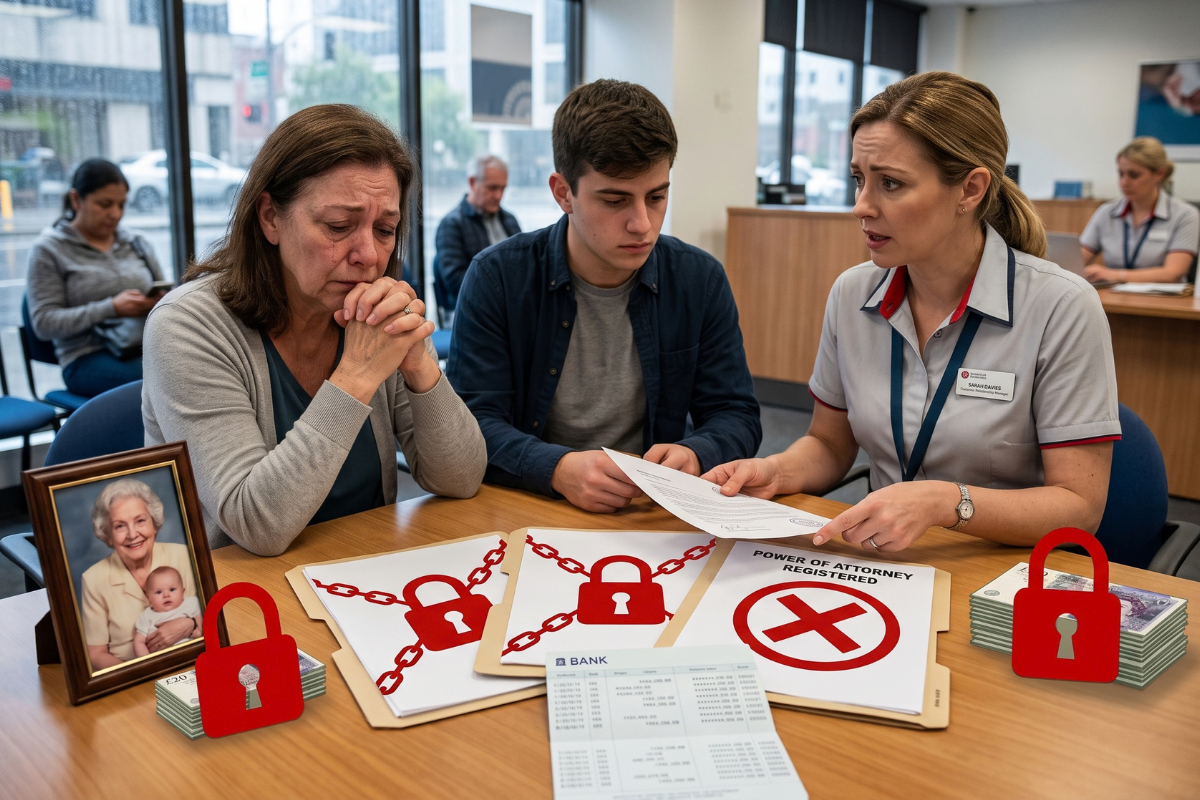
A grandmother spent years paying into two savings accounts so her grandchildren would not have to worry about the cost of university. By the time the elder of the two reached campus, about £20,000 ($26,400) had been built up across the pair of accounts. None of it could be reached.
The money sat in NatWest First Saver accounts, opened in trust for the grandchildren when they were born and topped up month after month. The plan was simple. Hand the savings over at 18 and take some of the sting out of tuition and living costs. Money paid into a child's account is controlled by the adult who opens it until the child comes of age, which is why the grandmother's health would later prove decisive.
Grandmother's Alzheimer's Left £20,000 Savings Out of Reach
The grandmother developed Alzheimer's, now at an advanced stage. Her daughter had already registered financial power of attorney to act on her behalf. It made no difference, and the bank still would not release the money.
Staff told the daughter that the grandmother had to consent before the grandchildren could touch the accounts, something a woman in the final stages of dementia could not do. At different points, the daughter, from Worcestershire, said she was told to set up online banking in her mother's name without consent, and to request a single one-off payment of less than £1,000 ($1,320). She said she was also told it would be 'easier if my mother were dead.'
Family Took Out Bank Loan While Savings Remained Frozen
One grandchild had started a degree the previous year, and the other was about to begin. With the accounts frozen, the family took out a bank loan to cover the costs the savings were meant to meet. For the best part of a year, staff in call centres and branches could not resolve what should have been a routine request. The daughter took the case to the consumer champions column at The Guardian, and NatWest released the funds.
Around 982,000 people in the UK are living with dementia, according to the Alzheimer's Society, a figure the charity expects to reach 1.4M by 2040. More than a third of them have no formal diagnosis. Behind many of those cases sits a bank account that somebody else needs to manage.
How Power of Attorney Should Have Released the Money
The daughter already held the document built for this situation.
A property and financial affairs power of attorney lets an attorney operate someone's bank accounts, settle their bills, and manage their savings once that person can no longer do so. Government guidance states that banks and other organisations will ask for proof that a person is an attorney, and that the registered document is that proof. On that basis, the consent NatWest asked for was not needed, because the attorney was already entitled to act in the donor's place.
NatWest blamed a 'lack of colleague awareness' of what it called a 'complex process', and said what it learned from the case would inform future improvements. The grandchildren now have access to the funds, and the bank has paid compensation for the delay. NatWest did not disclose the amount.
© Copyright IBTimes 2026. All rights reserved.
- Recommended For You