Woman Loses $9,800 CAD After Scammer's Phone Number Matches the One on Her Bank's Website
The woman signed a form before withdrawing money through the teller, which doesn't make the bank liable

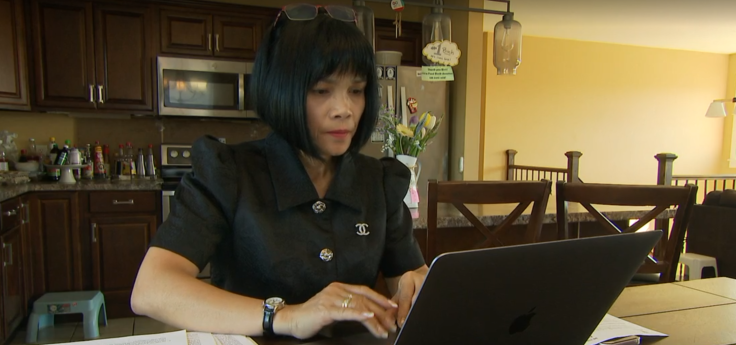
Binh Tran from the Canadian Province of Prince Edward Island knew something was wrong when a caller claiming to be from TD Bank's fraud department told her to withdraw her savings and put the cash into a bitcoin machine.
However, when she checked the phone number online, it appeared to match the number listed on TD's website. She trusted it, followed the instructions, and lost $9,800 CAD ($6,929).
Six months later, the money is still gone.
For Tran, the loss is not simply another fraud statistic. She works part-time at a Superstore and said the money was a big part of her retirement nest egg.
'I just work at a Superstore at [a] part-time job, so this is a huge amount. This is my retirement nest, so I cannot lose that amount,' she recently told a media outlet. 'I just want my money back to my account. It's not easy.'
The Call That Started It All
One morning in March, Tran answered a call from a person claiming to work for TD Bank's fraud prevention department. The caller told her she was needed for an investigation. 'He told me that I ... need to withdraw my money for safety,' Tran said.
She was told to remain on the phone while she went into the bank. Tran withdrew the money through a teller and was subsequently instructed to deposit it into a bitcoin machine for verification.
The Canadian Anti-Fraud Centre now specifically warns about this type of fraud, in which criminals impersonate bank investigators and tell victims to move money or participate in an investigation. It says legitimate investigators will not ask people to send money as part of an investigation.
At the time, Tran had another reason to believe the caller was genuine. She searched online for the number the caller had used and found it matched a number listed on TD's website. That convinced her the call was legitimate. She ultimately lost a big part of her savings.
Why TD Refused To Reimburse Her
Earlier this month, Tran was informed that TD Bank would not reimburse the money. She reportedly signed a form when she withdrew the money, which doesn't make the bank liable for her loss.
The document stated that TD had warned her that fraudsters may ask victims to purchase gift cards or bitcoin. It also records the customer's confirmation that the withdrawal was made of their 'own free will, without any coercion or pressure from a third party.'
However, Tran believes the bank did not do enough to investigate what happened. 'I think that the TD Bank, they didn't do anything for investigation. They don't care about a customer. They don't care about a customer loss,' she added.
A TD spokesperson reportedly said the bank takes fraud reports 'very seriously' and confirmed that it had reviewed the matter, shared its findings with Tran, and explained the reasoning behind its decision not to reimburse.
The bank also said protecting customers remains a priority and that it has multiple layers of security, monitoring, and customer education in place.
Tran Goes To The Police
The fraud victim did not accept the loss. She contacted the police and filed a report, but is still unsure about how the investigation is progressing.
The Canadian Anti-Fraud Centre advises victims of fraud to contact their financial institution and report the incident to local police and the centre.
For Tran, however, the police report has not yet brought her money back. She continues to dispute TD's decision and plans to take the complaint further. She plans to appeal the bank's decision to the federal banking ombudsman as a last resort in hopes of getting her money back.
The Phone Number Was Real. The Caller Wasn't.
Tran's experience highlights one of the most deceptive elements of modern phone scams: a legitimate-looking number does not necessarily prove that the person calling is legitimate.
Canadian government agencies warn that scammers can manipulate caller identification and make calls appear to originate from trusted organisations. The Financial Consumer Agency of Canada has specifically warned that caller ID is not a reliable indicator of who is calling because fraudsters can use spoofing tactics to deceive victims.
The Canadian government's current fraud guidance likewise warns that phone-number spoofing can make a fraudulent caller appear to be using an official number. That means Tran's online check of the number gave her an apparent confirmation that, in reality, could not establish who was on the other end of the call.
TD advises customers not to assume that an unsolicited call is legitimate simply because the number appears genuine. The bank also says it will never ask customers to assist with an investigation or request passwords or one-time security codes sent to a mobile device or email.
© Copyright IBTimes 2026. All rights reserved.
- Recommended For You