Nintendo Switch 2 VRR Breakthrough — Ubisoft Targets the Stutter Gamers Hate
Nintendo Switch 2 is getting an upgrade - VRR support
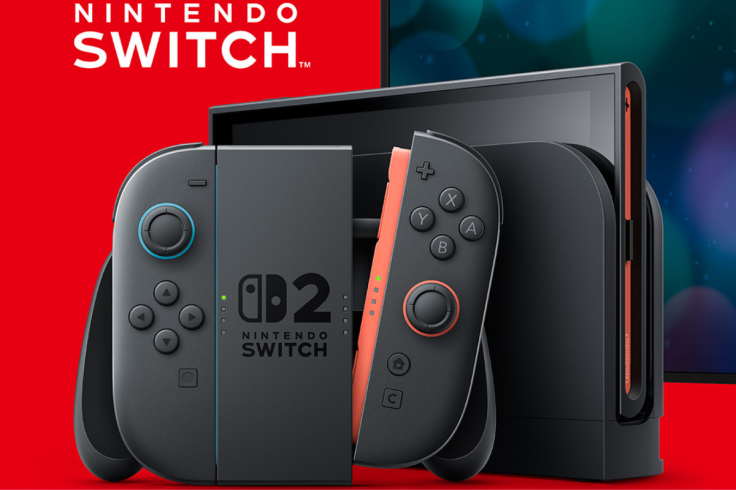
Ubisoft has shared an update on its recent measures to improve Nintendo Switch 2 VRR support. ViewSonic defines Variable Refresh Rate (VRR) technology as reducing screen stuttering and screen tearing, rendering gameplay seamless every time.
Nintendo and Ubisoft are collaborating to integrate VRR into Anvil, Ubisoft's in-house engine. These efforts can potentially mitigate the need for repeated efforts in individual games, and will render future titles smoother gameplay and appearance.
The VRR breakthrough was announced in Ubisoft's Assassin's Creed Shadows – Deep Dive Into the Nintendo Switch 2 System Port pre-release blog post, citing technical challenges the developers have had to tackle, particularly in Assassin's Creed Shadows, including maintaining a 30 FPS framerate target.
Lo más comentado del día en la web: Ubisoft y Nintendo están trabajando juntas para mejorar la compatibilidad con VRR en Switch 2 - https://t.co/MZ42MNEKrM pic.twitter.com/FxysRsxlvN
— Nintenderos (@Nintenderos) December 24, 2025
According to a Ubisoft Project Lead Programmer, 'We use a configuration system to adapt each parameter of the games and monitor both quality and performance. That way, we can tune each parameter precisely and find the perfect balance we are looking for.'
The lead programmer also said, 'One of the greatest strengths of Anvil, our game engine, is its high scalability, which allows us to adjust graphics and simulation settings without compromising the experience.'
FRVR shared that Ubisoft has confirmed their in-house engine now supports VRR for future titles, and that they are continuing to work with Nintendo to improve VRR support.
Nintendo Switch 2's Improved Performance
Nintendo Switch 2's launch in 2025 has sparked interest due to its expanded performance capabilities, among other notable features. Its 120 Hz screen and DLSS support have built enthusiasm among gamers worldwide, signalling a major improvement over its previous version.
Since its release, the gaming community has discussed confusion about Switch 2's VRR support in both handheld and docked modes, with Nintendo even clarifying the issue, stating that VRR is supported exclusively in handheld mode.
The complete statement, which NintendoLife shared, read, 'Nintendo Switch 2 supports VRR in handheld mode only. The incorrect information was initially published on the Nintendo Switch 2 website, and we apologise for the error.' This meant that VRR was not supported when connected to a TV via the Switch 2's dock.
The 'stutter' was evident in quite a few games, and Reddit users confirmed this with several reports. A user named 'mdt56' posted in the subreddit r/Switch describing 'random' stutters in games such as Mario Kart World and Cars 3. Several other Redditors were quick to share their experiences with stuttering, lagging, and noticeable frame-rate drops as well.
Mitigating the Stutter Issue
The frustrations among gamers became evident and have since prompted Ubisoft and Nintendo to implement technical upgrades, improving gameplay on the Switch 2.
It seemed Switch 2's 120 Hz screen and DLSS were not enough to set it apart from its predecessor - the Variable Refresh Rate needed an update. Ubisoft and Nintendo continue to collaborate and expand VRR support to promote smoother gameplay.
In Altchar's report, Ubisoft applied the same measure to both games, Assassin's Creed: Shadows and Star Wars: Outlaws, to facilitate VRR. Altchar reports that Ubisoft's mitigation efforts resulted in smoother gameplay by enabling the hardware to send 60Hz data to its display.
In the end, Ubisoft and Nintendo's initiative to address concerns about frame rate and gameplay in general highlights the importance they place on the gaming community's feedback and, ultimately, the gaming experience.
© Copyright IBTimes 2026. All rights reserved.
- MOST POPULAR IN Technology