

Patients Face Delays as Junior Doctors Announce Longest Strike This Year
Junior doctors will strike for six consecutive days from 17-22 December
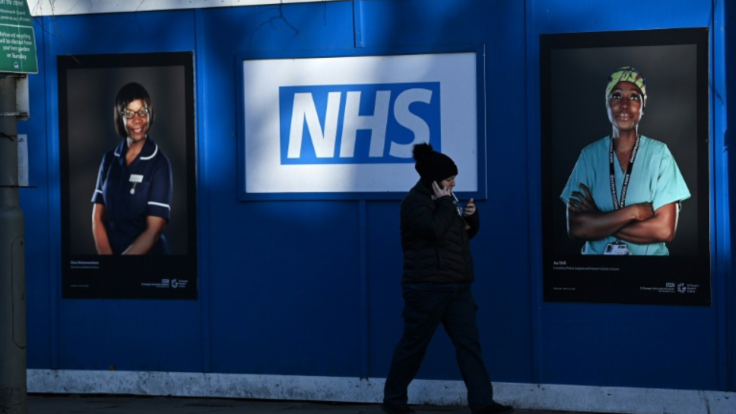
The National Health Service (NHS) is preparing for significant disruption as resident doctors have confirmed they will go on strike just days before Christmas. The industrial action is scheduled to begin at 7:00 am on Wednesday, 17 December, and will last until 7:00 am on Monday, 22 December.
This walkout comes at a critical time for the health service, which is currently battling a severe flu epidemic alongside the usual winter pressures. To safeguard patients, the NHS is relying on strategies previously used during industrial action.
Christmas Disruption Planned
Government officials have expressed deep disappointment regarding the timing of this strike. The British Medical Association (BMA), which represents the doctors, is pushing ahead with the action after talks with the government broke down. The Department of Health and Social Care (DHSC) has stated that the strike appears aimed to cause 'maximum disruption' during the festive period. This is particularly worrying because the NHS is already under strain from a high number of flu cases.
This will be the third period of strikes by resident doctors in 2025, following walkouts in July and November. The Health and Social Care Secretary had asked the BMA to delay any strikes until January to protect patient safety during the holidays, but this request was refused. The government argues that they are turning the NHS around, citing that waiting lists have dropped by over 226,000 since July 2024. However, they warn that this progress is now at risk due to the upcoming walkouts.
The Rejected Proposal
The confirmation of the strike follows the rejection of a new government offer. On 8 December, a written offer was sent to the BMA's Resident Doctors Committee. This offer included a major change that would have prioritised UK medical graduates for jobs. The government proposed introducing emergency legislation to put UK graduates first when applying for training places. They claimed this would have halved the 'competition ratios', making it much easier for local doctors to find work.
In addition to job prioritisation, the offer included creating 4,000 new training places, with 1,000 of those brought forward for this year's applicants. It also promised to cover exam fees for resident doctors and backdate these payments to April 2025. Another part of the deal was to increase the allowance for doctors working less than full-time by 50 per cent, raising it to £1,500. This measure was designed to support parents and carers and help reduce the gender pay gap in medicine. However, the BMA rejected this package on 15 December after a short survey of its members.
Pay And Workforce Dispute
Money remains a central issue in the dispute. The government states that resident doctors have received an average pay rise of 28.9 per cent over the last three years. They argue that they cannot offer any more money this year. According to government figures, a first-year doctor can expect to earn around £49,000 when overtime and unsocial hours are included. For the most experienced resident doctors, this figure rises to roughly £97,000.
Despite these figures, there is frustration among doctors regarding career progression. While there are record numbers of doctors in the NHS—7,000 more than last year—there is high competition for specialty training spots. The government claims their rejected offer would have helped solve this by cutting red tape and quadrupling training places in the long term. Ministers have stated that the offer is now 'off the table' following the BMA's rejection, and their focus has shifted entirely to managing the strike.
Patient Safety Measures
The government has criticised the BMA's decision to strike as 'irresponsible' given the current health crisis. To keep patients safe, the NHS is using measures that have been tested during previous strikes. In November, the health service managed to maintain 95 per cent of planned care during walkouts, which was an improvement from the 93 per cent maintained in July. Critical services, such as maternity care and urgent cancer treatments, will be prioritised.
Patients are being advised to attend their appointments unless they are contacted to rearrange them. If an appointment needs to be cancelled, the NHS has promised to reschedule it as a priority. For urgent but not life-threatening medical issues, the public is urged to use the NHS 111 online service or the NHS App. The 999 emergency service should only be used for serious or life-threatening emergencies. The government insists that while they want to resolve the dispute, their main priority now is getting the health service through the 'double disruption' of the flu epidemic and the strikes.
© Copyright IBTimes 2026. All rights reserved.