

Conversion Therapy Still Legal in the UK — Seven Years After Promises to Ban It, Why Has Nothing Changed?
Equalities Minister Olivia Bailey stated firmly: 'Conversion practices are abuse, they cause long-lasting harm...'
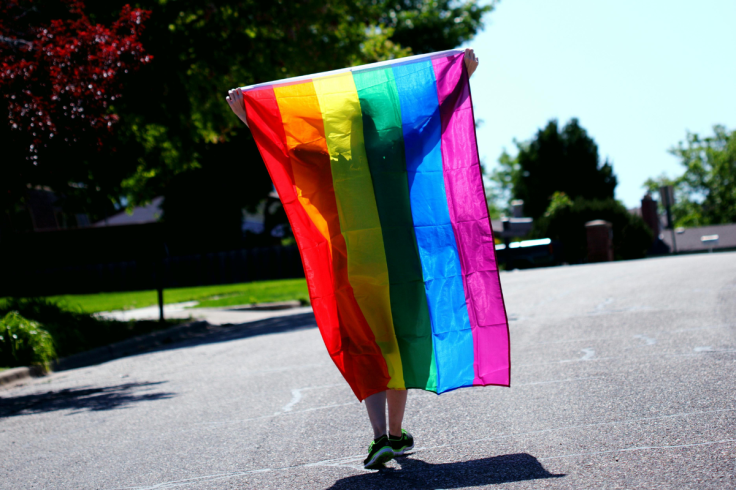
As of 15 December 2025, conversion therapy remains legal in the UK, seven years after the first government pledge to ban the abusive practice. The pseudoscientific attempts to change or suppress a person's sexual orientation or gender identity continue unchecked, despite repeated commitments from successive administrations.
Campaigners highlight that every delay exposes vulnerable LGBTQ+ people to profound harm, including depression and suicidal thoughts. Government research indicates 7% of LGBT individuals have faced such practices. The latest parliamentary debate underscores the urgency, yet legislation is still pending.
A History of Pledges and Delays
The saga began in 2018 when then-Prime Minister Theresa May announced plans to end conversion therapy as part of a broader LGBT action plan. This followed exposés revealing the practice's prevalence in religious and therapeutic settings.
Subsequent governments echoed the sentiment. Boris Johnson's administration initially proposed a ban but excluded trans people, sparking backlash before a U-turn. In 2021, detailed plans emerged, but included a controversial consent clause allowing adults to opt in. By 2023, reports suggested loopholes so large they would render any law ineffective.
Labour, upon taking power in 2024, promised a comprehensive, trans-inclusive ban in their manifesto. The King's Speech in 2025 reiterated this as a legislative priority, but as the year draws to a close, the draft bill has yet to appear. Hardly a surprise, given the history, but frustrating nonetheless for those affected.
The Challenges Hindering Progress
At the heart of the delays lies the issue's divisiveness. Opponents, including some religious groups, argue that a broad ban could criminalise innocent conversations, prayers, or parental guidance. The Christian Institute describes 'conversion therapy' as an umbrella term covering everything from abusive quackery to legitimate pastoral care.
Freedom of expression and ethics add layers of complexity. The government must balance protections with avoiding unintended consequences for teachers, carers, and mental health professionals. Evidence of harm is clear: survivors like Simon Burrows recount feeling trapped, leading to daily suicidal thoughts.
Meanwhile, groups opposing the ban have ramped up efforts, spending £2 million ($2.7 million) on lobbying since 2018. Interactions with faith remain a stumbling block, with divisions even among Christian organisations. The Evangelical Alliance supports loving all but maintains biblical views on sexuality. Other countries, such as Iceland and Belgium, have successfully implemented bans without reported issues.
Current Commitments and Campaigner Responses
In the Commons on 10 December 2025, Equalities Minister Olivia Bailey stated firmly: 'Conversion practices are abuse, they cause long-lasting harm, and they have no place in our society.' She pledged to bring forward a comprehensive, trans-inclusive ban as soon as possible.
Opposition figures pressed for a timeline, noting low trust among LGBTQ+ communities. Manuela Perteghella warned that every month of delay leaves people exposed. Campaign groups welcomed the rhetoric but demanded action. As Stonewall posted on X, the government needs to publish an inclusive bill to ban conversion therapy in all forms. Saba Ali, from the Ban Conversion Practices Coalition, added: 'After seven years of unmet commitments, the LGBTQ+ community needs to see action being taken.'
With the draft bill expected before next spring, advocates hope this parliament will finally deliver on the promise. However, until legislation passes, conversion therapy continues legally, prompting ongoing campaigns for urgent action to secure the long-awaited conversion therapy ban.
© Copyright IBTimes 2026. All rights reserved.