

Pope Leo XIV's Lung Cancer Diagnosis Comes After Both His Parents Died of Cancer
The Vatican confirmed lung adenocarcinoma after surgery, with further tests pending and the pope's November travel plans uncertain
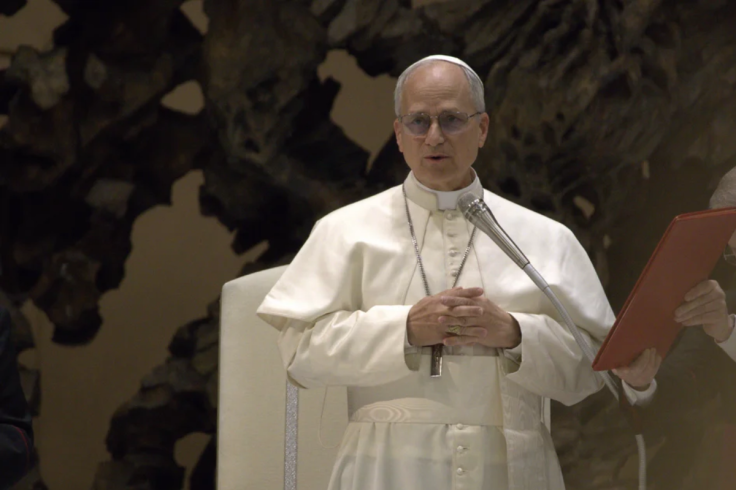
Pope Leo XIV's lung cancer diagnosis has drawn attention to his family's history of the disease. Both of his parents died of cancer, and his eldest brother, Louis Prevost, is also receiving treatment.
The 71-year-old pontiff's diagnosis was confirmed during surgery at Rome's Gemelli Hospital on Tuesday, 13 October. Doctors removed the lower lobe of his right lung during an approximately 90-minute operation, with tissue examined during the procedure confirming pulmonary adenocarcinoma.
Cancer Has Affected the Prevost Family
The pope's mother, Mildred, died of cancer in 1990. His father, Louis, died of colon cancer and heart disease in 1997, according to published accounts of the family's history.
His eldest brother, Louis Prevost, who lives in Florida, has multiple myeloma, a cancer affecting plasma cells. His wife, Deborah, told CBS News that the disease had recently returned after years in remission.
Pope Leo calls on us to take to heart the riches of ‘Amoris laetitia’
— Vatican News (@VaticanNews) October 14, 2026
In a homily read by Cardinal Luis Antonio Tagle, Pope Leo XIV called on the Church to put the Apostolic Exhortation's pastoral guidance into practice in the heart of families.
The homily was delivered at the… pic.twitter.com/XCa1Gsl97l
An earlier interview, published in 2025 by Fresh Take Florida and carried by Orlando Weekly, described how treatment through a clinical trial had made his cancer almost 'undetectable'.
The medical updates released so far have not linked the pope's diagnosis to his relatives' illnesses. No genetic or hereditary explanation has been made public.
What Doctors Found During Surgery
Pope Leo XIV announced on 11 October that doctors had discovered a small, localised lung nodule during a recent medical examination. During his Sunday Angelus address, he said they had recommended surgery to remove it.
The Vatican subsequently confirmed that examination of tissue during the operation established a diagnosis of lung adenocarcinoma, as doctors had suspected from tests conducted beforehand.
Dr Luigi Carbone and Professor Stefano Margaritora said the lower lobe of the pope's right lung was removed using a video-assisted technique. The operation was successful and there were no complications, according to their statement.
The pontiff spent approximately three hours in the operating theatre, although the surgery itself lasted about 90 minutes. He awoke normally and returned to his hospital room after a period of observation.
Further examinations of the removed tissue were planned. The Vatican had not announced a cancer stage or long-term prognosis.
Dear friends in Christ,
— Fr. James A (Faith-Chat Platform) (@frjamesa) October 14, 2026
The news of Pope Leo XIV's lung cancer diagnosis has weighed heavily on the hearts of Catholics and Christians everywhere. It is sobering. It is painful. But it is not the end of the story.
We are not a people without hope – we are Easter people. The… pic.twitter.com/5z0dQNNkYa
Pope Thanks Faithful as Recovery Continues
The Holy See Press Office said Pope Leo XIV had a calm first night after the operation. Subsequent updates described his recovery as 'proceeding as expected' and said he had walked around his hospital quarters and eaten breakfast and lunch.
On Wednesday, a message from the pope thanked Catholics attending a symposium marking ten years since Amoris laetitia, Pope Francis's document on the Church's work with couples and families.
'As you know, I have been unable to be among you during these days,' he wrote.
'I thank you warmly for your prayers and for the work you have done together,' he added. 'I ask you please to pray for me, as I pray for you.'
Why Doctors Investigated the Lung Nodule
A lung nodule does not automatically indicate cancer. Before the operation, Dr Dionysis Papadatos-Pastos, a lung cancer specialist at The London Clinic, stressed the importance of investigating such findings.
'The worst thing you can do is ignore a lung nodule,' he told the Associated Press.
Dr Stephen Liu, a lung cancer expert at Georgetown University, separately explained that benign and cancerous nodules can look similar on scans. He said surgical removal can provide a definitive diagnosis when doctors have sufficient concern and the procedure is considered safe.
Dr Liu also said a needle biopsy can be difficult and may not provide enough information. Those comments concerned the assessment of lung nodules generally, rather than findings from the pope's treatment.
November Latin America Tour Remains Uncertain
Pope Leo XIV's public appearances have been cancelled through 20 October. His first Latin America tour as pope remains scheduled for 6–17 November, with stops in Uruguay, Argentina and Peru.
Before the operation, the pontiff said he still intended to make the journey. It remains unclear whether his recovery will affect the itinerary.
The visit would take him back to Peru, where he spent decades as a missionary and later served as bishop of Chiclayo. For now, the Vatican has maintained its previously announced expectation of approximately a week in hospital while doctors continue postoperative assessments.
© Copyright IBTimes 2026. All rights reserved.