

Prince Harry Is a 'Fundamentally Really Decent Man', Former Met Police Counter-Chief Reveals
Neil Basu, ex-Metropolitan Police official, questions changes in Prince Harry's security threat assessment
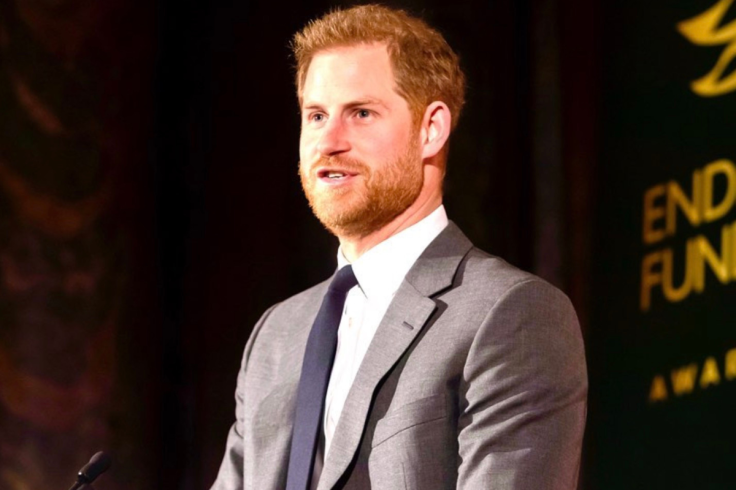
Prince Harry is a 'fundamentally really decent man' who is trying to do the right thing by his wife and two children, according to Neil Basu, the former Metropolitan Police assistant commissioner for specialist operations and national lead for counter-terrorism policing.
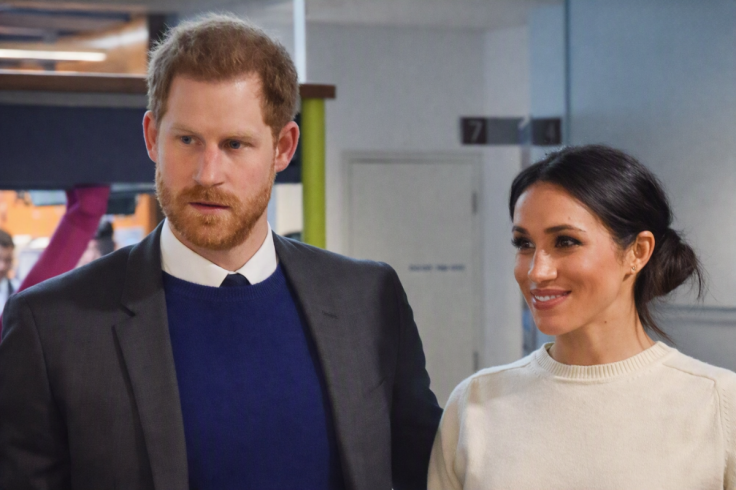
His comments have added to renewed debate over the security arrangements for Harry and Meghan, Duchess of Sussex, after the couple returned to the UK without state-funded police protection.
It was reported that their protection had not been increased during their visit and that they had been given the contact details of a police liaison officer instead.
Security Concerns Follow UK Return
Harry and Meghan landed at Birmingham Airport on Wednesday, August 26, before travelling to a private residence in the Cotswolds, where they are reportedly settling. Their exact location has not been publicly confirmed.
The couple's children, Prince Archie and Princess Lilibet, are expected to start school in the UK in September. The family was met at the airport by a private security convoy, reportedly including a van and two blacked-out cars, rather than a visible police protection team.
A former Metropolitan Police protection officer, Scott Hamer, who once guarded King Charles when he was Prince of Wales, strongly criticised the arrangement in comments to reports.
'I have been involved in protection for 25 years; I find it absolutely incredible,' Hamer said, arguing that providing the couple with the contact details of a police liaison officer did not amount to physical protection.
Basu, who retired in November 2022, has also questioned why Harry's threat assessment appeared to have changed.
'In 2019, Prince Harry was one of very few people we thought needed the full package. In 2026, he doesn't. I have never been able to see how his threat risk has reduced,' he said, according to reports.
Basu warned that Harry and Meghan would be less safe without armed police close protection, pointing to the difference between private security personnel and state-trained officers.
Basu Recalls Threats Against Couple
Basu previously oversaw police units involved in investigations into alleged threats against Harry and Meghan from extreme-right and Islamist extremist sources.
He referred to threats connected with Harry's marriage to a mixed-race woman, including instances in which the duke was branded a 'race traitor.'
Basu also rejected claims that people could confidently judge Harry's character without having met him.
'I know him well,' he said, recalling how the duke helped open a conference on post-traumatic stress disorder and mental health in policing. 'He was brilliant with my people that day.'
His description of Harry as a 'fundamentally really decent man' offers a personal assessment from a former senior counter-terrorism officer who had direct contact with the duke while in public service.
What RAVEC Decided
The couple's security arrangements are linked to the Executive Committee for the Protection of Royalty and Public Figures, known as RAVEC.
The current arrangement provides Harry and Meghan with a police liaison contact rather than physical state-funded protection. Harry is fifth in line to the throne, while Archie and Lilibet are sixth and seventh.
The Home Office has said the UK's protective security system is 'rigorous and proportionate,' but does not comment on specific arrangements because doing so could compromise safety.
Harry's legal team has previously criticised the process as a 'facade,' arguing that following the established procedures had made no difference to the outcome. Reports said RAVEC received less than the customary 28 days' notice of the family's full relocation plans.
According to reports, King Charles was informed of the move on Sunday, August 16, while public reporting emerged on August 19. Harry and Meghan arrived in the UK a week later.
Basu has offered his own characterisation of how decisions on protection move through the government, referring to the independent chair, the home secretary, the prime minister and 'the head of state.'
The formal framework is more specific, RAVEC's independent chair has decision-making responsibility, while the home secretary remains accountable for national security and is consulted on the government's risk appetite.
It remains unresolved whether the family's risk assessment will be reviewed or whether state-funded armed protection will be restored. For now, Basu's view is clear, he considers Harry a decent man trying to protect his family, while seeing no obvious reason why the threat against him should have diminished.
© Copyright IBTimes 2026. All rights reserved.