

Prince William Says He Is 'Not Calm' After Prince Andrew Arrest, Admits Strain as Royal Scandal Tests Future of the Monarchy
Prince William's first public appearance since Prince Andrew's arrest reveals the emotional toll on the royal family.
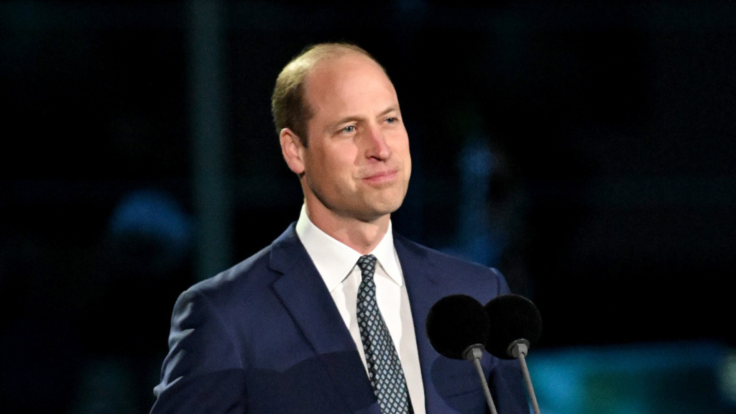
As the arrest of Prince Andrew sends shockwaves through the royal household, Prince William has made his first public appearance since the scandal erupted. He did not shy away from admitting the strain it has placed on both him personally and the institution he is destined to lead.
The moment, brief but striking, offered a rare glimpse into the emotional weight being carried behind palace walls, while reinforcing how closely the public is watching the monarchy during one of its most testing periods in recent years.
A High-Profile Return to the Spotlight
Prince William and Catherine, Princess of Wales, attended the 2026 British Academy Film Awards at London's Royal Festival Hall, an engagement that was already significant given William's role as President of BAFTA.
The appearance came just days after Prince Andrew's arrest on suspicion of misconduct in public office. The arrest took place on 19 February, coinciding with Andrew's 66th birthday, and prompted immediate national and international media coverage.
Against that backdrop, the Prince and Princess of Wales stepped onto the red carpet in front of cameras from around the world. Their attendance signalled continuity, a clear message that official duties would continue despite the turmoil surrounding the family.
'Not in a Calm State'
While speaking with attendees, Prince William was asked whether he had watched the historical drama Hamnet, which went on to win the BAFTA for Outstanding British Film. His response was unexpectedly candid.
'I need to be in quite a calm state, and I am not at the moment,' he said, adding that he intended to watch it at a later time.
It was a short answer, but it carried weight. Senior members of the Royal Family rarely comment directly on personal stress, particularly in the midst of controversy. William's admission stood out precisely because it was so understated.
There was no elaboration, no dramatic language — simply an acknowledgement that recent events have taken their toll.
Carrying On With Royal Duties
Despite the obvious tension surrounding the event, the Prince of Wales fulfilled his responsibilities as BAFTA president, presenting one of the evening's most prestigious honours, the BAFTA Fellowship.
The Princess of Wales also engaged warmly with guests. She shared that she had watched Hamnet the previous evening and found it deeply moving. Her comments were light and conversational, offering balance to her husband's more sombre remark.
Together, they maintained composure and professionalism, reflecting the expectation that senior royals continue public service even in moments of private difficulty.
A Monarchy Under Scrutiny
Prince Andrew's arrest has intensified scrutiny on the Royal Family. Police searches at Royal Lodge in Windsor continued in the days following his detention, ensuring that media attention remained firmly fixed on developments.
For Prince William, who is first in line to the throne after King Charles III, the situation presents both a personal and constitutional challenge. His words at the BAFTAs did not address the legal case itself, nor would protocol expect him to, but they did confirm that the impact is being felt at the highest levels of the family.
In modern Britain, public trust in the monarchy is closely tied to transparency, accountability, and stability. Moments like this matter because they shape how the institution is perceived during a crisis.
A Brief But Telling Moment
There were no grand statements and no official speeches about the scandal. Instead, what resonated most was a simple admission from a future king: he is not entirely at ease.
That honesty — measured, controlled, and factual- made the moment feel human. Behind the ceremonial roles and formal titles are individuals navigating an extraordinary situation under intense public scrutiny.
As the investigation concerning Prince Andrew continues, Prince William's first appearance since the arrest will likely be remembered less for glamour and more for its quiet acknowledgement of strain. A reminder that even centuries-old institutions are not immune to the pressures of the present day.
© Copyright IBTimes 2026. All rights reserved.