

Poundland And 15 Other Big Names Close Stores In 2025 — Is This The End Of Retail As We Know It?
High street closures in 2025 raise urgent questions about the future of UK retail

The UK high streets have been through a turbulent year, with a series of high-profile brands announcing mass store closures amid tightening consumer spending, inflationary pressures, and changing shopping patterns.
Poundland and at least 15 other large players have reduced their physical presence or withdrawn completely from specific markets, highlighting a broader reorganisation of the British retail market.
Poundland Retrenchment of Stores
Poundland, once a staple discount chain, is among the top street stores that have faced critical retail headwinds in 2025.
The Walsall-headquartered store was recently purchased by investment firm Gordon Brothers for just £1 and has since initiated a massive turnaround strategy that has seen hundreds of shops close or be listed as targets.
The reorganisation has already involved closing over 100 stores and intends to reduce the company's store count to between 650 and 700 by the beginning of 2026, by selling off around 800 stores.
Other High Street Casualties
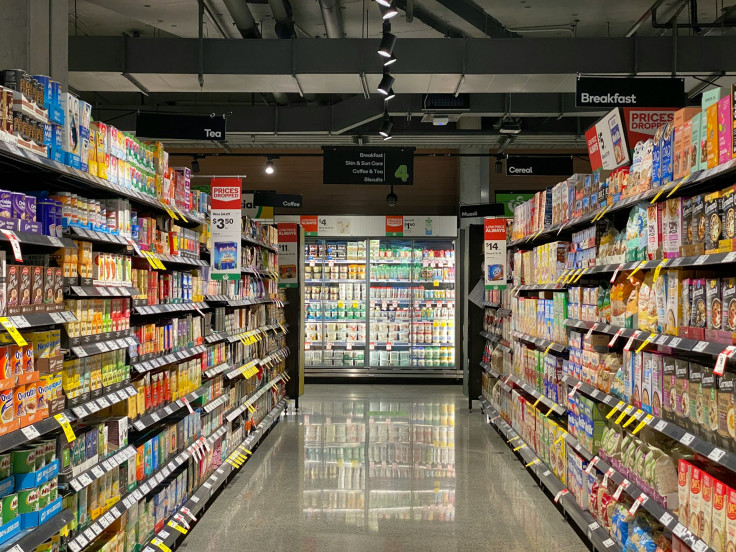
15 other big names have declared wind-up plans in 2025, many of which are longstanding components of the British shopping streets:
WH Smith: The old-school high street retailer, founded in 1792, known to sell from crime fiction to confectionery, sold off its UK outlets to Modella Capital, and during the rebrand, 20 of its stores were closed. It will remain focused on travel-oriented outlets.
Claire: The UK arm of the fashion accessories chain Claire was placed into administration, and 145 stores were closed, threatening 1,000 jobs.
Pizza Hut: It has closed down some 68 restaurants and 11 delivery units in the UK due to the franchisee's administration, and 1,210 jobs are at risk.
Bodycare: The high-street beauty and toiletries retailer was wiped out of the high street when it shut down all of its 150 or so stores amid the financial crisis.
Quiz Clothing: Since its administration in February, the fashion brand has closed 23 stores, affecting around 200 employees.
Leon: The casual-fast-food chain restaurant announced that it would shut down approximately 20 restaurants as part of a severe reorganisation, focusing on locations that are not performing well.
Select Fashion: The womenswear chain was completely closed in 2025, after failing to make a sale, closing approximately 80 locations.
Homebase: The DIY and home-improvement company shut down 65 stores between January and March following its entry into administration at the end of 2024; the new owners could not retain all stores in operation.
New Look: The apparel retailer shut 15 stores in the UK and left the Republic of Ireland, closing 26 stores in Ireland and affecting 347 workers.
Starbucks: In a UK restructuring of its cafe network, Starbucks once again confirmed it was shutting down at least 10 stores in October.
Fired Earth: The fancy tile retailer entered administration in October, which led to the closure of its 20 UK showrooms and 133 redundancies.
Brewdog Bars: Scottish Brewdog and bar chain Brewdog closed 10 of its bar locations in mid-year as it refocused its hospitality division, including its first bar in Aberdeen.
Monki: H&M youth fashion brand shut down all seven UK Monki stores as part of a strategic repositioning, some of them to be reused under sister brand Weekday.
River Island: The fashion chain on the high street has approved a restructuring plan that will result in the closure of approximately 33 stores to enhance its financial position.
Hobbycraft: The arts and crafts retailer announced it would close nine stores in April, affecting up to 126 workers.
Why So Many Closures?
Retail analysts cite a nexus of forces transforming the UK shopping streets. Ongoing inflation and stagnant wage levels have tightened consumer budgets, resulting in low discretionary spending.
At the same time, a number of retailers have blamed the resolutely high operating expenses, such as business rates and rental, which have diminished the profit margin of physical stores. The current trend of online shopping is continuing to pull away from high street locations, accelerating due to the pandemic and expected to continue through 2025.
Adaptation Or Further Decline?
These shutdowns constitute a radical change to Britain's retail environment, and the absence of traditional stores has been a painful experience for some communities. However, according to industry observers, physical retail is not dead but is transforming.
The surviving brands are turning more towards smaller footprints, experience-based spaces and increased integration with their online presence. Other retailers are also putting their money into local services, click-and-collect, and loyalty programmes to attract shoppers back into the shop.
Whether this leads to a long-term renaissance of the high street remains to be seen; however, in the meantime, 2025 will be remembered as a year when some of Britain's most widely known names were made to consider what it takes to be a high street success.
© Copyright IBTimes 2026. All rights reserved.