

Musk Says Tesla and SpaceX Have Merger Committees, but a Deal Is Far From Certain
Independent directors will examine the proposal as Musk recuses himself from discussions because of his interests in both companies
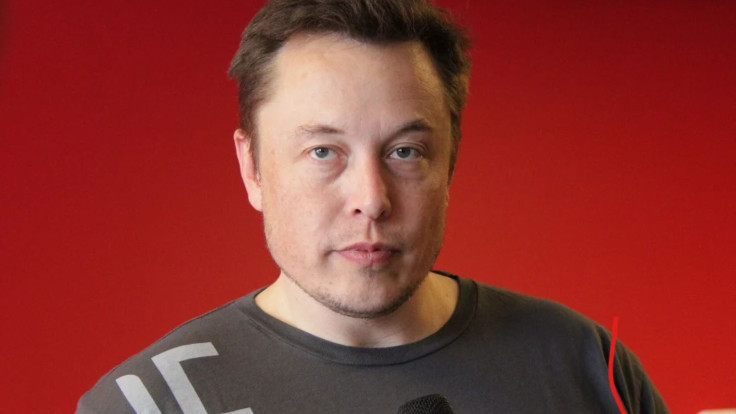
Elon Musk said on Tuesday that Tesla and SpaceX have formed special committees of independent directors to explore a potential merger, but the billionaire repeatedly cautioned no transaction had been done yet.
During SpaceX's third-quarter earnings call, Musk said he supported the potential merger but could not participate in the special committees' discussions because he was a conflicted party.
A merger would unite two corporate giants, with SpaceX reportedly valued at around $2 trillion and Tesla at $1.5 trillion. However, these numbers are not finalised deal prices, and an official merger agreement has not yet been signed.
Navigating the Conflict of Interest
As chief executive officer of both companies and a significant shareholder, Musk has financial interests in each business. He said he was excluded from the exploratory discussions because of the conflict of interest, leaving the independent committees to examine the potential transaction.
Musk commented on the situation, describing it as an odd kabuki dance where two groups of people are talking and he cannot be in the conversation. He also described commenting on the prospective deal as tap dancing through a minefield.
The independent committees are intended to provide oversight of a potential transaction involving a significant conflict of interest. Their formation does not automatically eliminate fiduciary duties or potential legal liability, and the fairness of any eventual deal would depend on its terms and the process followed.
Wall Street Weighs in on the Pros and Cons
Analysts are currently divided on whether a merger would serve the shareholders. The companies' overlapping ambitions in artificial intelligence and chip development could provide a strategic rationale for a merger.
No transaction timeline has been confirmed. Reuters reported that Barclays had suggested a deal could be announced before Tesla's annual meeting in December, but the committees have not agreed on transaction terms.
Any proposed merger would require the companies to determine an appropriate valuation and exchange ratio. The terms would influence how much of the combined business Tesla shareholders would own, making the valuation process central to assessing whether a deal would benefit both shareholder groups.
The proposal could also raise concerns about valuation, profitability and capital allocation. Tesla shareholders would need to assess whether a combined business justified the price of the transaction and whether its investment commitments could affect returns.
A merger may also raise concerns about shareholder dilution and the allocation of capital between the companies' businesses. Investors would need to assess whether the transaction could affect Tesla's ability to fund priorities such as its Cybercab programme and Optimus humanoid robots.
The extent of any impact would depend on the final deal structure and financing arrangements.
The Stiff Hurdle of Shareholder Approval
Despite the strategic arguments, the path to a formalised transaction faces complex administrative and legal challenges. Musk has pointed out that the special committees have no guarantee of finding mutually agreeable terms.
Even if the independent committees agree on terms, securing shareholder approval remains a major obstacle. Musk noted that Tesla requires a vote from the majority of all outstanding shares, not just a simple majority of those present at the meeting.
This strict requirement should not be confused with a 'majority of the minority' vote, which typically protects unaffiliated shareholders from a controlling investor.
Without this necessary shareholder backing, the merger cannot go through on these terms, leaving the ultimate outcome dependent on legal thresholds, final agreements, and closing conditions.
© Copyright IBTimes 2026. All rights reserved.