Trump Faces Lawsuit After Attempts to Keep Presidential Records From Public Access
Legal clash raises fears over who controls the memory of a presidency
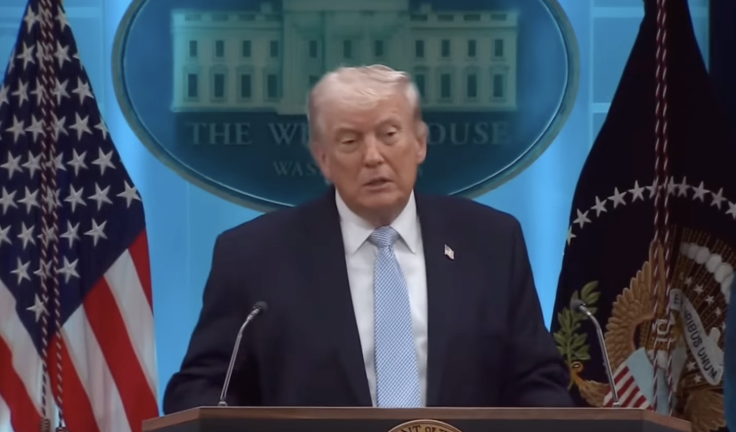
US President Donald Trump is facing a new legal challenge that goes straight to the core of government transparency and public trust. American Oversight and the American Historical Association, a coalition of watchdog groups and historians, have filed a lawsuit accusing him of trying to block access to official White House records.
The case has drawn concern well beyond legal circles. It raises a more fundamental question about who owns the historical record of a presidency and whether those in power can decide what the public is allowed to see.
At stake is more than paperwork. For historians, it is about protecting the integrity of the record. For the public, it is about having access to the decisions that shaped the nation.
Lawsuit Targets Alleged Effort to Bypass Records Law
The lawsuit, filed by American Oversight and the American Historical Association, claims Trump tried to sidestep legal duties under the Presidential Records Act. The dispute followed a move by the US Justice Department, which described the policy as 'unconstitutional.'
The law requires official presidential documents to be preserved and eventually made available to the public. According to Reuters, the groups filed the case in federal court in Washington, arguing that the almost half a century old Presidential Records Act remains lawful.
The complaint also sets out the groups' request to stop federal agencies from relying on a legal memorandum issued by Assistant Attorney General T. Elliot Gaiser of the Justice Department's Office of Legal Counsel, which declared the measure illegal.
The groups argue Trump's actions risk limiting or even erasing access to key materials that document decisions made during his time in office. They warn that such moves could leave gaps in the historical record that may never be filled.
The plaintiffs are asking the court to block any attempt to withhold or control these records outside the law.
Watchdog Groups Warn of a Dangerous Precedent
American Oversight and the American Historical Association have framed the case as a fight for the nation's memory. In a joint statement, they made clear the issue goes far beyond a single presidency.
They said the lawsuit comes just days after the Department of Justice pushed a broad effort to block access to hundreds of millions of documents, including more than 700 million White House emails from current and past administrations. They argued the move relies on 'virtually judicial authority and defies binding Supreme Court precedent outright,' calling it a drastic attempt to undo a law that has governed presidential records for almost 50 years.
They added the case is about preserving records that document US history and whether the American people can access and learn from them. They also stressed that the stakes are even higher, noting the Executive Branch has claimed the power to override the legal determinations of the Supreme Court in order to bypass laws passed by Congress to preserve and provide public access to official presidential records.
Their warning is clear. If that kind of authority is allowed and accepted, future presidents could control or even erase parts of their own legacy.
Justice Department Memo Adds Legal Tension
The dispute comes amid a wider debate within the US government about how the Presidential Records Act should be enforced. As reported by CBS News, a Justice Department memo has been cited in the legal arguments, suggesting a more flexible reading of the law in certain cases.
That has added a layer of uncertainty. Critics say any room for interpretation could lead to selective disclosure, where only favourable records are made public.
Supporters of stricter enforcement say the law was designed to prevent exactly that. They insist presidential records belong to the public, not to the person who held office.
What the Presidential Records Act Requires
In the aftermath of the Watergate controversy, the Presidential Records Act was passed in 1978. Its purpose was to ensure official documents created during a presidency belong to the US government and are preserved, then transferred to the National Archives and Records Administration after a leader leaves office.
Before the law, presidents often treated such materials as personal property. The act changed that, making it clear these records form part of the public record.
It also sets timelines for when documents can be released, balancing transparency with national security concerns. Critics warn that attempts to reinterpret or weaken those rules risk undermining the law's original intent.
A Battle Over History and Power
For historians, even small gaps can distort the narrative. Missing emails, memos or meeting notes can change how events are understood.
For the public, the issue is accountability. Without access to records, it becomes far harder to question decisions or learn from past mistakes.
As the legal battle unfolds, its outcome could shape how presidential power is defined and understood long after any single administration has ended.
© Copyright IBTimes 2026. All rights reserved.
- Recommended For You