

Trump's Lawyers Cite Presidential Immunity in Bid To Overturn 34 Hush-Money Felony Convictions
His legal team says evidence from his presidency was improperly used
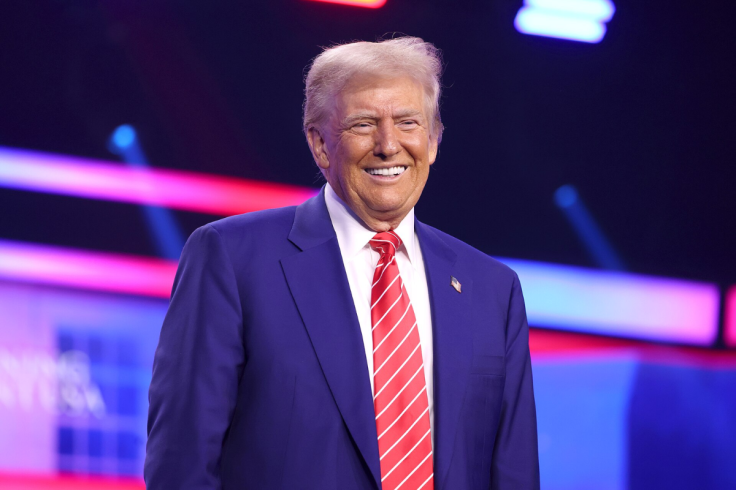
Donald Trump's lawyers have asked a New York appeals court to overturn his 34 felony convictions in the Stormy Daniels hush-money case, arguing that prosecutors improperly introduced evidence protected by presidential immunity.
A five-judge panel heard arguments on 5 November over the historic verdict, questioning both the president's legal team and Manhattan prosecutors. The court did not announce a decision or indicate when it would rule. The convictions therefore remain in place.
Trump was convicted in May 2024 of falsifying business records in the first degree. The charges concerned records used to conceal reimbursements connected to a payment to Daniels before the 2016 presidential election. They were business-records offences, not convictions for an alleged sexual relationship.
Why Presidential Immunity Is Central to the Appeal
Trump's legal team argues that jurors should not have heard certain evidence involving his first presidential term, including White House conversations and public communications about the allegations.
Lawyer Robert Giuffra Jr. has argued that a president's response to allegations of personal misconduct can form part of his official responsibilities. The defence consequently maintains that the trial improperly relied on protected presidential activity.
The argument draws on the Supreme Court's July 2024 immunity ruling. That decision recognised absolute immunity for actions within a president's exclusive constitutional authority and at least presumptive immunity for other official acts. It did not provide immunity for unofficial conduct.
The distinction is important here. The defence's evidentiary challenge does not depend on treating the original pre-election payment as a presidential act. Instead, it questions whether material from Trump's subsequent time in office should have been used to help prove the case.
Verdict Supported by Substantial Evidence
Manhattan District Attorney Alvin Bragg's office disputes the immunity argument. Prosecutors maintain that discussing a private matter with a White House adviser does not automatically turn the conversation into an official presidential act. They also argue that the verdict was supported by substantial evidence unaffected by the immunity dispute.
At the hearing, appellate chief Steven Wu said that even if particular evidence should have been excluded, its admission would amount to 'harmless error' in light of the remaining evidence. That is the prosecution's position, rather than a conclusion the appeals court has announced.
Election Law Provides Another Ground for Challenge
Trump's lawyers also challenged the prosecution's reliance on federal election law within the New York case. Giuffra argued that state prosecutors had improperly built their case around matters governed by federal law.
That issue matters because falsifying business records becomes a felony under the relevant New York statute when accompanied by an intent to commit another crime or aid or conceal one. Prosecutors argued that the records concealed an election-related scheme; Trump's lawyers dispute the legal basis for that approach.
Trump denies wrongdoing and denies Daniels' account of a sexual encounter. He received an unconditional discharge following the verdict, leaving the convictions intact without imprisonment, a fine or probation.
A separate appeal concerning his attempt to move the case into federal court is scheduled for argument on 16 November. Neither that proceeding nor the state appeal has erased the jury's verdict.
© Copyright IBTimes 2026. All rights reserved.