

Trump Administration Illegally Fired Prosecutor in Epstein-Maxwell Cases, Judge Rules
Ruling orders back pay for former Manhattan prosecutor, challenging DOJ's view of presidential removal powers
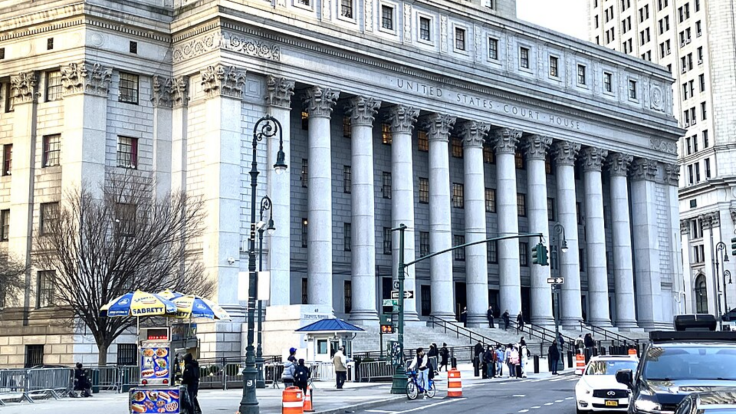
A federal judge has ruled that the Trump administration unlawfully dismissed former federal prosecutor Maurene Comey, finding that the Justice Department breached statutory protections for government employees and placing fresh scrutiny on the limits of presidential authority.
In an opinion issued on Monday, 26 October, US District Judge Jesse M. Furman ordered Comey's retroactive reinstatement for the period following her dismissal on 16 July 2025, with back pay through 20 December that year, when she moved to private-sector employment.
The decision does not establish why Comey was fired. However, it rejects the government's argument that the president's constitutional authority permits the removal of federal prosecutors without regard to applicable legal protections.
Court Rejects Broad Interpretation of Executive Authority
The Justice Department argued that federal prosecutors exercise executive power and therefore can be removed under the president's authority under Article II of the US Constitution. Furman rejected that position, finding that Congress can impose limits on the removal of federal officials and that Comey's dismissal violated applicable statutory protections. The opinion also addressed separation-of-powers and due-process issues.
The ruling centres on the distinction between political appointees and career public servants. Federal employment protections are intended to prevent government jobs from becoming positions that change hands according to political loyalty whenever a new administration takes office.
Comey had worked as an assistant US attorney in the Southern District of New York since 2015. Court records noted that she had received strong performance assessments in the years before her dismissal.
The ruling is specific to her case, rather than a blanket prohibition on presidential authority to dismiss federal employees. Its wider significance lies in the court's rejection of the claim that executive power overrides statutory safeguards in these circumstances.
High-Profile Prosecutions Put Dismissal in Focus
Comey worked on several prominent criminal cases during her decade in the Manhattan prosecutor's office, including the sex-trafficking prosecutions involving Jeffrey Epstein and Ghislaine Maxwell. She also played a role in the prosecution of music executive Sean 'Diddy' Combs. The trial ended with Combs being convicted on prostitution-related charges and acquitted of other charges.
Comey was dismissed shortly after the conclusion of the Combs trial. Her father, James Comey, served as FBI director until President Donald Trump fired him in May 2017, and later became a vocal critic of Trump.
In her lawsuit, Maurene Comey alleged that her family connection or perceived political views may have influenced her dismissal. Furman's ruling did not determine whether either factor motivated the decision. That distinction is important: the court found the termination unlawful, but did not establish that it was retaliation for her family ties or her prosecutorial work.
Justice Department Plans Appeal as Claim Remains Open
The Justice Department said it disagreed with the ruling and would appeal. The decision does not resolve every part of Comey's lawsuit: Furman reserved judgment on her separate claim under the First Amendment, which protects freedom of speech, and ordered further written submissions on whether that claim should be dismissed.
The court's order provides for retroactive reinstatement and back pay for the specified period. The precise financial consequences, including the amount owed, remain subject to further proceedings.
The case adds to legal challenges brought by former government employees dismissed during Trump's second term. Its immediate outcome concerns Comey's employment rights, but the reasoning also tests how far the executive branch can go when removing career officials who are protected by federal law.
The unresolved First Amendment claim and the promised appeal mean the litigation is not yet over. For now, Furman's ruling establishes that the administration's stated basis for Comey's removal did not excuse its failure to comply with the applicable legal protections.
© Copyright IBTimes 2026. All rights reserved.