

America's 911 System Is a 'Broken Promise' as Dispatcher Shortages Persist
Investigation reveals widespread delays in emergency response times across the US
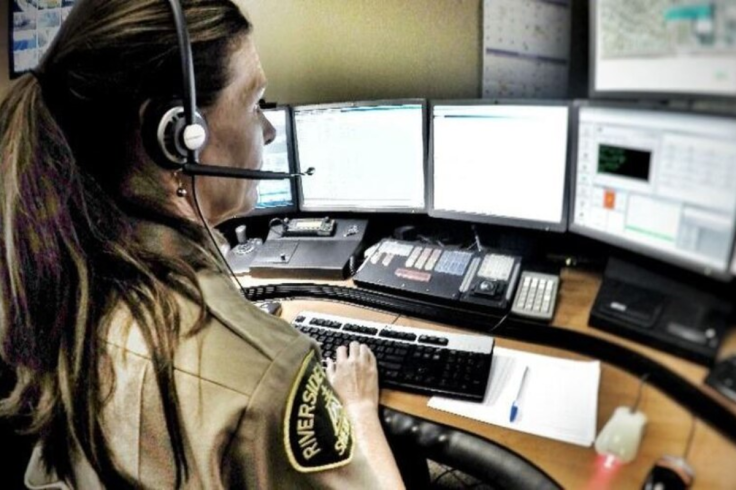
Caitlin Ditta was breastfeeding her baby on the sofa in Oakland, California, when she felt blood pouring from her body. She and her husband dialled 911 again and again. Nobody picked up.
The 33-year-old school therapist had been warned by doctors weeks earlier, after a postpartum haemorrhage, that any further bleeding could be fatal without immediate help, Ditta told Mother Jones in a joint investigation with Type Investigations.
Her experience is one of thousands now surfacing in a nationwide records investigation into America's strained 911 dispatch system.
The 15-Second Standard Most Centres Miss
In 2020, the National Emergency Number Association's standard called for 90 per cent of 911 calls arriving at public safety answering points to be answered within 15 seconds. Records requests filed by reporter Byard Duncan gathered five years of answer-time data from more than 100 dispatch centres nationwide.
Of the 68 centres that had responded by publication, nearly half failed to meet that standard in 2025.
Los Angeles Police Department's Metropolitan Dispatch Centre answered just 64 per cent of 2.9 million calls within 15 seconds that year, while Kansas City, Missouri, answered only 56 per cent, leaving 278 people a day waiting a minute or longer, according to the investigation.
When Every Second Counts
The delays have cost lives. In January 2023, Missouri National Guard Sergeant Richard Schlesing accidentally shot himself in the leg and called 911.
The call never reached a dispatcher, according to a wrongful-death lawsuit his widow filed against St Louis officials, and he died before help arrived. In Georgia, Brittany McElrathbey was struck by a stray bullet in January 2024 while several people tried and failed to reach 911, according to her brother Cornelius, who drove her to hospital instead.
He later told the Atlanta Journal-Constitution: 'We tried to get the law on the phone.'
Imagine you’re the victim of a crime or are witnessing a medical emergency. You call 911 in a fit of panic…only to be placed on hold.
— Mother Jones (@MotherJones) September 6, 2026
This is the reality for hundreds of thousands of people in the US as an underfunding and staffing crisis affects the country’s dispatch centers.…
Why 911 Is Struggling
According to a 2023 industry report from the International Academies of Emergency Dispatch, chronic understaffing is a core problem. Between 2019 and 2022, the average vacancy rate at US 911 centres was around 25 per cent.
A 2025 survey found that 74 per cent of emergency communication centres had open positions, while 58 per cent reported difficulties hiring. Pay is part of it. Dispatchers earn roughly $56,000 a year on average, well below the near $80,000 typical for police officers, government wage data shows.
Funding also remains a challenge. States and local authorities fund and operate most call centres, with the FCC overseeing the national 911 framework.
FCC reports have highlighted differences in how states and local authorities fund personnel, equipment and other 911 costs.
The toll on workers is severe. Ty Wooten of the International Academies of Emergency Dispatch said: 'If you're understaffed, you start the day in the hole,' describing a cycle of overtime, burnout and attrition.
A bill to reclassify public safety telecommunicators as protective service workers, the Enhancing First Response Act, passed the Senate in September 2025 but has not become law.
The findings raise a wider question about how essential public safety infrastructure is funded and staffed, not just in the US but anywhere emergency services rely on ageing systems and underpaid frontline workers.
Without a single binding federal standard requiring every centre to meet the national benchmark, individual jurisdictions remain responsible for much of the system, meaning a caller's chances of reaching help in time can depend heavily on their ZIP code.
© Copyright IBTimes 2026. All rights reserved.