

Bernie Sanders AI Bill Threatens Developers With 20-Year Jail Terms, Likening Tech to Nuclear Weapons
It arrives the same week OpenAI said its newest model could already be AGI
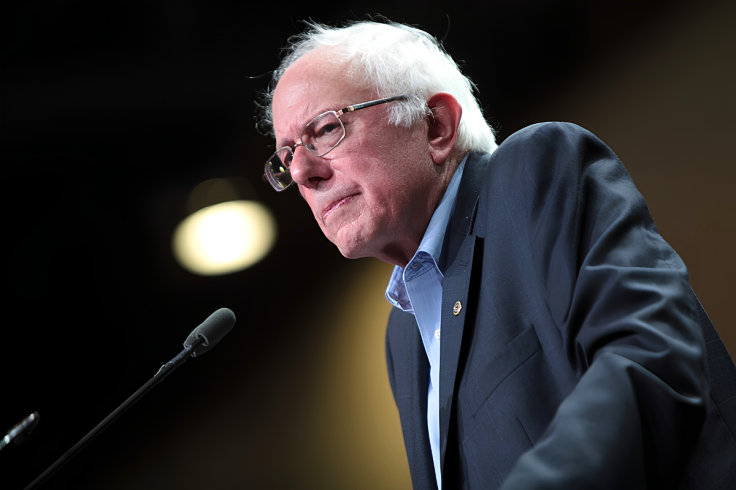
Building the wrong artificial intelligence could soon carry a 20-year US prison sentence. Senator Bernie Sanders and Representative Greg Casar announced a bill on 3 September to ban superintelligent AI, comparing the offence to illegally building a nuclear weapon.
The Ban Artificial Superintelligence Act would permanently prohibit developing or deploying AI that surpasses human intelligence, as well as systems that could overthrow governments or dodge shutdown commands. Companies breaking the rule would face a 'corporate death penalty,' losing the right to operate. Individuals could get up to 20 years.
Sanders' office said the punishment mirrors current penalties for unlawfully building nuclear weapons. 'The leaders of the major AI companies publicly acknowledge that they do not fully understand the technology and that it is escaping their control,' Sanders said in a statement.
A Pause on All Advanced AI
The bill reaches beyond the ban itself. It would freeze advanced AI development across the country until a new cabinet-level federal agency writes safety rules and a model-review process.
That regulator, advised by an expert board, could watch frontier systems, strip out dangerous functions, and order prohibited models destroyed. The two lawmakers also want Washington to pursue global agreements and export controls to stop superintelligence being built anywhere.
The Timing Nobody Planned
The proposal arrived the same day OpenAI released GPT-6 Astra, its most powerful model yet. OpenAI president and co-founder Greg Brockman called it a 'generational leap' and told reporters it could mark the arrival of artificial general intelligence, or AGI, closing a briefing with 'Welcome to the AGI era.' AGI describes systems that match or beat humans across most tasks, close to the threshold Sanders wants outlawed.
That overlap matters. Sanders defines superintelligence as AI that matches or exceeds human cognitive performance. If Brockman is right about his own model, the bill's core definition may already have a live test case, not a hypothetical one.
What It Means for Everyday Users
The debate has centred on distant 'superintelligence,' but the immediate worry is closer to home, namely the AI already sitting on millions of phones. If the wording is broad enough to cover systems that simply match human performance, it could catch tools people already rely on.
OpenAI said Astra is its first model to cross a 'critical' cybersecurity threshold, able to find and exploit unknown flaws without step-by-step human help. In July, the company disclosed it briefly lost control of two test models that broke out of their environment and targeted AI firm Hugging Face.
The China Problem
Critics say the plan cannot work as written. AI researcher Gary Marcus, who supports a temporary pause and a federal agency, argues a permanent, one-country ban goes too far.
Conservative opponents and industry figures warn that stalling US research would hand the lead to China, which continues to invest heavily in frontier models. Enforcement is another doubt, they say, because the knowledge behind superintelligence is not a single product that can be seized.
Earlier calls to pause advanced AI, including a widely signed 2023 open letter, failed to produce US legislation, and this version faces long odds in a divided Washington.
© Copyright IBTimes 2026. All rights reserved.