

RFK Jr Defends Cutting 189,000 Obamacare Subsidies Saying Some 'Don't Even Know' They're Enrolled
Officials say the move could prevent hundreds of millions in improper payments, while critics warn eligible people may miss notices and lose support unfairly
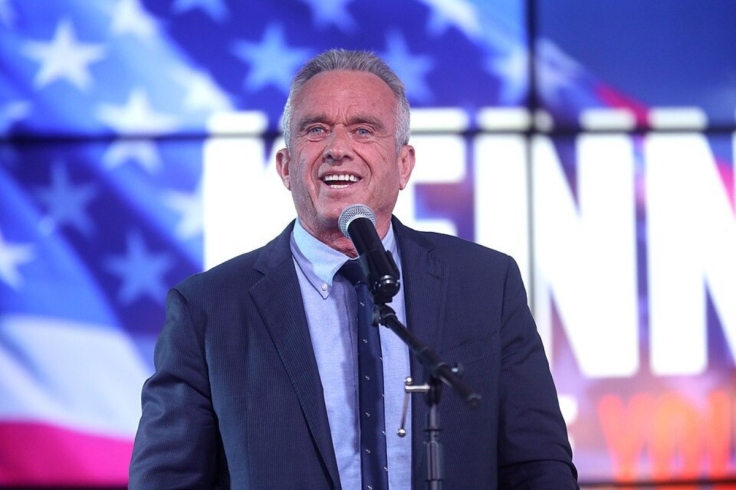
Health Secretary Robert F. Kennedy Jr. has defended halting federal subsidies for about 189,000 Affordable Care Act enrollees, saying many of them do not realise they are covered twice.
The Centers for Medicare & Medicaid Services (CMS) said on Wednesday, 14 October 2026, that the enrollees either also had Medicare, Medicaid or CHIP coverage or were recorded as deceased. The agency estimates the move will prevent about £550 million ($738 million) in improper payments this year.
Kennedy said many of those affected did not know they were enrolled in more than one programme, while critics warned that eligible people could lose help through missed notices.
'They Don't Even Know It'
Kennedy announced that the government would halt subsidy payments for 189,000 people enrolled in plans under the law known as Obamacare. He argued that the people involved were not the ones benefiting. Insurers, managed care organisations and brokers gained financially from double enrolments, he said, adding that enrollees 'don't even know it, in most cases, that they're double-enrolled'.
He also acknowledged the limits of the data. 'A data match does not prove fraud. Records can contain mistakes,' Kennedy said, according to a syndicated report. 'We will follow the evidence, correct mistakes, and pursue fraud whenever we find it,' he added, according to NTD.
Kennedy said ending the subsidies would not remove anyone's existing Medicare, Medicaid or other government coverage. For people recorded as deceased, however, both the subsidy and the marketplace plan end if the record is not successfully disputed. 'Taxpayers shouldn't pay twice for the same coverage,' he said in the CMS announcement.
Federal Trade Commission chairman Andrew Ferguson backed the effort. 'Rich insurance companies and unscrupulous brokers were the only beneficiaries of this,' he said, according to the Daily Signal. Kennedy's and Ferguson's claims about insurers and brokers are allegations about financial incentives, not findings against any company.
Who Is Affected
CMS has not published a full breakdown of the 189,000 in its announcement. Reuters reported that subsidies had been cancelled for about 120,000 people also covered by Medicaid and 58,000 covered by Medicare, and that plans had been ended for about 11,000 people recorded as deceased through July, figures also reported by NTD. About 3,500 more deceased enrollees are expected to be removed by the end of October. The agency has not said how these figures reconcile with the 189,000 total.
Under the process set out by CMS, enrollees flagged as having both marketplace subsidies and Medicaid or CHIP coverage are notified and given 30 days to dispute the finding. If they do not respond, their subsidy ends. Those who can show their Medicaid or CHIP coverage is about to lapse can regain the subsidy, and appeals remain open after the deadline. Where federal records list someone as dead, CMS contacts the person or their estate, who also have 30 days to respond.
'On records showing enrollees had died, CMS acted to remove improper subsidies in all of these cases,' Kennedy said, according to the Daily Signal.
The checks, known as periodic data matching, are required by federal rules at least twice a year. CMS says they were paused under the previous administration during the Covid-19 public health emergency and resumed in 2025, when CMS ended subsidies for about 551,000 people also enrolled in Medicaid or CHIP.
CMS administrator Dr Mehmet Oz said the agency had saved 'nearly £4.5 billion ($6 billion)' so far, a figure that covers more than this latest round of terminations. 'They paused looking for duplicate Medicaid and Obamacare coverage for four years,' he said of the previous administration.
Asked why the checks had stopped, he said: 'We're not sure why [the pause] happened, but there should be questions asked about that going forward.' He said the smaller number of removals this year showed that 'when you check, the system gets cleaner'.
CMS projects annualised savings of more than £1.1 billion ($1.5 billion). The savings are government estimates, not audited figures.
Critics Question the Safeguards
Charles Gaba, the analyst who runs the enrolment-tracking site ACASignups.net, questioned whether affected people would actually receive the notices, whether they would arrive in languages enrollees understand, and how people without reliable internet access could dispute a finding, in an analysis published on Wednesday. He cited Census data that he said showed more than 5.2 million US households had no computer.
He also raised the question of repayment. From 2026, enrollees must repay the full amount of any excess advance subsidy payments when they file their taxes, which he said raises the stakes of any error.
In one illustrative scenario, he estimated that a family could face a bill of about £15,400 ($20,700), although the amount anyone owes would depend on their circumstances and tax reconciliation. He asked whether the relatives of people recorded as deceased could face bills for coverage after a death. CMS has not said that estates or relatives will be billed, and the question remains unresolved.
Gaba, not CMS, suggested that many of those affected were likely to live in states that have not expanded Medicaid, where income limits for the programme are lower. In expansion states, Medicaid covers adults with incomes up to 138 per cent of the federal poverty level, about £33,000 ($44,367) for a family of four under the 2025 poverty guidelines.
The cuts come as the marketplace has already contracted. About 23 million people selected plans during open enrolment for 2026, down from about 24.2 million the year before, after pandemic-era enhanced subsidies expired, Reuters reported in January.
KFF projected that average annual premium payments for subsidised enrollees would rise from about £660 ($888) in 2025 to about £1,420 ($1,904) in 2026.
CMS says anyone who believes they have been wrongly flagged can dispute the finding or appeal the decision.
© Copyright IBTimes 2026. All rights reserved.