

States Are Holding at Least $56B in Unclaimed Money—Here's How to Check If You're Owed Cash
Forgotten wages, dormant accounts, and insurance payments could leave millions of Americans with money to claim
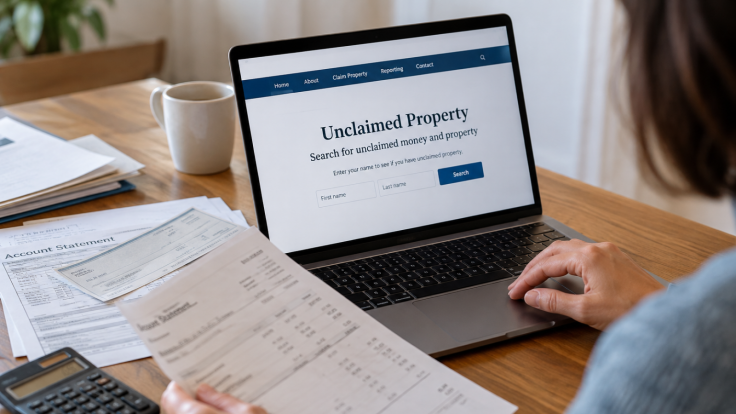
At least $56 billion (£42 billion) in unclaimed property is reported across 29 US state programmes and the District of Columbia, but millions of people may need to search for themselves to find out whether any of it belongs to them.
The figure represents the combined totals published by those 29 programmes. The other 22 state and district programmes do not provide a current total, meaning the national sum could be higher. The reported amounts also come from different dates, so the figure is a minimum rather than a single-date estimate of all unclaimed funds.
Unclaimed property can include dormant bank accounts, uncashed cheques, insurance proceeds, utility deposits, and money owed by businesses or government agencies. It may be held until the owner or a verified heir comes forward.
Search Every State Where You Have Lived or Worked
A move, change of surname, or forgotten account can make it harder to trace money. State databases may hold property linked to an old address, a previous name, or an account that has been inactive for years.
People should search the official unclaimed-property website in every state where they have lived, worked, or conducted business. The National Association of Unclaimed Property Administrators (NAUPA) provides a directory at Unclaimed.org. Searches across most states can also be made through MissingMoney.com, although Hawaii is not included.
A search result is not confirmation that money will be paid. Claimants may need to provide identification, proof of a former address, or documents establishing their connection to the property. Heirs may also be able to claim funds belonging to a deceased relative, subject to state requirements.
Check Federal Records for Wages, Pensions, and Refunds
State searches will not cover every type of money that may be owed. Several federal agencies maintain separate databases for specific categories of unclaimed funds.
Useful official searches include:
- Unpaid wages: The US Department of Labor's Workers Owed Wages database
- Unclaimed pensions: The Pension Benefit Guaranty Corporation's unclaimed pension search
- Veterans' life insurance: The Department of Veterans Affairs' unclaimed funds search
- FHA refunds: The Department of Housing and Urban Development's refund database
- Tax refunds: The Internal Revenue Service's refund information service
- Failed banks and credit unions: The Federal Deposit Insurance Corporation's unclaimed funds search and the National Credit Union Administration's unclaimed deposits information
- Matured savings bonds: The Treasury Department's Treasury Hunt service
- Bankruptcy funds: The US Courts' Unclaimed Funds Locator
These databases cover different types of claims, so a search in one does not replace checking the others. The deadline to claim the 2021 Recovery Rebate Credit has passed; it is not an open route to apply for another stimulus payment.
Free Claims Can Help You Avoid Unnecessary Fees
Searching for and claiming property through an official state programme is free. Private asset finders may offer to handle the process for a fee, but using one is optional. The amount a finder can charge varies by state. Rules identified in the state-by-state review range from a 5 per cent limit in Washington to 30 per cent in Arizona, Florida, and Georgia. Thirteen states do not set a fixed percentage limit, although that does not mean every fee or agreement is automatically lawful.
Some states also return certain funds automatically, often by matching unclaimed-property records with tax information. That does not mean every eligible owner will receive an automatic payment, and people should not rely on it instead of checking.
Use official government websites to verify claims and avoid unsolicited messages demanding payment or bank login details. Anyone who finds a possible match should follow the relevant state's instructions and confirm what evidence is required before submitting a claim.
© Copyright IBTimes 2026. All rights reserved.