

US Spent Nearly $12M Fighting Compensation Claims From Workers Sickened at Nuclear Weapons Site, Even After Some Died
Washington state approved 75% of 102 recent claims, but the Department of Energy appealed all but seven of them
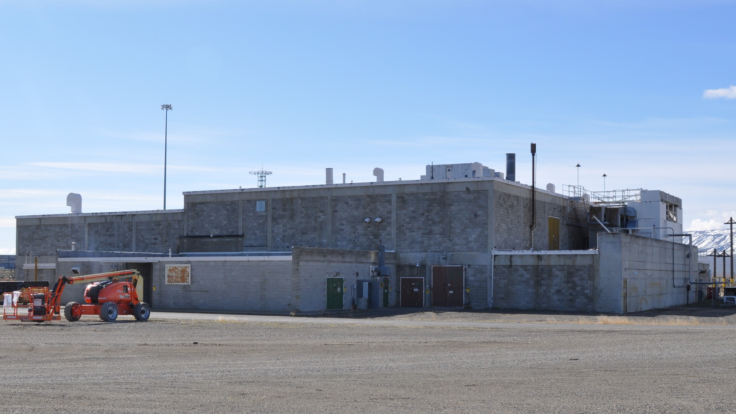
The US Department of Energy has spent nearly $12 million (£9 million) contesting compensation claims from workers who became ill while working at the Hanford nuclear site, while 152 claims approved by Washington state remain tied up in appeals. About half of the workers associated with those cases have died, leaving families waiting for decisions on benefits.
The dispute highlights a gap between legal protections intended to help workers prove that their illnesses are work-related and the lengthy process of securing compensation. It also raises questions about how a federal agency can continue challenging claims after state officials have accepted them.
A Legal Presumption, but No End to Appeals
Washington introduced a law in 2018 that makes certain cancers, neurological diseases, and respiratory illnesses presumed to be linked to work at Hanford for eligible workers. The presumption shifts the burden towards the employer to show that an illness has another cause; it does not automatically guarantee every claimant compensation.
State records covering new claims filed from 2023 to mid-2026 show that 102 workers sought benefits. The Department of Energy did not recommend approving any of those claims. Washington's state agency ultimately approved 75%, but the DOE appealed all but seven of those decisions.
Since 2018, the department has filed more than 500 appeals. In cases where it challenged state-approved claims, appeals authorities sided with workers nearly nine times out of 10, according to state data. The unresolved cases illustrate how a law designed to ease the evidential burden can still leave workers and their families facing a protracted process.
Legal and Medical Challenges Cost Nearly $12 Million
The DOE spent nearly $10 million (£7.5 million) on the outside law firm Wallace, Mann, Capener, Bishop & Debney between 2018 and 2025. Three physicians and an industrial hygienist collectively received more than $1.7 million for testimony against Hanford workers since the law was introduced. One doctor received more than $200,000 (£7.5 million) from the department in 2025.
The spending covers legal representation and expert testimony used in disputes over workers' claims. The figures do not, by themselves, establish that the department acted unlawfully, but they show the scale of the resources deployed to challenge compensation decisions.
The DOE said it complies with applicable local, state, and federal laws and cited its record of protecting human health and the environment. It did not answer detailed questions about the findings.
Individual Cases Show the Human Cost
Lonnie Rouse spent nearly 20 years packaging plutonium and monitoring radioactive waste at Hanford. His claim was denied in 2009, but Washington approved it after the 2018 law took effect. The DOE continued to appeal, contesting his entitlement despite a separate federal programme having approved benefits in 2010.
Rouse's lawyers said he received most of his back pay in 2024. He has kept the money untouched while the dispute continues, and he requires round-the-clock care. Medical experts linked his neurological disease to chemical exposure at work.
Isidoro Mata Jr., who spent nearly 30 years demolishing buildings at Hanford, was diagnosed with thyroid cancer in 2015. The state approved his claim in 2019, but the DOE challenged the decision. It dropped its appeal in December 2020; Mata died less than three months later.
The cases underline the difference between obtaining state approval and reaching a final outcome. Federal compensation is also available to some eligible nuclear workers under the Energy Employees Occupational Illness Compensation Program Act, which provides medical benefits and a one-time payment capped at $400,000 (£300,000). Washington's state system can provide wage replacement and pension benefits that continue over time.
State Officials Weigh Further Action
Washington's Department of Labor and Industries has held two meetings with the DOE following questions about its handling of claims. Spokeswoman Carrie McCausland said staff were concerned and were assessing the seriousness of the patterns identified.
Potential responses include requiring an improvement plan and monitoring compliance, or revoking the DOE's ability to administer and pay claims directly. Washington Attorney General Nick Brown said the department had faced strong resistance from the DOE in cases brought under the law. State Representative Gerry Pollet, who sponsored the legislation, criticised the agency's approach, saying it appeared to make savings at the expense of sick workers.
Hanford produced about two-thirds of the plutonium used in the US nuclear arsenal, including material for the bomb dropped on Nagasaki in 1945. Cleanup began after the site's last reactor shut down in the late 1980s and is expected to continue until at least 2086. The ongoing appeals leave a central question for regulators: whether a compensation system intended to protect workers can deliver meaningful relief when approved claims remain contested for years.
© Copyright IBTimes 2026. All rights reserved.