

OpenAI and Other AI Chatbots Answered Pathogen and Poison Queries as Law Lacks Mandatory Alerts to Authorities
AI companies face scrutiny after chatbots received pathogen and poison-related requests.

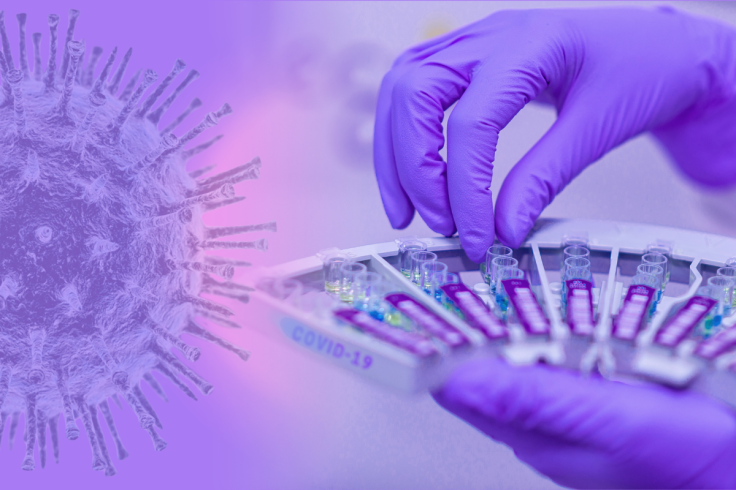
OpenAI and other AI chatbots have fielded user requests about pathogens, poisons and biological threats, while US law does not generally require companies to alert authorities to such activity, according to a Wall Street Journal investigation.
Users submitted biological threat-related queries to leading AI systems after advances in model capabilities, with some responses raising concerns over whether existing safeguards could prevent misuse.
The investigation found that AI firms responded to users seeking information related to biological weapons and toxic substances, while companies largely handled those cases through internal reviews, account restrictions and safety controls.
OpenAI banned accounts linked to users seeking information about biological weapons and poisons but did not notify law enforcement in those cases, according to people familiar with the matter cited in the investigation.
The company said its models are trained to refuse requests involving instructions, tactics or planning that could harm people. OpenAI said it reports conversations to law enforcement when it identifies an imminent and credible risk of harm.
The findings add pressure on AI companies as they continue developing systems capable of handling increasingly complex scientific and technical information.
AI Systems Face New Misuse Risks
The issue extends beyond OpenAI.
Similar requests involving biological threats were also submitted to other major AI platforms, including Anthropic's Claude, Google's Gemini and xAI's Grok, according to the investigation.
AI models are increasingly used in fields such as scientific research, medicine and biotechnology. But their ability to process complex information has also raised concerns about how they may be used outside their intended purposes.
Companies have introduced safeguards designed to prevent harmful use, including refusal systems, monitoring tools and account restrictions.
OpenAI has said it evaluates models before release and continues improving systems that detect attempts to obtain harmful information.
Other AI developers have introduced similar protections, but the effectiveness of those measures remains a focus for researchers and policymakers. The challenge for developers is maintaining access for legitimate users while preventing systems from assisting with harmful activities.
Safeguards Tested As AI Capabilities Expand
AI companies have increased investment in safety systems as models become more capable in specialised fields.
OpenAI has developed monitoring systems and trained models to refuse requests involving harmful biological information. The company has also created controlled access programmes for approved researchers and organisations that require fewer automated restrictions.
Those programmes are designed to support legitimate scientific work while maintaining additional oversight around sensitive areas.
However, the rapid improvement of AI models has made safety testing more complex. Developers must continually evaluate whether existing protections can handle new ways users interact with their systems.
The issue is particularly sensitive in biology, where information that supports research can also create risks if misused.
Reporting Rules Remain Limited
The handling of dangerous AI queries remains largely dependent on company policies rather than mandatory federal requirements.
US law does not currently require AI companies to report most user requests involving biological weapons, poisons or other potentially harmful applications.
That means companies decide when activity should result in an account suspension, further review or contact with authorities.
AI firms have argued that flexible responses allow them to address threats while avoiding restrictions that could disrupt legitimate research.
The debate over reporting requirements is likely to continue as AI systems become more widely used across scientific and commercial fields.
For now, companies developing advanced AI systems remain responsible for deciding how to respond when users attempt to use those tools for potentially harmful purposes.
© Copyright IBTimes 2026. All rights reserved.