

Biohacker Bryan Johnson Claims He 'Cloned' Himself as a Newborn to Grow Organs After Incurable Disease Diagnosis
The American entrepreneur says his autoimmune gastritis diagnosis prompted a stem cell experiment aimed at one day growing replacement organs, sparking fascination and scepticism online.
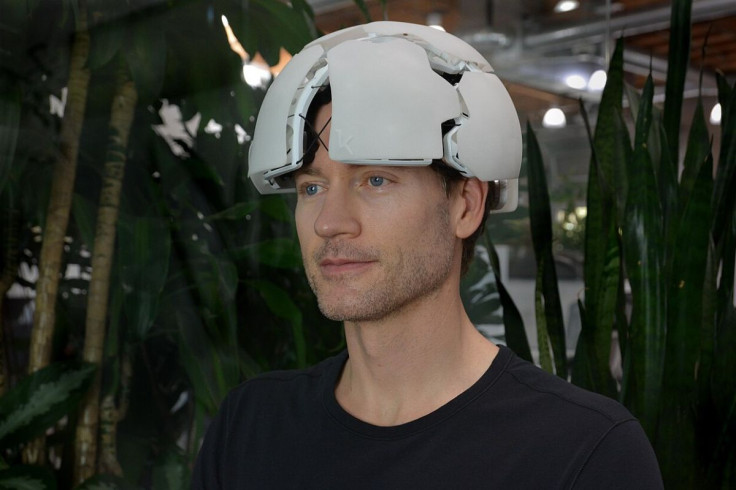
Bryan Johnson has claimed he created a 'newborn' version of himself in a petri dish, saying the experiment could one day help him grow replacement organs after his autoimmune gastritis diagnosis. While scientists say such technology is still years away from routine medical use, Johnson believes it could eventually allow him to rebuild his body using his own cells.
The 48-year-old biohacker posted the startling claim on X on July 22, telling followers: 'I just cloned myself...as a newborn.' Johnson, who has built a global following through his extreme anti-ageing project Blueprint, also said the so-called 'baby-Bryan' currently exists in a petri dish.
'With this clone, I can become my own blood boy, test therapies on the clone, grow organs for transplantation, develop new treatments, inject young cells,' he wrote.
I just cloned myself...as a newborn
— Bryan Johnson (@bryan_johnson) July 21, 2026
With this clone, I can:
+ become my own blood boy
+ test therapies on the clone
+ grow organs for transplantation
+ develop new treatments
+ inject young cells
This baby-bryan lives in a petri dish for now.
This may be scary to some… pic.twitter.com/Ved8ij9Col
The post quickly attracted widespread attention, amassing more than 840,000 views at the time of writing and fuelling debate over whether Johnson's latest experiment represents a glimpse of future medicine or another headline-grabbing longevity stunt. Johnson has not yet released full technical details, data or independent verification beyond his own explanation.
What Did Bryan Johnson Actually Create?
Despite the dramatic language, Johnson's description appears to point towards induced pluripotent stem cells (iPSCs) rather than a literal human clone. He said the process began with a blood draw. His cells were then extracted, exposed to Yamanaka factors and reset to an embryonic-like state.
iPSCs are adult cells that have been reprogrammed to behave like embryonic stem cells, meaning they can theoretically develop into many different cell types. That means they can, in theory, become specialised cells including neurons, heart cells and retinal cells.
Johnson framed the experiment as a step towards rebuilding the body 'organ by organ'.
He suggested the cells could one day help repair lost eyesight or hearing, restore kidney, liver or lung function, and treat skin damage. Because the cells come from his own body, he argued, they may be less likely to be rejected than transplanted tissue from another donor.
Although scientists are actively researching iPSC technology, experts caution that growing fully functioning transplantable organs remains one of regenerative medicine's biggest unsolved challenges.
Autoimmune Gastritis Diagnosis Inspired the Experiment
The post came weeks after Johnson revealed he had been diagnosed with autoimmune gastritis, a chronic condition in which the immune system attacks cells in the stomach lining. Johnson described it bluntly as: 'My stomach is eating itself.'
Autoimmune gastritis can affect the body's ability to absorb iron and vitamin B12. Over time, it can contribute to anaemia, nutritional deficiencies and a higher risk of certain stomach cancers.
Johnson has said the diagnosis is incurable and can only be managed under standard care. Rather than treating it as defeat, he claimed it had inspired him to explore new ways of repairing damaged tissue using his own cells.
'This is the first example,' he wrote of the cell experiment.
For Johnson, the diagnosis marked a shift from simply slowing ageing to attempting to reverse disease through regenerative medicine.
Viral Reaction Divides Social Media
The reaction online was mixed, but many users found the post unsettling. One widely repeated response described it as 'man-made horrors beyond comprehension.' Another critic wrote: 'Bryan Johnson is what happens when you give too much money to a man who is morbidly afraid of death.'
Imagine being born, and you’re just used as disposable parts for a mentally ill man afraid of death. You are truly evil Bryan.
— WinterScalper (@WinterScalper) July 22, 2026
Others defended the experiment, arguing that breakthroughs in medicine often begin with ideas that initially appear unconventional, while some questioned whether Johnson's language overstated what had actually been achieved in the laboratory.
The backlash is familiar territory for Johnson, whose longevity experiments have included strict diets, constant testing, blood-plasma transfusions and expensive medical interventions. He has also admitted that not every experiment worked. In one of his interviews, he said he regretted using human growth hormone after experiencing raised intracranial pressure and disrupted blood glucose.
Future Medicine or Anti-Ageing Spectacle?
Johnson argues that stem-cell reprogramming points towards the future of healthcare, where damaged tissues could eventually be replaced with personalised cells grown from a patient's own body.
Scientists are already studying pluripotent stem-cell therapies for conditions such as Parkinson's disease, heart damage and vision loss. But turning that promise into safe, routine organ replacement remains a major scientific and regulatory challenge.
Researchers are continuing to explore how patient-derived stem cells could reduce transplant rejection and improve personalised treatments, but translating laboratory discoveries into approved therapies is likely to take many years of further testing.
For now, Johnson's 'clone' is better understood as a collection of reprogrammed stem cells than a true clone or 'newborn' version of himself. Whether his latest announcement proves to be a genuine medical milestone or another provocative chapter in his Blueprint journey will depend on future scientific evidence.
© Copyright IBTimes 2026. All rights reserved.