

Alan Dye Leaving Apple — What Meta's New Design Chief Means for Future AI Glasses
Dye, who oversaw Apple's 'Liquid Glass' UI, will now focus on enhancing AI features in Meta's growing consumer hardware

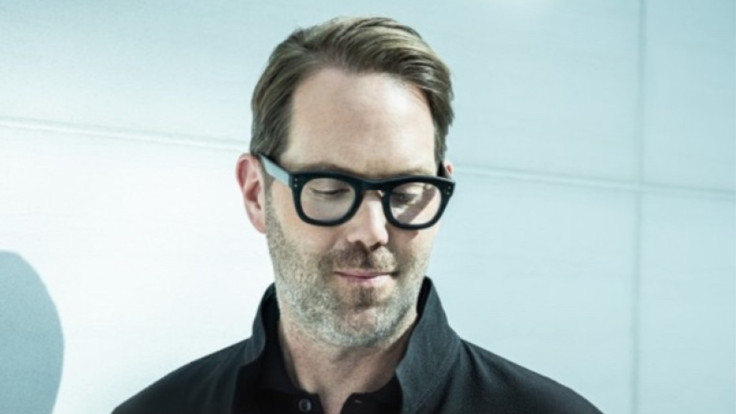
A significant chapter in Apple's design history has closed with Alan Dye's departure. This move shifts the spotlight directly onto his next role as Meta's new Vice President of Design for its Reality Labs division.
Alan Dye, who headed Apple's user interface design, is moving to Meta, a significant executive shift across Silicon Valley. The Cupertino-based tech giant acknowledged Dye was leaving on Wednesday.
The Shift: Apple Design Head Moves to Meta
Separately, Apple's chief executive, Tim Cook, said the firm puts design first and already has a capable team. The same announcement named seasoned designer Stephen Lemay as Dye's replacement. 'Steve Lemay has played a key role in the design of every major Apple interface since 1999,' Cook said in a statement.
Alan Dye joins Meta as Chief Design Officer pic.twitter.com/3gdZaCKe3A
— Andreas Storm (@avstorm) December 3, 2025
Zuckerberg's Vision: Elevating Design for the Metaverse
In a Threads post on Wednesday, Meta CEO Mark Zuckerberg announced that Dye would be heading a new creative studio combining design, fashion, and technology. 'We plan to elevate design within Meta,' the executive posted, though he omitted which precise products Dye would focus on.
$META CEO Mark Zuckerberg just posted this:
— Evan (@StockMKTNewz) December 3, 2025
“Today we're establishing a new creative studio in Reality Labs led by Alan Dye, who has spent nearly 20 years leading design at Apple.” pic.twitter.com/y1UUDEAVXS
Unlike rivals in Silicon Valley, Apple has consistently highlighted design as a key selling point for both its consumers and shareholders. Moreover, the firm frequently assigns its top design staff to important roles, allowing them to detail interface changes during product launch events.
The Legacy: From Jony Ive to Liquid Glass
Back in June, Dye unveiled a complete overhaul of the software interface for iPhones, Macs, and the Apple Watch, called Liquid Glass. The company labelled this new look as 'elegant', noting its see-through buttons, refreshed application images, and smooth, flowing movements.
Dye proclaimed the redesign was the 'next chapter' for Apple's software, declaring that it 'sets the stage' for the upcoming generation of its devices. During the introduction, Dye stated, 'Our new design blurs the lines between hardware and software to create an experience that's more delightful than ever while still familiar and easy to use.'
Alan Dye is a very sensitve lose for Apple, the company who lost the Steve Jobs legacy pic.twitter.com/u3GzQcoHgN
— Jose Ali Vivas (@josealivivas) December 3, 2025
However, opinions were split on the Liquid Glass refresh after it was released alongside the new iPhones in September. The essence of Apple's design, for many years, rested with the executive Jony Ive, who departed the company in 2019 and is currently collaborating with OpenAI and Sam Altman on devices focused on artificial intelligence.
Dye assumed responsibility for user interface design and became a primary leader in the design department in 2015, which was when Ive moved away from daily operations. His LinkedIn page shows Dye joined Apple in 2006 and contributed to software development for the iPhone, iPad, Mac, Apple Watch, Apple TV, and Vision Pro.
Dye also played a part in the 2017 iPhone model, which removed the physical home screen button from the device's base and substituted it with a motion-based swipe-up gesture in the software.
The Challenge: Meta's Hardware Ambitions
In recent times, Meta has expressed its ambition to become a leading hardware maker, with Zuckerberg identifying Apple as one of his organisation's fiercest rivals.
Focus on AI: Dye's Role in Next-Gen Devices
Dye's arrival is a crucial move for the firm led by Zuckerberg, as it drives forward with consumer technology such as smart glasses and VR head-mounted displays. He is expected to focus on enhancing the artificial intelligence capabilities of this hardware and will report directly to Chief Technology Officer Andrew Bosworth.
Meta currently produces numerous virtual reality headsets under its Quest line and recently achieved its first hardware success with the Ray-Ban Meta spectacles.
The new Meta Ray-Ban Display glasses! 🤩 I’m very excited!
— Ben Geskin (@BenGeskin) September 15, 2025
Meta’s upcoming HUD smart glasses will actually be Ray-Ban branded, paired with the sEMG wristband for finger-swipe control.
A now-pulled Meta video showed the glasses in action with on-foot navigation and Meta AI.… pic.twitter.com/X2UAwG4yP9
These are fashionable eyewear that contain cameras and can run an AI system capable of responding to queries. The device's sales increased threefold over the past year, according to EssilorLuxottica, the owner of Ray-Ban, which disclosed the figures in July.
'We're entering a new era where AI glasses and other devices will change how we connect with technology and each other,' Zuckerberg wrote.
© Copyright IBTimes 2026. All rights reserved.