Alaskan Teen Survived 62 Hours in Frigid Bering Sea After Boat Capsized: How Did He Stay Alive?
Aghnaanga was found alive after 62 hours on a capsized fishing boat near Alaska
A 15-year-old Alaskan boy survived roughly 62 hours stranded on an overturned fishing boat in the Bering Sea after a trip with his older brother and cousin ended in tragedy.
Derek Parker Aghnaanga, from Savoonga, was found near St. Lawrence Island on 7 September after enduring cold water, wind and exposure without food or fresh water.
According to the US Coast Guard and accounts from his rescuers and family, the teenager stayed on the capsized skiff until an aircrew spotted him and directed a nearby fishing vessel to his position.
How Did Aghnaanga Survive 62 Hours in the Bering Sea?
Aghnaanga's survival largely came down to remaining out of the water by staying on the overturned hull, rather than attempting to swim away.
The teenager had left Savoonga on 4 September with his brother, 35-year-old fishing captain Sidney Kulowiyi, and their cousin for a halibut fishing trip. Their 18-foot skiff later capsized, although authorities have not publicly established what caused it to overturn.
According to Aghnaanga's accounts after his rescue, Kulowiyi became trapped beneath the boat and drowned. Aghnaanga and his cousin initially managed to remain on the exposed hull, but his cousin later slipped into the sea.
MIRACLE AT SEA: Dramatic rescue footage captures the moment a 15 year old boy was saved after surviving for nearly three days atop a capsized fishing skiff in Alaska's frigid Bering Sea.
— Jerry Wendell (@jerrywendell_) September 12, 2026
The teenager, identified as Derek Parker Aghnaanga, went missing during a halibut fishing... pic.twitter.com/aKRH0NdD6j
That left the teenager alone, reportedly kneeling or sitting on the upturned vessel for the remainder of the ordeal. His mother, Vina Kulowiyi, later wrote on social media that her son 'lived on prayer'. Relative Darren Toolie-Noongwook also said Aghnaanga spent his time on his knees praying.
Crucially, staying on the hull limited his direct exposure to Bering Sea water that was around 10C, according to Northwest Explorer captain Adam White. Aghnaanga's bright yellow jacket also made him easier for search crews to identify from the air.
US Coast Guard Found Teen After Fishing Boat Capsized
The three had been expected home by early Sunday, 6 September. After they failed to return, Alaska State Troopers were alerted and subsequently notified the US Coast Guard at around 8:30pm, according to accounts of the search.
Dense fog initially hampered operations, but conditions improved the following morning.
At approximately 10:30am on 7 September, a Coast Guard aircrew spotted Aghnaanga on the overturned boat. The Coast Guard had dropped inflatable life rafts nearby, but the teenager was suffering from hypothermia and was reportedly too weak to swim towards them.
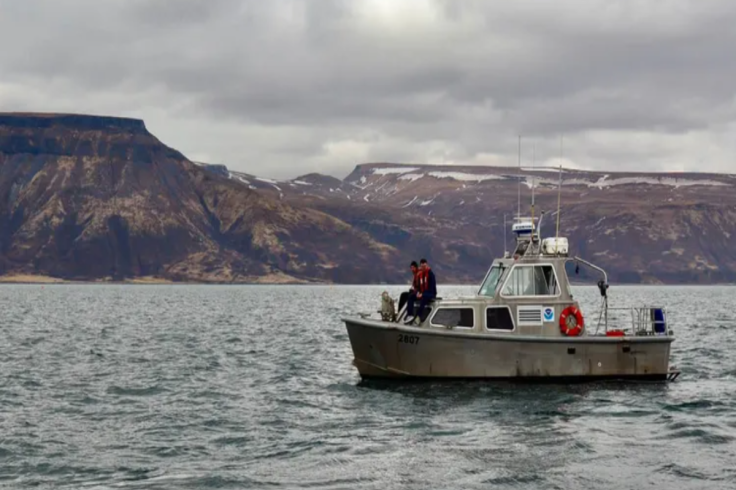
The fishing vessel Northwest Explorer, which was carrying National Oceanic and Atmospheric Administration scientists, was directed to assist. Captain White told reporters his vessel was about 39 miles away and took approximately four hours to reach Aghnaanga.
Its crew eventually threw the teenager a line, brought the overturned skiff alongside and pulled him to safety.
'That's one tough kid,' White said, adding that he was unsure how anybody else could have survived the conditions for so long.
Teen Was Suffering From Hypothermia When Rescued
Aghnaanga was visibly cold when rescuers reached him, with White recalling that his teeth were chattering as he explained what had happened to his relatives.
The Northwest Explorer crew wrapped him in blankets, used hot packs and monitored his condition as the vessel headed towards Nome for further medical care.
His brother and cousin did not survive, and their bodies were recovered.
The tragedy has hit the small Savoonga community particularly deeply. Kulowiyi was remembered by relatives as a commercial fishing captain who helped provide food for local residents and had acted as a father figure to his younger brother.
Aghnaanga had to endure more than two days by himself in one of the most hostile maritime environments in America in order to survive. The 15-year-old eventually found a way home thanks to his clothing being visible, staying aboard the overturned hull, improved search conditions, and a well-coordinated rescue effort.
© Copyright IBTimes 2026. All rights reserved.
- Recommended For You