

Donald Trump Reportedly Wants To Imprison Democrats for Doing Their Jobs as Experts Say This 'Will End Poorly'
A presidential demand for imprisonment puts congressional oversight and political accountability at the centre of a new constitutional confrontation
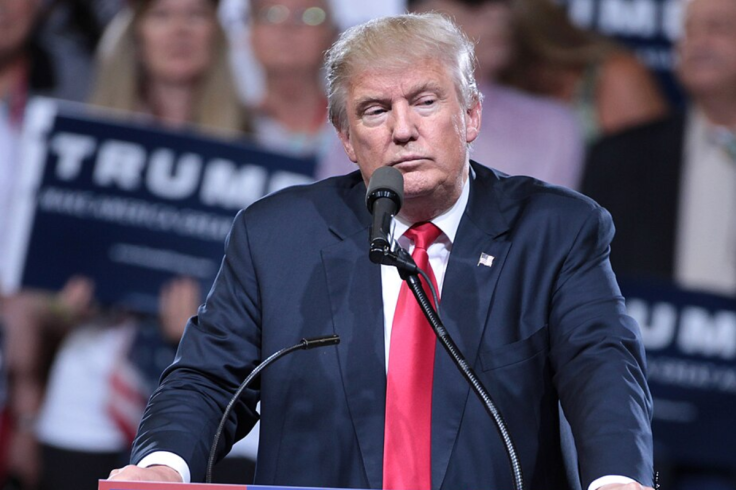
President Donald Trump called for Democrats he accused of extortion to be imprisoned on Saturday, 7 November, and said he was directing the Justice Department to investigate. His demand followed the 3 November midterm elections, which handed Democrats control of both chambers of Congress from January.
The incoming Democratic majorities have promised investigations into the Trump administration, including its handling of public money and executive powers. Trump accused political opponents of threatening officials with impeachment and Republican donors with punishment, but provided no evidence of criminal conduct.
Donald Trump Demands Criminal Inquiry Over 'Extortion' Allegations
In a Truth Social post, Trump said Democrats had threatened Attorney General Todd Blanche and other administration officials with impeachment. He maintained that those officials had committed no impeachable offences.
'This is extortion at the highest level, and they should be held accountable for this,' he wrote. Trump further claimed donors were being targeted simply for supporting Republicans, without identifying the alleged victims or releasing the letters he described.
He then declared, 'The imprisonment should be against these EXTORTIONISTS', and said he was 'ordering the Department of Justice to look into this criminal act, immediately!'
The presidential instruction did not establish whether prosecutors had opened a formal investigation. The department did not immediately respond to a request for comment from Reuters.
Some congressional scrutiny is already documented. On 21 October, Democratic Senator Richard Blumenthal requested information from donors to Trump's White House ballroom project, citing potential conflicts of interest. His concerns were questions for investigation, not established findings of misconduct.
Elissa Slotkin Challenges Donald Trump's Claims and Jail Threat
Trump also singled out Michigan Senator Elissa Slotkin, accusing her of wanting to target young people for holding Republican beliefs. He supplied no evidence that she had proposed prosecuting anyone solely for their politics.
President Trump's response to the American people overwhelmingly voting against rising costs and his corrupt weaponization of the government: promote @StephenM to Chief of Staff and double down on the policies that brought him the loss in the first place. And then have Stephen… pic.twitter.com/hX5I10zGED
— Elissa Slotkin (@ElissaSlotkin) November 7, 2026
At a University of Chicago event in October, Slotkin discussed congressional investigations into possible misconduct by administration officials. She said the prospect of scrutiny might discourage graduates from accepting administration jobs. Republican Senator Mike Lee criticised her remarks, while Slotkin said critics had misrepresented them.
In a statement on 7 November, Slotkin accused Trump of having Stephen Miller draft a message threatening her with jail. Miller's alleged involvement has not been independently established.
Trump had announced that Miller would replace Susie Wiles as White House chief of staff on Monday, 9 November.
Slotkin insisted that people who break the law or misuse taxpayer funds should face accountability. 'If you didn't break the law, then it's all good,' she said.
Political commentator Keith Olbermann also criticised Trump's threat. In a Bluesky post, he accused Miller of influencing the president's approach and warned that the confrontation 'will end poorly for the junta'.
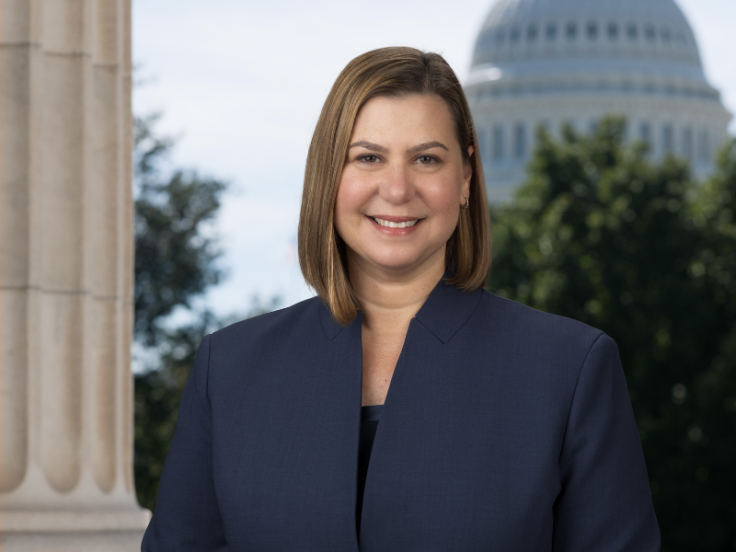
The exchange revived an earlier Justice Department investigation into Slotkin and five other Democratic lawmakers. They had released a video urging military and intelligence personnel to refuse unlawful orders. A federal grand jury declined to indict them on 10 February.
Congress can investigate the executive branch and consider impeachment, although those powers do not place lawmakers above criminal law. No court has determined that the specific conduct Trump alleged constituted extortion.
© Copyright IBTimes 2026. All rights reserved.