Justice Alito Abruptly Steps Aside From Exxon–Suncor Climate Appeal With No Reason Given
The court has not given a reason for Alito's decision, which comes amid scrutiny of his investments in fossil-fuel companies
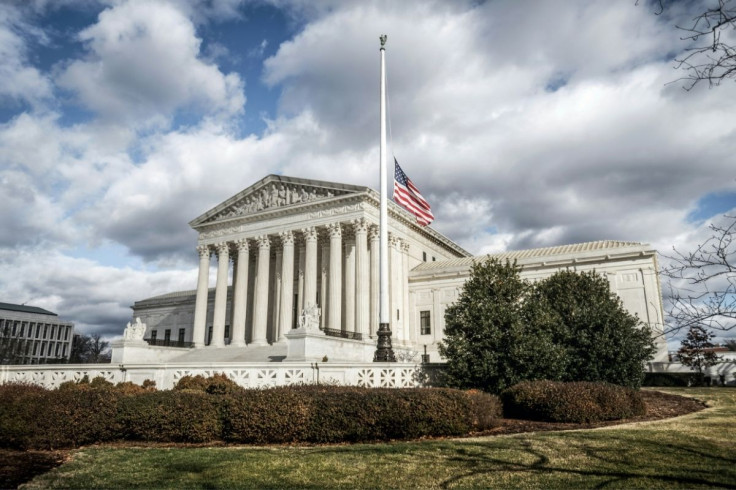
US Supreme Court Justice Samuel Alito will no longer participate in one of the most closely watched climate cases of the court's new term, just days before arguments are due to begin, without publicly explaining why.
The Supreme Court's clerk informed lawyers on Monday, 28 September, that Alito had 'determined that he will not continue to participate' in Suncor Energy v. County Commissioners of Boulder County.
The official docket confirms the notice but provides no reason for his decision. Oral arguments are scheduled for 5 October, when the court begins its 2026 term.
The move has drawn attention because Alito had faced calls to recuse himself over investments in oil and gas companies. However, Reuters reported that he does not own shares in ExxonMobil or Suncor Energy, the companies directly involved in the dispute.
Earlier this year, a Supreme Court spokesperson said Alito did not have a financial interest in either party and that, after consulting the court's legal counsel, his recusal was not required.
Why Alito's Withdrawal Is Drawing Scrutiny
Alito's decision is notable because his participation in the case had already become the subject of a dispute involving his financial holdings.
Consumer Watchdog has raised concerns about his investments in other fossil-fuel companies. The group has pointed to Alito's holdings in ConocoPhillips and Phillips 66, companies that are defendants in separate climate-related lawsuits that could potentially be affected by the Supreme Court's ruling.
Those holdings do not establish that they prompted Monday's decision. The Supreme Court has not identified the reason, and Alito has not publicly explained his decision.
The timing nevertheless marks a change from earlier proceedings. When the Supreme Court agreed in February to hear the current appeal, Alito participated. But when an earlier version of the Boulder dispute reached the court in 2023, he took no part in its consideration. The court ultimately declined to hear that earlier petition.
Alito has also previously recused himself from cases involving companies linked to his financial holdings. In January, for example, he stepped aside from an oil-industry case involving a subsidiary of ConocoPhillips because of his financial interest in the parent company.
What the Exxon–Suncor Climate Case Is About
The dispute dates to 2018, when Boulder County and the City of Boulder sued ExxonMobil and Suncor entities over alleged climate-related damage. The county and city accuse the companies of contributing to climate change while allegedly concealing or misrepresenting the risks associated with fossil fuels.
They are pursuing state-law claims including nuisance, trespass, unjust enrichment and civil conspiracy.
The companies dispute the claims and argue that federal law pre-empts state-law claims concerning harms allegedly linked to global greenhouse gas emissions.
In May 2025, the Colorado Supreme Court ruled that federal law did not pre-empt Boulder's claims, allowing the litigation to continue without deciding whether the allegations themselves were ultimately valid.
The US Supreme Court agreed in February 2026 to review that ruling. The justices also ordered the parties to address an additional threshold issue: whether the Supreme Court has statutory and constitutional jurisdiction to hear the appeal at this stage.
Ruling Could Reach Beyond Colorado
The stakes extend beyond the Boulder dispute because similar climate cases have been brought against fossil-fuel companies around the United States.
Suncor and ExxonMobil argue that allowing individual states to impose liability for harms linked to global emissions could create conflicting legal standards. The Trump administration has also backed the companies' position that federal law pre-empts the claims.
Boulder argues that its lawsuit does not seek to regulate emissions or halt fossil-fuel production. Instead, the local governments say they are pursuing compensation under state law for alleged local damage and deceptive conduct.
Alito's decision not to participate means eight justices are expected to hear the closely watched arguments on 5 October.
His absence does not signal how the remaining justices will decide the case, but it creates the possibility of a 4-4 split. A 4-4 division would leave the Colorado Supreme Court's ruling in place, but would not establish a nationwide Supreme Court precedent.
© Copyright IBTimes 2026. All rights reserved.
- Recommended For You