Letitia James's DOGE Treasury Case Thrown Out by Judge Who First Restricted Team's Access
Judge Jeannette Vargas ruled that the case could not continue after Treasury's dedicated DOGE unit was dissolved and its personnel left the agency
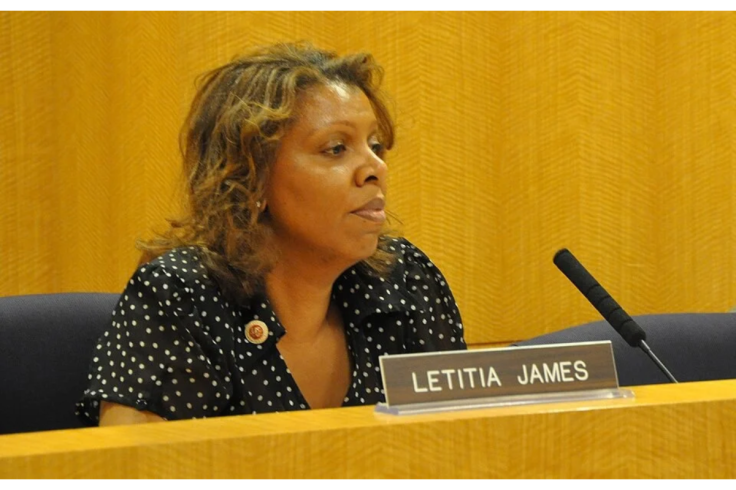
In a legal setback for New York Attorney General Letitia James, a federal judge appointed by Joe Biden has thrown out her high‑profile lawsuit challenging Elon Musk's Department of Government Efficiency (DOGE) over its access to sensitive Treasury Department databases.
US District Judge Jeannette Vargas ruled in Manhattan that the states' claims concerning DOGE access to sensitive Treasury information were moot because the Treasury's dedicated DOGE unit has been formally dissolved and its personnel have departed the agency.
The decision ends a legal battle spearheaded by Ms James, who has long established herself as one of Donald Trump's most prominent courtroom adversaries.
A Threat to the Nation's Financial Engine
The dispute arose after the Treasury Department granted DOGE‑affiliated workers access to the Bureau of the Fiscal Service, the central clearinghouse responsible for processing billions of dollars in federal grants, state health insurance allocations and citizen tax refunds.
Leading a coalition of 19 Democratic state attorneys general, Ms James argued that permitting political appointees and unvetted external advisers to inspect sensitive payment systems placed financial infrastructure and private personal data at risk.
State officials claimed that outside figures lacked the statutory authority to oversee sensitive financial operations, raising concerns over potential data exposure and system disruptions.
The Trump administration opposed the litigation, accusing state officials of attempting to obstruct efforts to identify government waste, fraud and mismanagement.
Treasury Secretary Scott Bessent maintained that DOGE personnel were limited to restricted, read‑only viewings under supervisory parameters designed to prevent any unauthorised data extraction.
From Injunction to Dismissal
The case's trajectory carried procedural irony. When the state coalition first brought the matter to the US District Court for the Southern District of New York, Judge Vargas sided with the attorneys general by issuing a temporary restraining order.
That initial order barred unvetted DOGE contractors from entering the payment databases, restricting access to permanent civil servants and temporary staff who had undergone background checks, security clearances and formal administrative training.
The preliminary injunction was welcomed by Democrats as a measure protecting state funding from political interference.
However, as the executive directive governing the DOGE team's mandate reached its conclusion and team members left their roles, the legal basis for the injunction fell away. Administration lawyers then filed a motion to dismiss, asserting that court oversight was no longer required.
Broader Political and Legal Fallout
The legal clash reflects wider friction between Democratic state officials and the Trump administration's efforts to overhaul executive agencies. State prosecutors have increasingly used federal courts to challenge executive orders, while administration officials accuse blue‑state prosecutors of relying on judicial mechanisms for political resistance.
Although this lawsuit has concluded, legal experts expect similar challenges to surface as federal reform teams turn their attention to other Cabinet departments. Questions regarding executive power, administrative oversight and data privacy remain unresolved in the wider national debate.
Legal Mootness Ends Courtroom Battle
In her final order closing the case, Judge Vargas determined that because no DOGE personnel remained at the Treasury Department, there was no ongoing conduct for the court to enjoin.
Granting the administration's motion to dismiss, the judge dismissed the access claims as moot and rejected the states' remaining constitutional arguments under Federal Rule 12(b)(6).
While the White House welcomed the outcome as a validation of its administrative reform initiatives, representatives for Ms James emphasised that the initial suit helped ensure the executive branch maintained security vetting and legal compliance. The dismissal closes one of the more visible legal disputes between state prosecutors and federal reform efforts.
© Copyright IBTimes 2026. All rights reserved.
- Recommended For You