Donald Trump Says Supreme Court Is 'Bullied and Cajoled by the Radical Left' in Truth Social Post
The Court left a lower-court injunction in place, blocking new mail-ballot requirements while the legal challenge continues
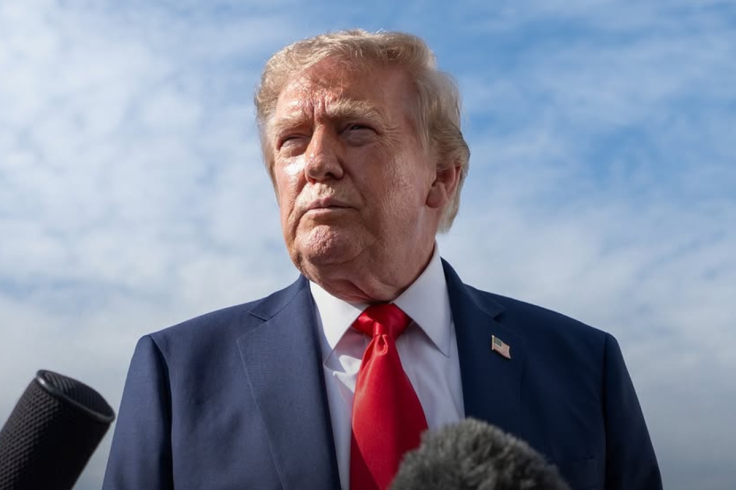
President Donald Trump accused the US Supreme Court of being 'bullied and cajoled by the Radical Left' after it declined to allow his administration's proposed mail-ballot restrictions to take effect before November's midterm elections.
In a Truth Social post on Tuesday, 15 September, Trump said the justices had become 'a shell of their original selves' after the Court left a lower-court injunction against new US Postal Service requirements in place.
The dispute stems from Executive Order 14399, signed on 31 March 2026. The order directed the US Postal Service, or USPS, to begin rulemaking on new standards for mail-in and absentee ballots, while directing federal agencies to develop state citizenship lists.
The Supreme Court's 14 September order did not finally decide whether the USPS rule is lawful. It denied the Justice Department's emergency request to lift a preliminary injunction issued by US District Judge Indira Talwani, meaning the new requirements cannot be enforced for the 2026 midterms while the wider case continues.
Trump's complaint was directed, in part, at justices he appointed. The Court did not publish a detailed vote breakdown, but Justice Samuel Alito's dissent, joined by Justice Clarence Thomas, indicated a 7-2 decision.
Donald Trump Targets Supreme Court Justices
Trump called Alito and Thomas 'legends' and described the Court's order as a 'horrible, highly political, ruling'. He argued that the justices had made decisions setting the US back 'at least a hundred years'.
'These are not the people I interviewed to serve on the United States Supreme Court,' Trump wrote. 'They are merely a shell of their original selves.'
He also claimed the Court was costing the US trillions of dollars through damaging decisions and that the country might struggle to 'recover or heal'. The post did not provide evidence supporting that financial claim.
Trump later called the outcome a 'big loss for Republicans, and America itself'. He again made claims that mail voting is vulnerable to fraud, but did not provide evidence in the post to substantiate claims of widespread mail-ballot fraud.

The Court's brief order said the government was 'unlikely to succeed on the merits' of its challenge to the preliminary injunction. That language concerns the administration's emergency effort to suspend the injunction. It does not resolve the underlying dispute over the scope of USPS authority.
Justice Brett Kavanaugh concurred in leaving the injunction in place. He indicated that there was a possibility that the final rule fell within the Postal Service's statutory authority, but concluded that applying it during the 2026 elections could not proceed because state and local election officials did not have sufficient time to implement it.
Supreme Court Order Keeps USPS Rule Paused
Trump's March executive order directed federal agencies to develop state citizenship lists and told USPS to pursue rulemaking for mail-in and absentee ballot requirements.
The subsequent USPS rule would have required states using the service to provide voter-specific information and use agency-approved mail-ballot envelopes with unique barcodes. USPS could then refuse to transmit ballots that did not comply with the new standards or were associated with voters who did not appear on the submitted lists.
The White House order also contemplated states notifying USPS of plans to use mail-in or absentee ballots and submitting voter information ahead of federal elections. It distinguished that process from the separate work ordered for federal agencies on citizenship lists.
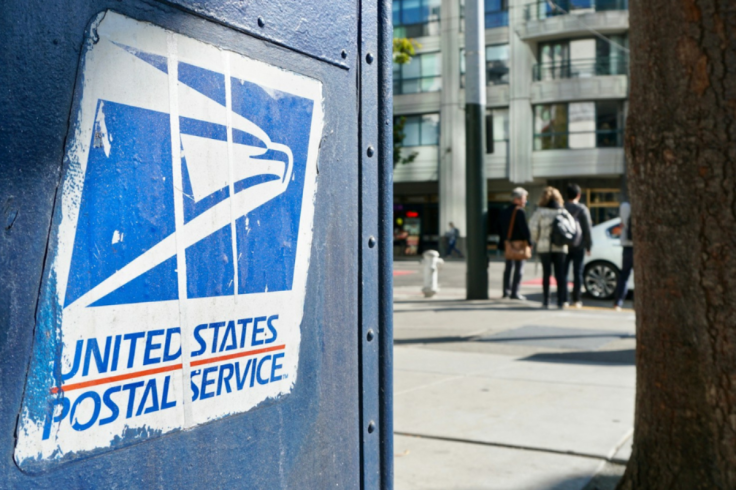
Under the rule, challengers argued that USPS could refuse to transmit ballots that failed to meet the new standards or were linked to voters absent from the submitted lists.
That potential consequence sat at the centre of the legal fight, with election officials warning that a late switch could disrupt established election procedures.
The administration argued the Postal Service had authority to regulate the handling of election mail. Opponents, including Democratic-led states and voting-rights groups, argued that the policy could interfere with established election procedures.
Timing became the practical issue. Judge Talwani issued the preliminary injunction on 4 September, with states already preparing ballot materials for the 3 November elections.
North Carolina had begun sending ballots when the Supreme Court considered the administration's application.
A second federal judge also blocked implementation of the same USPS rule on 14 September, even as the Supreme Court weighed the emergency request.
The overlapping orders underscored how little room remained for election administrators to adopt a nationwide process involving new lists, envelope specifications and postal checks.
For the 2026 midterms, the USPS rule remains blocked while the broader legal dispute continues.
© Copyright IBTimes 2026. All rights reserved.
- Recommended For You