

Judge Denies Blanche's Bid To Hide Epstein Foreign-Language Docs After DOJ Skipped Required Legal Talks
Judge refuses Todd Blanche's request to halt DOJ review of foreign-language Epstein files
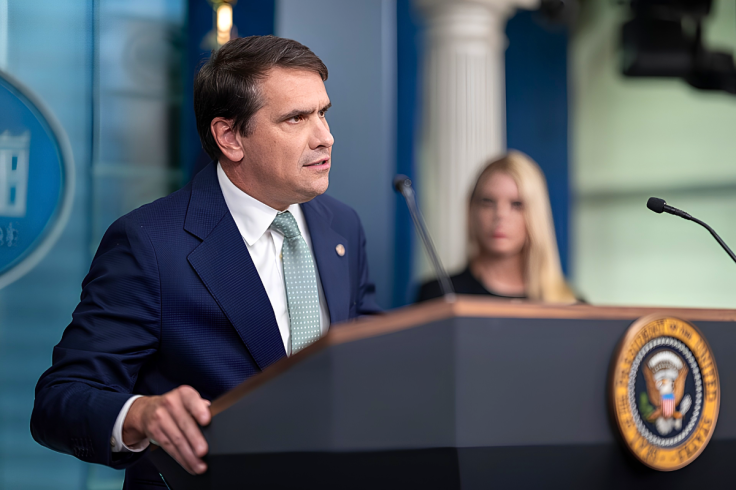
A federal judge has rejected Todd Blanche's attempt to pause an order requiring the Justice Department to begin reviewing and producing foreign-language materials from the Epstein files, leaving the DOJ facing another court deadline in a closely watched transparency case.
US District Judge Emmet Sullivan denied Blanche's motion for a partial stay on 22 September, finding that the Justice Department had failed to follow a local rule requiring parties to confer before filing certain motions and saying the request would also fail on its merits.
Judge Rejects Blanche's Bid To Halt the Order
The dispute centres on an earlier ruling in the case brought by journalist and attorney Katie Phang against Blanche, who is serving as acting US Attorney General.
On 16 September, Sullivan ordered the Justice Department to initiate the review and production of foreign-language materials that could fall within the Epstein Files Transparency Act. The order set 24 September as the deadline for the DOJ to begin the process and notify the court and the parties that the review was underway.
Blanche then sought a partial stay pending an appeal, asking Sullivan to pause that requirement.
The judge rejected the request. According to the order discussed in a 22 September episode of Legal AF, Sullivan found that the DOJ had not first made the required effort to confer with Phang's legal team before filing the motion.
Legal commentator Michael Popok highlighted the procedural issue in his podcast, saying, 'You didn't meet and confer.' He said the judge made clear that the failure alone was enough to defeat the request.
Foreign-Language Records Became a Key Dispute
The foreign-language documents became a major issue after Sullivan's 25 June preliminary injunction.
That ruling required Blanche to initiate review and production of foreign-language materials potentially covered by the Epstein Files Transparency Act. The DOJ had previously told Congress that it had not reviewed foreign-language documents because it was not practicable for first-level reviewers to determine whether those records were responsive.
The judge said the Epstein Files Transparency Act covers relevant materials in any language and concluded that administrative difficulty did not excuse the government from meeting its statutory obligations.
He also noted that the DOJ had cited no authority establishing that inconvenience could justify failing to carry out the required review.
Phang's lawyers subsequently argued that Blanche had already allowed the original deadline to pass without seeking a stay of the June injunction itself.
DOJ Faces Another Court Deadline
Phang's legal team argued that the 16 September enforcement order did not create a new underlying obligation. Instead, it reinforced the requirement imposed by the June preliminary injunction.
The June ruling had also addressed other categories of Epstein-related records, including certain emails, documents containing potential co-conspirator names and handwritten FBI interview notes underlying FD-302 reports. Sullivan's September order separately required the DOJ to submit specified interview notes to the court for private review in both redacted and unredacted forms.
The legal dispute therefore involves more than the foreign-language records alone. Sullivan's orders have continued to move the case forward while the parties contest the scope and timing of document production.
© Copyright IBTimes 2026. All rights reserved.
- Recommended For You


