

Judge Who Was Nominated by Donald Trump Suddenly Takes Over Ten Billion Dollar Defamation Lawsuit
When the plaintiff is also the president who gave the judge his job, every ruling in a $10bn media trial carries political weight before a word is even spoken in court
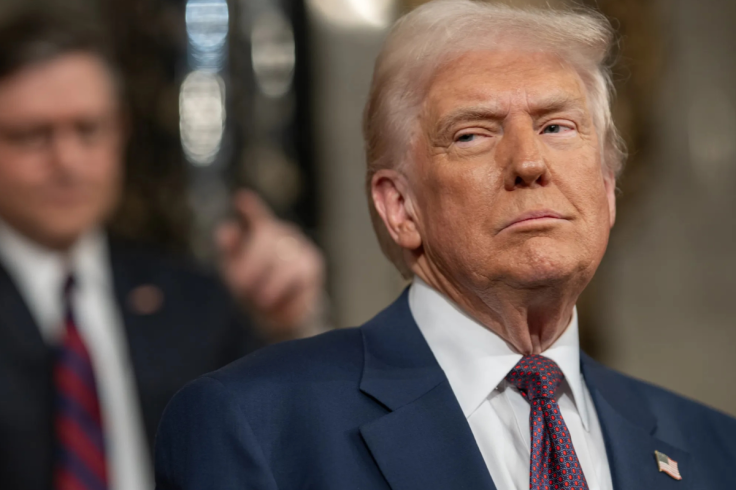
A federal judge recently nominated by Donald Trump has been assigned to oversee the president's $10bn defamation lawsuit against the BBC in Florida, in a move that pushes one of Trump's most politically charged legal battles into the hands of an appointee he personally championed.
The case centres on a January 2021 Panorama episode, which examined Trump's role in the events around the US Capitol riot.
BBC has already apologised for splicing together two different sections of a speech Trump delivered outside the Capitol on 6 January 2021.
The broadcaster insists the programme does not meet the legal threshold for defamation and says a Florida court has no authority over content that was not available there.
Trump, who has demanded a jury trial, is seeking $10bn in damages, and the case is currently slated to reach court in February 2027.
Trump Appointee Jeffrey Kuntz Steps Into BBC Defamation Fight
The new judge, Jeffrey Kuntz, was nominated by Trump in April to serve on the US District Court for the Southern District of Florida and confirmed by a 51–46 vote in the Republican-controlled Senate last month, according to BBC.
He replaces Judge Roy Altman, another Trump nominee, who had been presiding over the lawsuit until Kuntz's arrival on the federal bench in July.
Kuntz's reassignment of the BBC case is not unique. The defamation suit is one of 17 matters that have been shifted to him following his appointment to the court. Yet this particular transfer carries an obvious political edge. Trump is not only the plaintiff; he is also the man who helped put Kuntz in his new job.
Back in April, Trump announced the nomination on his social media platform, Truth Social, using the kind of emphatic praise he typically reserves for loyalists. In the post, he lauded Kuntz's work on Florida's Fourth District Court of Appeal and described him as 'TOUGH and SMART' who had 'delivered strong results for the Sunshine State.' Those capital letters were no accident. Trump was signalling that he saw Kuntz as an ally in a broader legal and political project.
The BBC, for its part, has moved to shut the case down at an early stage. Its legal team has asked the Florida court to dismiss the lawsuit outright, arguing that the Panorama broadcast did not defame Trump under US law and that the Southern District of Florida is the wrong place to hear the case, precisely because viewers there could not watch the programme.
None of those arguments has yet been tested at trial. Until Kuntz begins issuing substantive rulings, nothing is confirmed and everything should be taken with a grain of salt.
Questions of Conflict as Kuntz Handles Multiple Trump Cases
Kuntz's new role in Trump's BBC lawsuit is not his first encounter with Trump's defamation strategy. As a judge on Florida's Fourth District Court of Appeal, he was one of three judges who, on 12 February 2025, allowed Trump to continue a lawsuit against the Pulitzer Prize Board.
That case challenges the Board's decision to honour The New York Times and The Washington Post for their reporting on alleged Russian interference in the 2016 election.
In that earlier case, the appeals panel sided with Trump's effort to press on with litigation, rather than shutting it down. The lawsuit against the Pulitzer Board remains ongoing. It has already become a touchstone for critics who say Trump is using the courts not merely to clear his name but to punish institutions that scrutinised his presidency.
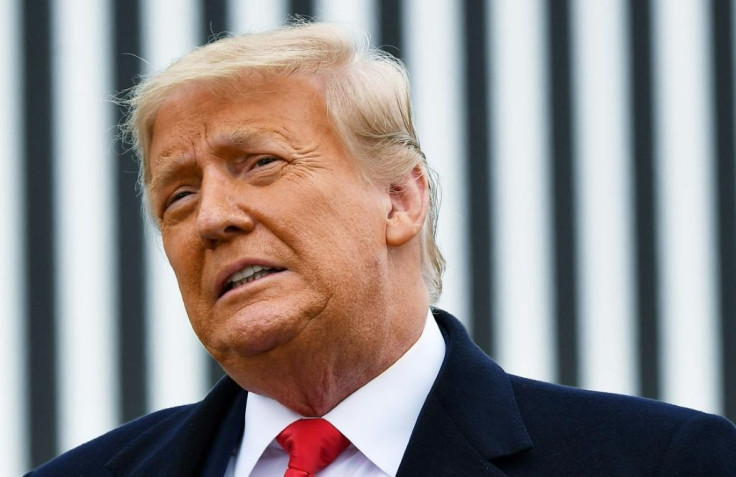
Kuntz's involvement in the Pulitzer matter has drawn its own scrutiny. When Trump nominated him to the federal bench in April, opponents quickly raised the question of conflict of interest.
They argued that Kuntz had been in discussions about a possible federal judgeship while still weighing Trump's legal claims against the Pulitzer Board, and that he should have stepped aside from that case.
Kuntz has firmly rejected that suggestion. He has said that Florida's judicial ethics rules did not require his recusal and that he was only contacted by the White House about a potential appointment after issuing his legal opinion in the Pulitzer dispute.
On the facts available, his timeline is difficult to disprove, but the optics are uncomfortable. A judge who helped keep one Trump defamation claim alive is now presiding over another that could cost one of the world's best-known broadcasters an eye-watering sum.
His appellate record is not solely defined by Trump-related cases. BBC notes that Kuntz has been involved in a broad spread of high-profile matters, ranging from efforts to release grand jury materials relating to the late sex offender Jeffrey Epstein to litigation over whether a survivor of the 2016 Pulse nightclub shooting could sue the security firm that trained and employed the gunman.
That background suggests a judge accustomed to politically sensitive and emotionally charged disputes.
Whether that experience will translate into a cautious handling of Trump's $10bn claim or a more aggressive stance toward the BBC is impossible to say at this stage. The case remains in its early phases, and key thresholds, such as whether Florida is even the right venue, have not been resolved.
What is clear is that a lawsuit that already blended media law, politics and questions of truth in broadcasting has just acquired another layer of complexity. The man now steering it owes his federal robe to the very plaintiff demanding his day in court.
© Copyright IBTimes 2026. All rights reserved.