

Judge Garaufis Blasts Trump DOJ for 'Highly Unusual' Dismissal of Adani Bribery Case
The court asked whether Adani's $10 billion US pledge factored into the DOJ's retreat
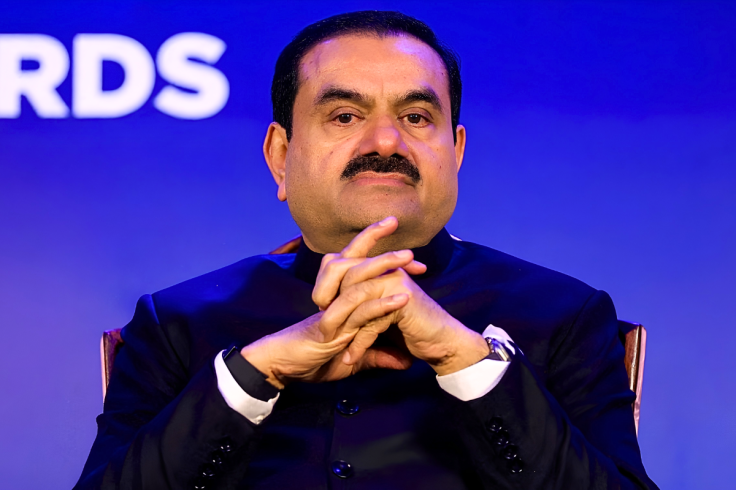
A federal judge in Brooklyn has torn into the Trump administration's Justice Department over its move to drop the bribery case against Indian billionaire Gautam Adani, refusing to bury two counts and branding a senior official's conduct 'highly unusual'.
US District Judge Nicholas Garaufis, of the Eastern District of New York, on Monday agreed to dismiss three of the five counts against Adani, one of the world's richest men, but reserved judgement on the remaining two, saying prosecutors had failed to clear basic procedural hurdles. He gave the department until 31 August to explain itself.
The 47-page ruling came months after the Justice Department moved in May to abandon a case that had run since November 2024. Garaufis made clear he was not endorsing that decision, nor ruling on whether Adani was guilty.
One Official, Sole Responsibility
Garaufis placed the blame on a single person. He named Trent McCotter, the Principal Associate Deputy Attorney General, as bearing sole responsibility for the push to drop the charges, and questioned how one official could override the work of the investigators and lawyers who built the case.
'McCotter appears to have eschewed the professional opinions of innumerable officials from various federal offices and replaced them with his singular judgment,' the judge wrote. He noted that McCotter reached the decision largely alongside Adani's defence lawyers, with no apparent input from the Federal Bureau of Investigation (FBI) and Securities and Exchange Commission (SEC) agents who investigated the alleged scheme.
The judge went further, rejecting McCotter's claim that the indictment was filed in the final days of the Biden administration to 'name and shame' Adani. That assertion, Garaufis wrote, was 'unbecoming of his office'.
The $10 Billion Question
Before signing off, Garaufis pressed on a detail few could ignore. He asked whether Adani's promise to invest $10 billion (£7.4 billion) in the US had shaped the decision to drop the case. Adani, in a sworn statement, said no such trade existed, and the judge accepted that the pledge did not drive the outcome.
Still, Garaufis flagged the wider worry such arrangements raise about public faith in equal justice, a concern that lands squarely with American readers watching a foreign billionaire walk free.
What the Case Was About
The indictment, unsealed in November 2024, accused Adani and seven others of agreeing to pay roughly $265 million (£196 million) in bribes to Indian officials to win solar energy contracts projected to earn about $2 billion (£1.5 billion) over two decades. Prosecutors said the group then hid the scheme from US investors while raising money on American markets. Adani, worth an estimated $90 billion (£67 billion), has denied wrongdoing throughout and never appeared in a US court.
A Pattern Under Trump
The dismissal marks the latest high-profile white-collar case shelved by federal prosecutors during Trump's second term. The Adani indictment was brought at the close of Biden's presidency and survived early pressure before the department chose to fold it.
For readers, the ruling sharpens an uncomfortable question. If prosecutors can quietly retreat from a bribery case tied to a $10 billion investment offer, does the same law apply to everyone? Garaufis, for now, has refused to let that question disappear.
© Copyright IBTimes 2026. All rights reserved.
- Recommended For You


