

Amazon Fresh and Amazon Go Store Closures: Full List of Locations Shutting Across the US
More than 60 Amazon Fresh and Go locations set to close or convert as the company pivots towards Whole Foods

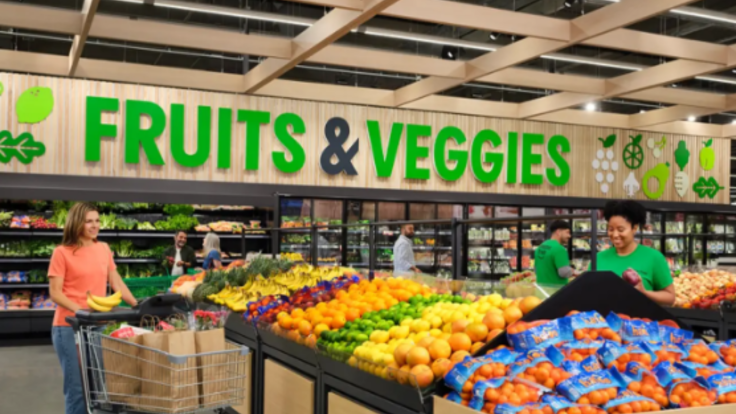
For years, Amazon invested heavily in new grocery formats aimed at transforming in-person shopping. The concept was straightforward: walk in, pick up what you need, and leave without checkout lines or cash registers.
Now, that experiment is being scaled back.
Amazon announced on Tuesday that it plans to close its Amazon Fresh and Amazon Go brick-and-mortar stores across the United States. Some locations will shut entirely, while others will be converted into Whole Foods supermarkets. This marks a significant change in strategy for a company that once promoted technology-driven grocery retail as its future.
In a blog post, Amazon stated that it 'hasn't yet created a truly distinctive customer experience with the right economic model needed for large-scale expansion.' Put simply, the format proved difficult to sustain at scale. According to company listings, there are currently 14 Amazon Go cashierless convenience stores and more than 50 Amazon Fresh supermarkets operating nationwide.
At the same time, Amazon emphasised that it is not abandoning physical retail altogether. The company plans to open more than 100 new Whole Foods Market stores in the coming years and will continue testing new store concepts. Earlier this month, Amazon also revealed plans for its largest-ever retail store, a 230,000-square-foot location outside Chicago.
What Is Closing and Why?
Amazon Fresh stores were designed as full-size, modern supermarkets, offering a wide range of groceries. Amazon Go locations focused on smaller convenience shopping, utilising cameras and sensors to automatically track purchases so customers could skip checkout.
While the technology attracted attention, Amazon said it did not deliver the right balance of customer experience and economics needed for nationwide expansion. Instead, the company will focus on Whole Foods and new formats that offer familiar layouts, competitive pricing, and broader appeal. This shift is less a retreat from physical stores and more a reset in Amazon's approach to grocery retail.
Full List of Amazon Fresh Locations Affected
California
- Cerritos
- Citrus Heights
- Corona
- Encino
- Elk Grove
- Fontana
- Fountain Valley
- Fullerton
- Huntington Beach
- Irvine
- Ladera Heights (Los Angeles)
- Long Beach
- Moorpark
- Murrieta
- North Hollywood
- Northridge
- Pasadena
- Poway
- Roseville
- Torrance
- Woodland Hills
- Upland
Illinois
- Arlington Heights
- Bloomingdale
- Morton Grove
- Naperville
- Naperville – Ogden
- Norridge
- North Riverside
- Oak Lawn
- Schaumburg
- Tinley Park
Maryland
- Chevy Chase
- Chevy Chase – Lake Terrace
- Gaithersburg
- Glen Burnie
- Silver Spring
New Jersey
- Eatontown
- Lodi
- Paramus
- Woodland Park
New York
- East Setauket
- Oceanside
Pennsylvania
- Bensalem
- Broomall
- Oxford Valley (Langhorne)
- Warrington
- Willow Grove
- Spring Garden (Philadelphia)
Virginia
- Alexandria
- Fairfax
- Falls Church
- Franconia
- Lorton
Washington
- Factoria (Bellevue)
- Seattle – Aurora
- Seattle – Jackson Street
Tennessee
- Nashville – warehouse pickup and storefront
Amazon Go Stores Also Closing
California
- Whittier
Illinois (Chicago)
- Merchandise Mart Plaza
- West Madison Street
- East Randolph Street
New York
- Vesey Street
- East 53rd Street
Washington
- Bellevue
- Mill Creek
- Puyallup (two locations)
- Seattle – Madison Street
- Seattle – Boren Avenue
- Seattle – 7th Avenue
- Seattle – Terry Avenue
What It Means for Shoppers
For customers, the changes may seem less drastic than they appear. Whole Foods stores will remain open, online grocery delivery continues, and Amazon affirms its commitment to investing in new physical retail concepts.
However, the cashierless convenience store model is being scaled back for now. The company appears to believe that shoppers still value familiar layouts, clear pricing, and in-store assistance alongside innovative technology.
If you live near one of these locations, your local store may soon close or reopen under a different banner — signalling the end of one of Amazon's most ambitious retail experiments and the beginning of a more traditional grocery strategy.
© Copyright IBTimes 2026. All rights reserved.