7-Eleven Closing Stores: Convenience Giant to Shut 600+ Outlets, Swap 'Dusty Shelves' for Miso Ramen
The overhaul is part of a broader reshuffle ahead of a planned 2027 IPO and reflects a wider shift in US convenience stores towards restaurant‑style formats.
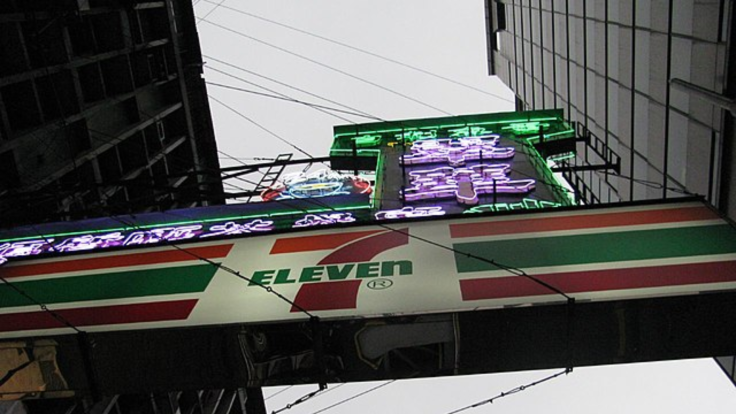
7‑Eleven will close more than 600 stores across North America between March 2026 and February 2027, as the convenience giant accelerates a shift away from small, low‑performing outlets towards larger, food‑heavy locations designed to look and feel more like fast‑casual restaurants than traditional corner shops.
7‑Eleven Closing Stores As It Chases 'Food‑Forward' Future
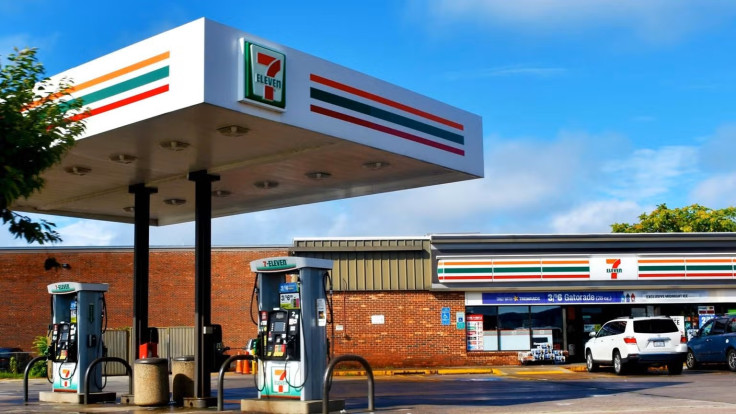
Parent group Seven & I Holdings has told investors the company will shutter 373 stores while opening 122 this year, then follow with 205 openings and a hefty 645 closures in its 2026 fiscal year. Some existing forecourts will be rebadged as 'wholesale fuel stores', which sit outside the official 7‑Eleven store count.
Underneath the spreadsheet manoeuvres sits a very blunt reality, the old convenience model is wearing out. Cigarettes, the long‑time profit engine for such chains, have seen sales tumble about 26% since 2019.
Footfall has softened under the combined drag of inflation, changing commuting patterns and an explosion of delivery apps. A small, tired 7‑Eleven with a few drinks fridges and a fading hot dog roller simply does not earn its keep like it once did.
Company executives insist the closures are the necessary counterpart to a more hopeful story. On a recent earnings call, 7‑Eleven president Stan Reynolds said the group's new 'food‑forward' stores are already pulling in stronger numbers.
'These food‑forward stores are resonating with our customers and driving [average sales per store day] about 18% higher than our system average,' he told analysts, adding that the format will continue to be refined 'to meet the needs of consumers both now and in the future'.
Strip away the corporate diction and the direction of travel is obvious, fewer dusty shelves, more dinner.
7‑Eleven Closing Stores While Building Bigger, Restaurant‑Style Hubs
Retail analysts who watch the sector closely are not convinced this is a simple expansion story. Blake Droesch, senior retail analyst at eMarketer, described the shift in a recent podcast as a fundamental re‑wiring of the brand rather than a march of relentless growth.
He said he sees it 'not really as much of an expansion as it is sort of a transformation of their business model', noting that 7‑Eleven has already 'closed more stores than they've opened the past two years and plan to do the same this year'.
In his view, the chain is 'completely shifting their business model from just convenience store to convenience store, plus restaurant or food service outlet plus grocery'.
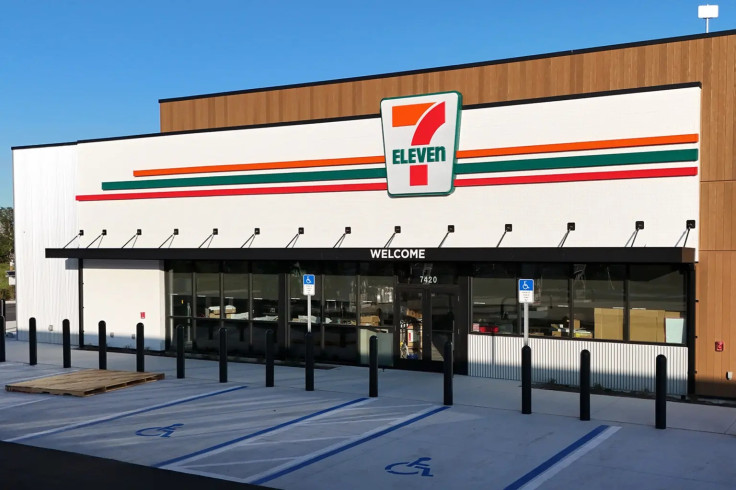
If that sounds grandiose for a brand best known for Slurpees and late‑night snacks, the menu suggests otherwise. As 7‑Eleven closes stores, it is simultaneously talking up a new line‑up of 'international‑inspired' dishes: milk bread, egg sandwiches and even miso ramen are being teased for US locations, a far cry from the lukewarm taquitos that defined the chain's earlier food ambitions.
What 7-Eleven Closing Stores Means For The Chain's Next Chapter
Behind the scenes, there is another layer to all this tidying up. Seven & I has been preparing for a public listing of 7‑Eleven itself. An initial public offering that had been pencilled in for 2026 has reportedly been nudged into 2027, giving management more time to close weak sites, standardise the new format and present cleaner numbers to prospective investors. All the closures, the openings and the menu upgrades are part of that pre‑game.
The wider convenience industry in the US has been creeping towards food‑led formats for years, and 7‑Eleven is arguably catching up as much as leading. Wawa, Sheetz and Buc‑ee's have already built strong customer bases around made‑to‑order food, branded coffee and an almost absurd abundance of snacks and fresh options.
Survey work by Nielsen NIQ and others has shown prepared foods and beverages growing faster than traditional categories such as fuel and tobacco.
One trade report, The 2024 State of Convenience from NIQ, put it bluntly: fuel and tobacco remain 'essential' for the sector's 150,000‑plus stores, but growth is 'being led by store formats that feature higher quality and greater variety of prepared foods and beverages'. The National Association of Convenience Stores recorded a 12% year‑on‑year rise in prepared foods in its latest industry report.
Richard Garcia, Shell's Global Manager of Convenience Retailing Operations, captured the shift in an interview with NIQ.
'The historical model for convenience, particularly in the U.S., is that you use fuel to attract people to your location,' Garcia said. 'That is absolutely changing to the store becoming the destination, and while they're there, you hope they might buy fuel. Now it's already happened.'
This is not the start of the retreat so much as the latest and boldest chapter. The chain has already shut more than 600 stores in 2024 and 2025 combined, including about 444 sites in the US and Canada, according to local and industry reports.
Those closures, representing roughly 3% of its 13,000‑plus North American stores, were officially described as 'portfolio optimisation' – a bloodless phrase for what staff and regulars experience as padlocked doors and darkened forecourts.
© Copyright IBTimes 2026. All rights reserved.
- Recommended For You