The Tech Purge: Why Nike Is Cutting 1,400 More Jobs Despite Their New 'Win Now' Promise
Behind Nike's upbeat 'Win Now' mantra lies a harsher reality of tech layoffs, automation and a race to prove the swoosh can still outrun its own slowdown.

Nike announced on Thursday that it will cut about 1,400 jobs across its global operations, with most of the losses falling on its technology workforce in North America, Europe and Asia, as the company pushes ahead with a 'Win Now' turnaround strategy under chief executive Elliott Hill.
Nike has been trying to halt sliding sales and restore its once effortless growth story for several years, with Hill now under pressure to deliver results quickly. The latest layoffs follow a January announcement of 775 job losses at US distribution centres, where roles were replaced as the company stepped up automation, and a further, smaller round of cuts last summer that affected less than 1% of its corporate staff. The cumulative effect is a business that, on paper, is getting leaner even as it talks up innovation and speed.

Nike 'Win Now' Strategy Collides With Tech Layoffs
Nike chief operating officer Venkatesh Alagirisamy framed the 1,400 job cuts as part of a broader reshaping of how the company works, rather than a change of course. 'Collectively, these changes will result in a reduction of approximately 1,400 roles in global operations, with the majority in technology,' he wrote, adding that the decisions are 'very hard for the teammates directly affected and for the teams around them, too.'
The restructuring touches several sensitive parts of Nike's operations. The company plans to overhaul its technology team, modernise its Air manufacturing operations, move some Converse footwear work elsewhere and fold its materials supply chain into the wider footwear and apparel supply chain teams. That is a technical way of saying the company wants fewer silos and more integrated operations, but in practice it means people whose jobs once looked future-proof are now at risk.
A Nike spokesperson said the layoffs are intended to better position the organisation for what it called 'the current pace of sports' and to help accelerate growth. The cuts represent less than 2% of Nike's global headcount, the company stressed, a familiar corporate attempt to make a painful number sound smaller. But any employee staring at their inbox on Thursday, when notifications began going out, would be forgiven for fixating on the 1,400 rather than the percentage.
Alagirisamy insisted this is not a dramatic shift. 'This is not a new direction,' he wrote. 'It is the next phase of the work already underway.' That line carries significant weight because, taken together, three rounds of layoffs in under a year signal a company that has not yet found its equilibrium.

Why Nike Is Cutting Jobs as Sales Slide
Hill's mandate has been straightforward on paper and brutally complicated in practice: get Nike back to 'long-term, profitable growth' after what the company itself describes as years of slumping sales. There have been flashes of progress, but the numbers remain stubborn. In its third fiscal quarter earnings report last month, Nike warned investors that sales are expected to fall for the rest of the year, with an especially sharp hit predicted in China, where the company is bracing for a 20% decline in the current quarter.
The renewed focus on cost and headcount is hardly surprising, but the choice to concentrate cuts in technology feels counterintuitive for a brand that has leaned so heavily on digital sales, data‑driven design and logistics. Nike is effectively arguing that it does not need less tech, but better organised, more efficient tech. Whether staff and investors buy that distinction is another matter.
There is also a tension between the speed of the 'Win Now' rhetoric and the slower, more uncertain reality of restructuring a global business. Turning Nike around is not like switching on a new app. It means recalibrating factories, renegotiating supply contracts, shifting product lines and, as these latest cuts underline, deciding which jobs belong inside the company and which can be automated or outsourced.
For those outside the boardroom, it can look like a technology purge presented as strategy. Automation is being framed as a route to higher productivity and a more efficient cost base, but it also quietly redraws the social contract between Nike and the thousands of people whose work underpins its swoosh-branded dominance.
The company has not yet detailed what specific severance support or retraining, if any, will be offered to employees affected by this latest round, beyond acknowledging the human cost in Alagirisamy's memo. Nothing has been confirmed publicly on those terms, so any assumptions about packages or redeployment should be treated with caution.
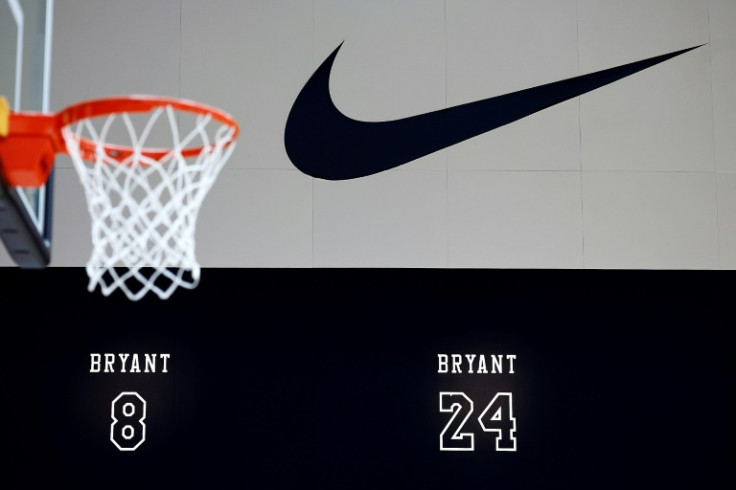
Nike is asking staff, markets and customers to trust that short-term pain and repeated rounds of cuts will clear the way for a revitalised, faster-moving business. The uncomfortable truth is that no one, including Nike, can guarantee that this particular mix of job losses, automation and restructuring will be enough to deliver the 'win' it keeps promising.
© Copyright IBTimes 2026. All rights reserved.
- Recommended For You