UK Shoppers Warned: AI Could Push Grocery Prices Up or Down Based on Weather, Demand and Time of Day
Bank of England warns that 'digitalisation' allows retailers to hike costs of essentials during peak hours as electronic shelf labels replace traditional paper tags
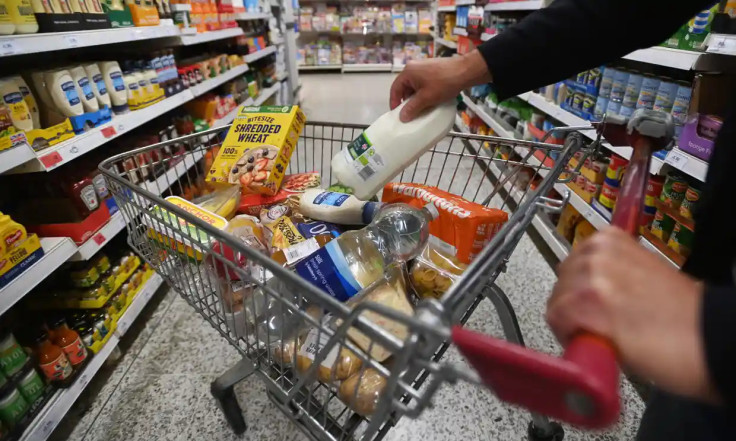
British families could soon find the price of a pint of milk or a loaf of bread changing before they even reach the checkout as supermarkets adopt artificial intelligence to drive dynamic pricing.
Retail giants across the United Kingdom are accelerating the rollout of electronic shelf labels (ESLs), creating the digital infrastructure needed to fluctuate costs based on weather, local demand, and even the time of day.
A recent Bank of England analysis on dynamic pricing suggests that the era of the 'static price tag' is coming to an end. Economists at Threadneedle Street warned that advances in data processing and machine learning now allow retailers to 'collect, process and store more data on consumers' than ever before. While industry leaders claim the technology will reduce paper waste and improve accuracy, consumer rights groups fear it opens the door to 'surge pricing' for essentials.
As of now, the technology is already appearing in stores operated by Tesco, Sainsbury's, and Morrisons, signalling a radical shift in how the British public experiences the weekly shop.
What Is Dynamic Pricing and Why It Matters
Dynamic pricing, also known as surge pricing, is a pricing model in which prices are adjusted in response to real-time market conditions, such as demand, supply, or competition.
While this approach is already common in sectors like airlines, ride-hailing apps, and ticket sales, economists and retail analysts say supermarkets could be the next frontier.
The Bank of England has warned that digitalisation has radically reduced the cost of changing prices, enabling retailers to update them frequently and at scale.
In practical terms, this could mean:
- Ice cream becoming more expensive during a heatwave
- Essentials rising in price during peak shopping hours
- Discounts appear during quieter periods to boost sales
The Role of AI and Digital Shelf Labels
At the centre of this shift is the rollout of ESLs, which replace traditional paper price tags with digital displays.
These labels allow prices to be updated instantly across entire stores, creating the infrastructure needed for AI-driven pricing.
The Bank of England noted that machine learning models can now infer demand curves and monitor competitors to optimise pricing decisions in real time.
Prices Could Rise Or Fall
Experts stress that dynamic pricing is not inherently negative. In some cases, it could actually reduce consumer costs.
Retail analysts suggest supermarkets may use the technology to:
- Lower prices on perishable goods nearing expiry
- Offer targeted discounts during off-peak hours
- Compete more aggressively on pricing
In parts of Europe where similar systems are already in place, dynamic pricing has sometimes led to lower prices as retailers compete for customers. However, the same system could also lead to higher prices during periods of strong demand, raising concerns about fairness.
Concerns Over Transparency and Fairness
Consumer advocates have warned that dynamic pricing could become difficult to regulate, particularly if prices vary between individuals, locations, or times of day.
Martyn James, a consumer rights expert, said he remains wary of major retailers embracing dynamic pricing, despite assurances that it will not be misused.
Drawing comparisons with other sectors, he pointed to industries such as air travel and live entertainment, where similar pricing models have already sparked criticism. 'In almost every other sector, from airline fares to gig tickets, providers have misused their powers to change pricing without any official oversight in real time...
'So how can we trust [supermarkets] to use digital pricing solely to update the cost of items without price manipulation?'
However, James acknowledged that if implemented responsibly, the system could represent a step forward, noting that the underlying technology required to support real-time pricing remains costly and complex.
There are also fears that wealthier areas could face higher prices, effectively subsidising discounts elsewhere.
Lessons From Other Industries
The controversy surrounding dynamic pricing is not new. Industries such as ticketing and ride-hailing have faced backlash for sudden price surges during high demand.
Recent experiments in AI-driven grocery pricing have also drawn criticism. In the US, some platforms tested systems that showed shoppers different prices for the same items, prompting concerns about transparency and trust.
These examples highlight the fine line between efficiency and perceived exploitation.
Despite growing concern, major UK supermarkets insist there are no current plans to introduce demand-based pricing.
Retailers say digital labels are primarily being used to:
- Reduce labour costs
- Improve pricing accuracy
- Cut paper waste
Industry bodies have also emphasised that widespread dynamic pricing in grocery stores is not imminent, even if the technology enables it.
What Shoppers Should Expect Next
While full-scale dynamic pricing may not arrive immediately, the direction of travel is clear. As AI tools become more advanced and widely adopted, supermarkets will have greater flexibility than ever before in setting prices.
For consumers, this could mean a more fluid shopping experience, where timing, demand, and even external factors like weather influence what they pay at the till.
The key question is whether this flexibility will benefit shoppers by lowering prices and reducing waste, or lead to a system where costs quietly rise when demand peaks.
For now, the technology is in place. Whether it reshapes the weekly shop will depend on how far retailers and regulators are willing to go.
© Copyright IBTimes 2026. All rights reserved.
- Recommended For You