Mark Zuckerberg Mocks Rivals for 'Creating God' as Rumours Suggest Anthropic Staff 'Worship' Claude
The Spectator report offers no proof of religious devotion among Anthropic staff, while renewed scrutiny focuses on the intense culture surrounding frontier AI companies
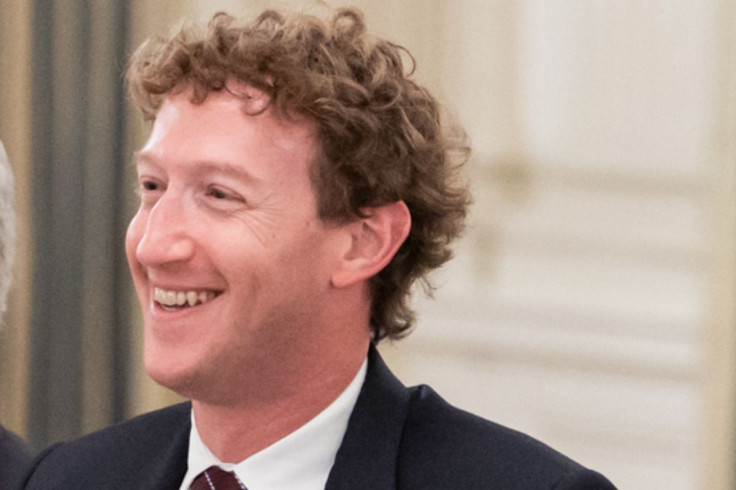
Meta chief executive Mark Zuckerberg's 2024 jab that some AI rivals appeared to think they were 'creating God' has resurfaced as a Silicon Valley rumour claims some Anthropic employees 'worship' Claude, the company's AI model.
The claim, cited by The Spectator, has not been independently established. Zuckerberg made the remark during a 2024 conversation with YouTuber Kane Sutter, distancing Meta from grand claims about artificial intelligence.
The comment now sits beside reporting and rumours about Anthropic's internal culture, including claims that prospective hires are screened for their views on AI safety.
Anthropic Claude Rumour Circulates in Silicon Valley
The Spectator's Sean Thomas wrote that a rumour is circulating in Silicon Valley that some Anthropic engineers go as far as to 'worship' Claude.
Thomas framed it as unverified, adding that, if true, it would fit longstanding ideas about how people might react to a superintelligent machine.
'If we build a superintelligence, we will first fall in love with it. Then we will worship it. Finally we will make sacrifices to it,' Thomas wrote.
The report does not establish that Anthropic has encouraged religious devotion to Claude, nor does it identify employees who have described the model in those terms. That distinction matters.
What can be attributed directly is The Information's reporting that candidates seeking jobs at Anthropic are expected to demonstrate commitment to AI safety and undergo psychological profiling.
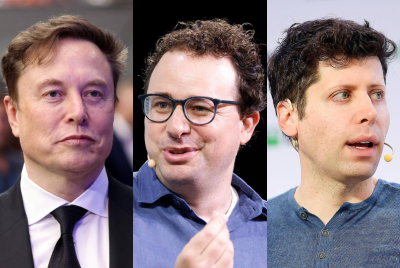
The industry has repeatedly used language that blurs engineering ambition with something more cosmic. Earlier, OpenAI co-founder Ilya Sutskever was reported to have commissioned wooden effigies representing 'unaligned' AI systems, another example of unusual safety culture.
OpenAI chief executive Sam Altman referred in 2023 to a 'magic intelligence in the sky', while some AI products have adopted explicitly religious framing, including Bible Chat, which describes itself as the 'number one faith app in the world' and says it has more than 40 million Christian users.
Zuckerberg's 'Creating God' Remark Returns
Zuckerberg addressed that broader rhetoric in his 2024 interview with Sutter. 'It's almost as if they kind of think they're creating God or something', he said, before stressing that this was not how Meta viewed its own work.
His remark targeted a tendency in parts of the AI sector to describe future systems in sweeping, near-omnipotent terms.
Renewed attention around Anthropic gives the old quote fresh context, although the 'worship' claim remains a rumour rather than a verified account of employee behaviour.
Concerns around belief in AI systems also extend beyond corporate culture. The supplied reporting points to cases in which users have developed delusional beliefs while interacting with chatbots, including ideas that they are prophets or divine figures.
Such episodes have fuelled warnings about what can happen when conversational systems are treated as sources of spiritual or supernatural authority.
Anthropic Claude Debate Meets High-Pressure AI Culture
Pressure inside frontier AI companies forms another part of the picture. The BBC reported last month that some employees in the sector were working as many as 90 hours a week amid what it described as a 'gruelling work culture', with tough performance reviews and frequent layoffs.
For workers immersed in systems that are routinely described as potentially transformative, even existential, the language around those systems can become unusually intense. Still, intensity is not evidence of worship, and the reporting provided offers no proof that Anthropic staff literally treat Claude as a deity.
Financial stakes are also rising. OpenAI and Anthropic will be pursuing public listings before the end of the year, giving each company a strong incentive to convince investors that its technology is unusually powerful. That commercial backdrop puts the industry's grandest claims, and its strangest rumours, under scrutiny.
© Copyright IBTimes 2026. All rights reserved.
- Recommended For You