

Ring's Little-Known AI Apps Let Landlords Monitor Tenants, Count Guests and Flag 'House Rule Violations'
Ring's AI apps handle rentals, lawns, pets and wildlife, with subscriptions costing up to $10 a month

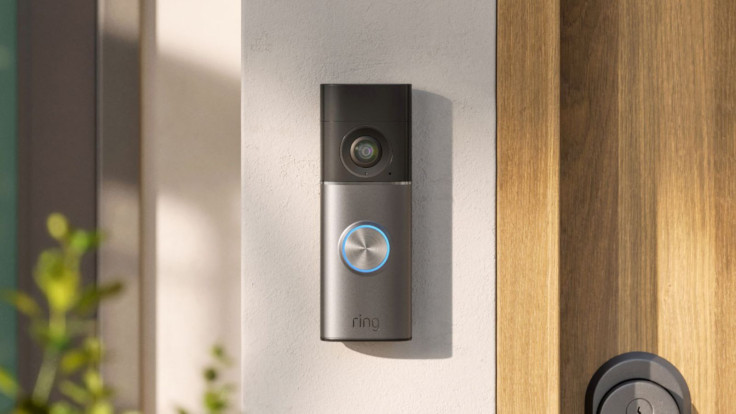
A security camera is meant to protect a home. But what happens when it starts counting visitors, tracking cleaning staff, and flagging possible rule breaches? Ring's lesser-known AI apps are turning everyday cameras into tools for monitoring people who live, work, and visit a property.
These third-party applications extend Ring cameras beyond conventional security. They can count occupants, track workers, summarise rental activity, and identify potential household issues. Others analyse pet behaviour and identify wildlife, raising questions about privacy, consent, and surveillance.
Landlords Can Count Guests and Monitor Rental Properties
ZoneGauge, which costs $5 per month, tracks the number of people in a monitored space, helping landlords identify possible overcrowding or gatherings that exceed permitted occupancy. GuardCat, priced at $8 per month, uses AI to summarise guest check-outs, cleaning visits, and potential house rule violations.
However, automated alerts do not prove that someone has broken a rule. Camera footage may lack the context needed to distinguish ordinary activity from an actual violation. Camera placement also matters. Airbnb prohibits indoor security cameras in its listings, preventing hosts from using them to monitor guests inside listed properties.
Ring's AI Apps Offer More Than Home Security
Ring's third-party applications use object recognition technology to analyse camera footage and identify specific activities. Many require an existing Ring subscription and an additional monthly payment, with prices generally ranging from a few dollars to around $10. Their functions include property management, workplace monitoring, landscaping, and wildlife identification. Owners can receive automated alerts instead of reviewing footage manually.
AI Cameras Can Flag Neighbourhood and HOA Violations
LawnWatch, available for $3 per month, can detect toys left on lawns and dog waste, helping homeowners monitor potential maintenance or homeowners' association (HOA) concerns. Greenlapse tracks changes in grass and plant growth, allowing homeowners to monitor landscaping projects. However, automated systems may flag activity without understanding the circumstances. A rubbish bin left outside, for example, may simply be waiting for collection. Such detections should not be treated as proof of a violation.
Apps Can Turn Cameras Into Workplace Monitoring Tools
Applications including ProofClock and TimeStack target industries such as construction and freight. They can track when workers arrive at a location and how long they remain there. Some also generate reports covering operational activity, uptime, and service-level agreements.
While useful for monitoring multiple sites, camera footage cannot establish whether employees completed their duties or why they left. Businesses should therefore avoid treating automated reports as a complete measure of working time or performance.
Pet Monitoring and Wildlife Identification Offer Other Uses
Not all applications focus on monitoring people. Pet Vet AI, costing $10 per month, analyses pet images for unusual signs, including limping, vomiting, and changes in sleeping habits. Its observations are not veterinary diagnoses and should not replace professional advice.
YardWild uses Ring's night vision to identify visiting wildlife and is designed to ignore people and birds. What's That Bird.AI identifies bird species captured by Ring cameras. It costs $5 per month, although dedicated smart bird feeders offer similar features.
Are Ring's Third-Party AI Apps Legal?
The legality of these applications depends on where and how they are used. Recording people in private spaces, capturing activity beyond property boundaries, or collecting personal information without meeting applicable legal requirements can raise privacy concerns.
Ring's app store includes an App Privacy section outlining information individual developers may collect. This could include motion events, email addresses, and access to a camera's live view. Developers can also disclose whether information is used to train AI models. However, these disclosures do not guarantee compliance with applicable data protection laws.
Convenience Comes With a Privacy Trade-Off
Ring's AI ecosystem shows how quickly a security camera can become a monitoring system. The same technology that identifies wildlife can count guests, track employees, and flag behaviour that landlords consider a rule violation.
For tenants, visitors, and workers, the distinction between security and surveillance may be increasingly difficult to recognise. An ordinary visit or working day could become another entry in an automated report. And if an AI system wrongly flags someone for breaking a rule, who takes responsibility? As cameras become better at interpreting everyday behaviour, the real question is no longer simply what they can see, but how much power their recordings give to the people watching.
© Copyright IBTimes 2026. All rights reserved.