

Who Is Ndiaga Diagne? Alleged Austin Mass Shooter's Motive Probed as FBI Eyes Possible Retaliation Linked to US Strikes on Iran
FBI Investigates Potential Terrorism Link in Austin Shooting
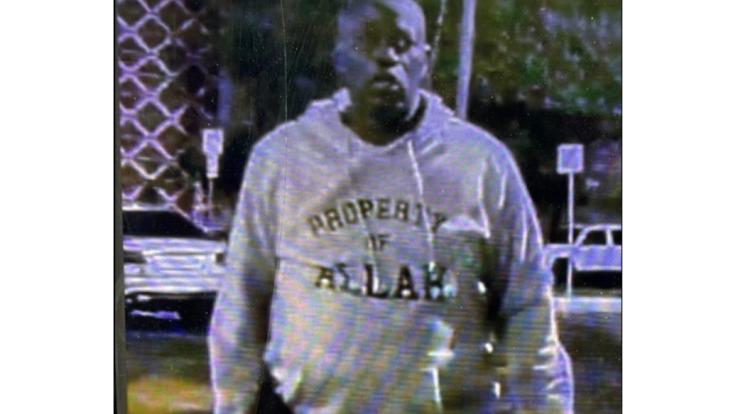
A chaotic mass shooting in Austin has left officials scrambling to understand why a man identified by social media commentators as Ndiaga Diagne opened fire outside a popular beer garden, killing two people and injuring 14 others before he was shot dead by police.
The FBI is examining the incident as a possible act of terrorism, although authorities have yet to publicly confirm many details about the alleged shooter or his motives.
Shooting Outside Buford's Beer Garden Shocks Austin
At about 01:58 local time on 1 March 2026, multiple gunshots rang out outside Buford's Backyard Beer Garden on West Sixth Street, a hub of nightlife near downtown Austin. Eyewitness accounts and law enforcement briefings described a man driving a large SUV around the block several times before stopping with hazard lights on, then firing a pistol and subsequently a rifle at patrons on the patio and passers-by.
By the time officers engaged the assailant and shot him dead, two civilians were confirmed killed at the scene and 14 others were wounded, three of them critically. Police Chief Lisa Davis, speaking at a press conference, confirmed that responding officers fired on the armed suspect after facing an immediate threat. Mayor Kirk Watson remarked that the rapid response by police and emergency services likely prevented further casualties.
🚨 BREAKING: The Senegalese Islamist mass shooter in Austin, TX has been identified as 53 y/o Ndiaga Diagne
— Nick Sortor (@nicksortor) March 1, 2026
He was wearing a “PROPERTY OF ALLAH” shirt during the attack, per @chiproytx
MORE innocent American victims of Islamic terror by someone who SHOULDN’T HAVE BEEN HERE!… pic.twitter.com/MM5PKiOKck
Identity of the Shooter and Early Indicators
Several social media posts named the suspected shooter as Ndiaga Diagne, an American citizen born in Senegal who resided in Texas. The FBI or Austin law enforcement has not verified these claims, and official authorities have not released the suspect's identity by name at the time of publication.
Reports noted that Diagne allegedly wore a shirt bearing the words 'Property of Allah' and an undershirt referencing Iran during the attack, and that a Quran was found in his vehicle. These elements have led investigators to consider ideological motives.
Representatives from the FBI's San Antonio office stated that 'indicators' found on the assailant and in his vehicle suggested a 'potential nexus to terrorism,' but cautioned it was too early to ascertain definitive motives. Authorities have not confirmed whether Diagne had formal ties to any extremist organisations or whether he acted alone.
JUST IN:
— Laura Loomer (@LauraLoomer) March 1, 2026
The shooter in Austin, Texas is Ndiaga Diagne, a Muslim naturalized citizen from Senegal, a Muslim country.
The Islamic terrorist, who killed 3 and wounded 14 others, had a Quran in his car and was wearing Islamic garb when he opened fire on Buford’s Backyard Beer… https://t.co/a2MAwNH9nW
Broader Context and Possible Influences
The shooting took place amid escalating tensions between the US and Iran following recent US military strikes that killed Supreme Leader Ayatollah Ali Khamenei. Some reporting has linked the shooter's attire and the items found in his vehicle to possible sympathies with Islamist causes, prompting federal terrorism task forces to assist local investigators.
Experts caution, however, that clothing, symbols, or personal items alone are not conclusive evidence of motive or affiliation. Comprehensive analysis of communications, digital footprints, and psychological history is required to understand any connection between geopolitical events and this attack.
🚨BREAKING: Austin, Texas shooter, identified as Ndiaga Diagne, a naturalized U.S. citizen born in Senegal.
— Benny Johnson (@bennyjohnson) March 1, 2026
He was wearing a sweatshirt that said “Property of Allah”, an undershirt referring to Iran and had a Quran in his car. pic.twitter.com/k84cYA0LtY
Local and National Response
The violence has reignited concerns about public safety in entertainment districts and the nation's broader struggle with mass shootings.
Community leaders and university officials in Austin have condemned the attack, expressing solidarity with victims and their families. Law enforcement has urged anyone with footage or information to come forward, emphasising the importance of witness cooperation in building a complete picture of what happened.
Federal agents from the Bureau of Alcohol, Tobacco, Firearms and Explosives are assisting with the evidence collection, and the FBI's Joint Terrorism Task Force is leading the probe into whether the event qualifies as a terrorist act.
Residents in the West Sixth Street area, a vibrant social corridor, reported chaos and disbelief in the wake of the violence. Several local businesses have temporarily closed as a crime scene investigation continues, with police cordoning off surrounding blocks. First responders were on site within less than a minute of the first emergency call, according to public safety dispatch logs.
The Search for Evidence and Transparency
At press time, authorities have not released an official motive, and some key information, including interviews with family members, prior police records, and forensic evidence, remains sealed or under active review.
Public records such as court dockets or criminal filings tied to Diagne have not been made available by any official source. Likewise, there have been no verified interview recordings from close associates or family members accessible on platforms like YouTube, formal press releases, or court documents that shed light on his personal life leading up to the incident.
Journalists seeking to examine the suspect's background must rely on public records requests to law enforcement and federal court filings, processes that often take days or weeks after such an incident.
Looking Ahead
The FBI's continued involvement underscores the complexity of the case and the seriousness with which federal officials are treating any indication of ideologically-driven violence.
Whether the shooting will be formally classified as a terrorist act remains to be determined by prosecutors, pending forensic examinations, psychological evaluations, and digital evidence reviews. The FBI's continued involvement underscores the seriousness with which federal officials are treating any indication of ideologically motivated violence.
As the probe advances, authorities have pledged to update the public with verified information and solicit community support in understanding the full circumstances that led to this tragic loss of life.
© Copyright IBTimes 2026. All rights reserved.