

UK Gambling Tax Shake-Up and What the New Rules Mean for the Industry
Britain's Gambling Industry is Staring at a Major Tax Shake-Up
The gambling industry in Britain is walking into a new tax environment. Online casino operators already face significantly higher duties, while remote betting may welcome, albeit begrudgingly, another tax increase in 2027.
This is not news that reputable casino platforms that are legal in the United Kingdom hoped for, but it is a development whose far-reaching effects they must contemplate and factor in going forward.
The Major Ongoing Tax Overhaul
Remote Gaming Duty (RGD) was the first excise tax to receive a 'revamp' when Britain's government upped it from 21% to 40% of the gaming provider's profits from 1 April 2026. More increases will follow in the new year, after Britain's finance minister, John Healey, announced the Machine Games Duty (MGD) increase on 28 October 2026, in his annual budget, as per Gamblermedia.com.
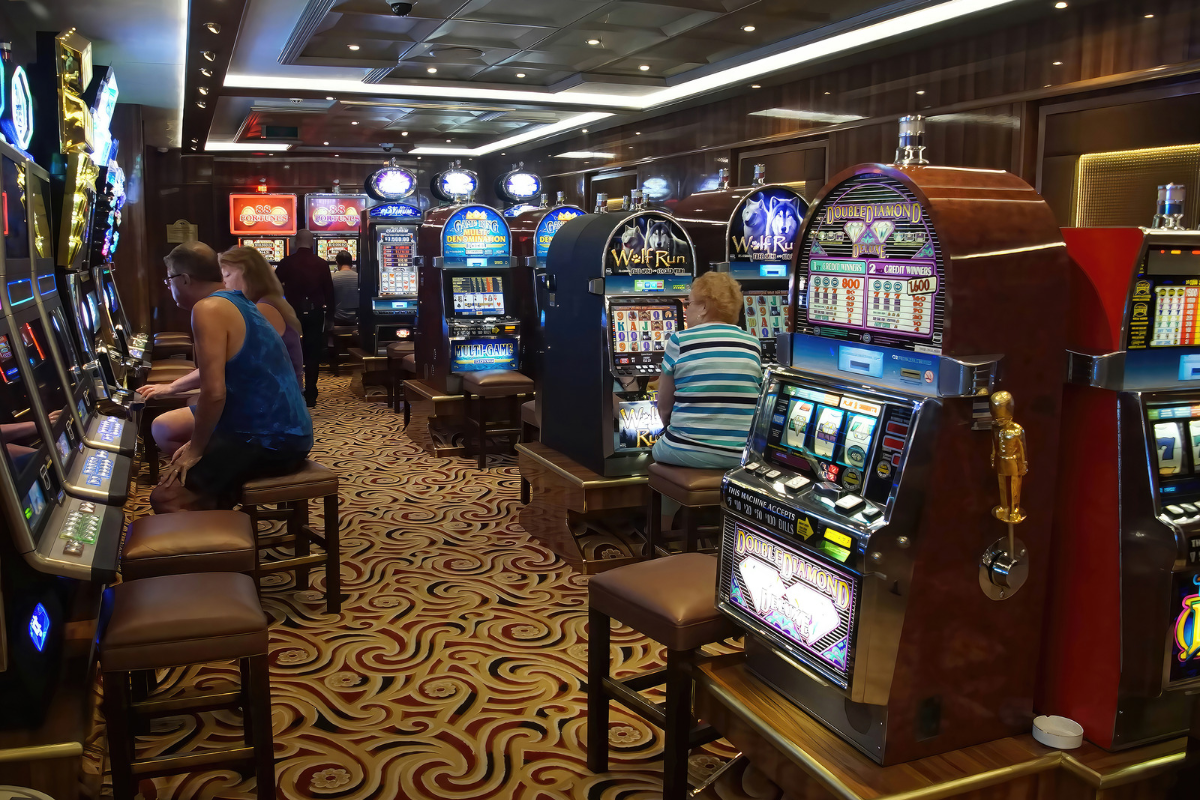
MGD will jump from 20% to 25% from 1 April 2027, for higher-stakes machines with stakes above £1 or prizes above £100. This overhaul will shift responsibility for MGD accounting and payments from operators to suppliers from April 2028.
The Chancellor has introduced a new rate on the General Betting Duty, setting the remote betting rate at 25% from 1 April 2027, while remote betting on UK horseracing and self-service terminals at licensed premises will remain unchanged at 15%.
Why the Government Feels Inclined to Increase Gambling Taxes
Despite the obvious industry pushback that followed these hikes, the government is trying to justify its moves. It insists that the tax revenue will fund high street and public priorities. The wider support for high street businesses will come in the form of business rate relief. The British government estimates that the new MGD will net it between £130 million and £135 million annually.
The government also hopes revenue will boost Treasury receipts. Earlier measures were projected to bring in £810 million in the fiscal year 2026/27, rising to £1.16 billion by 2030/31.
Britain also hopes hiking taxes will help address social harm. This premise is based largely on the 'polluter pays' rationale, with campaigners, think tanks and lawmakers arguing that higher taxes on gambling, especially its online and higher-risk formats, will counterbalance the economic and social costs of gambling harm.
The Effect of the Hikes on the Industry
The industry has pushed back steadily since the first hikes were announced.
Tax analysts and industry groups warn that higher rates shrink operator margins and will likely lead to fewer machines, venue shutdowns, and job cuts, especially in less profitable locations.
Black market risks and shifting odds may become prominent. Industry observers and economists think companies may want to cut their losses by marketing worse odds and promotions. Critics of the hikes argue that such taxes on licensed operators may create an environment that pushes players to unlicensed markets.
Overall, it is now important to evaluate if the government can tax gambling more without harming businesses and consumers. That said, there is broad consensus that Britain has changed how it taxes gambling. While it hopes the measures will raise public revenue and address gambling-related harm, they also create clear and present economic strain on operators.
The real test now is whether the government achieves its public health and fiscal objectives without triggering job losses, stagnating investment, or the flourishing of unregulated gambling.
© Copyright IBTimes 2026. All rights reserved.