

Trump Administration Makes It Easier for Companies to Deny Workers Employee Status and Benefits Under New Rule
The new rule replaces the Biden-era framework, giving greater weight to employer control and workers' opportunities

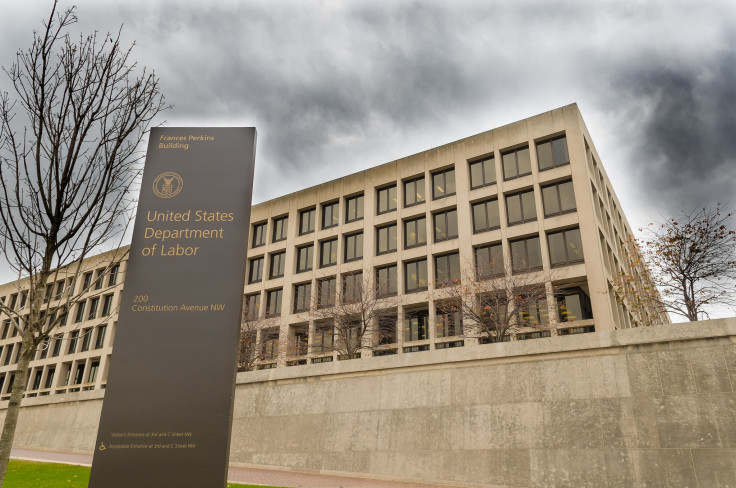
The Trump administration has introduced a new federal rule making it easier for companies to classify workers as independent contractors rather than employees, potentially leaving more people without access to employment protections and benefits such as minimum wage, overtime pay, and family and medical leave.
Announced by the US Department of Labor on 19th November, the final rule replaces regulations introduced under the Biden administration in 2024 with a streamlined test for determining whether someone qualifies as an employee or an independent contractor under federal labour laws. Note that the final rule becomes effective 60 days after publication in the Federal Register.
At the centre of the change is an economic reality test that examines whether a worker operates an independent business or is economically dependent on the company providing the work.
The revised framework places particular emphasis on two factors: the nature and degree of control a company exercises over the work, and the worker's opportunity to make a profit or incur losses through personal initiative or investment.
Under the rule, these two considerations are given greater weight than other aspects of the working relationship. Additional factors include the level of skill required, the permanence of the relationship, and whether the work forms part of an integrated production process.
The Labor Department also said that actual working practices should carry more weight than contractual arrangements or what a company theoretically permits a worker to do.
Gig Economy Workers Could Be Among Those Affected
The changes could have significant implications for workers in industries that rely heavily on independent contractors, including digital platforms, transport, and agriculture.
The department has included 14 examples illustrating how the revised test should be applied in different working arrangements. New examples involving farm labour contractors, digital platform workers, and truck drivers were added following feedback during the consultation process.
The distinction matters because independent contractors generally do not receive the same protections under the Fair Labor Standards Act (FLSA) as employees. These include federal minimum wage requirements and overtime protections.
Employee classification can also determine eligibility for protections under the Family and Medical Leave Act (FMLA), which provides qualifying workers with job-protected unpaid leave for certain family and medical reasons.
The new rule also applies to the Migrant and Seasonal Agricultural Worker Protection Act, which establishes protections for certain agricultural workers.
However, the Department stressed that the changes do not determine worker status under other federal laws, including the Internal Revenue Code, and do not override state or local employment laws.
New Rule Reverses Biden-Era Framework
The decision marks a significant reversal of the 2024 regulations, which adopted a broader, six-factor approach to assessing whether workers were economically dependent on an employer.
The Trump administration argues that the replacement framework offers businesses and workers greater clarity and predictability, while aligning more closely with federal appellate court decisions.
The department first proposed the changes on 27th February and received more than 16,000 public comments during a 60-day consultation period. It subsequently finalised the rule with modifications based on the feedback.
The announcement is likely to reignite debate over the growing use of contract labour and the balance between business flexibility and worker protections. For companies, the revised test could provide greater scope to engage workers as independent contractors. For workers, however, the classification could determine whether they qualify for some of the most important protections under federal employment law.
© Copyright IBTimes 2026. All rights reserved.