

Britain Rewrites Its 22-Year-Old 'War Book' as Families Told to Stockpile Food and Water
UK government advises families to stock emergency supplies as national threats rise
Britain is accelerating a rewrite of its classified 'War Book' for the first time since 2004 as ministers prepare households for cyberattacks, infrastructure failures and possible disruption linked to hostile states.
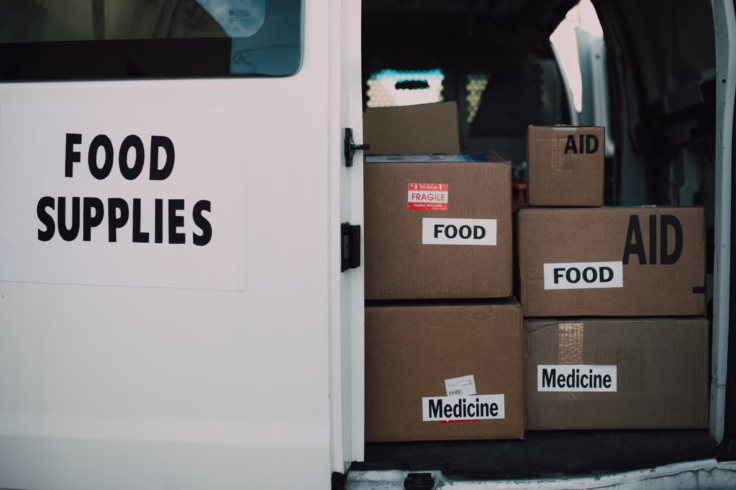
A new public information campaign will advise families to keep emergency supplies including bottled water, tinned food, medicines, torches and battery-powered radios. Officials say the guidance is intended to help households cope for several days without electricity, water or internet access.
The preparations come amid warnings that Russia could be capable of attacking a NATO country by 2030. However, the household advice will also cover extreme weather, flooding and other emergencies rather than focusing solely on war.
What Is Britain's 'War Book'?
The Government War Book contains plans for protecting Britain and maintaining essential services if an international conflict directly affects the country.
Earlier versions covered military operations, civil defence, communications, food distribution, transport and the continued functioning of government. The plans were last updated in 2004, when the Civil Contingencies Act introduced a different framework for handling national emergencies.
The new version is expected to reflect threats that were less prominent 22 years ago, including large-scale cyberattacks, sabotage, disinformation and coordinated disruption of critical infrastructure.
In its Annual Statement on National Resilience, the Government confirmed that it had accelerated home defence planning and was placing greater emphasis on aligning military and civilian responses.
Russia Threat Moves Planning Forward
Some elements of Britain's home defence programme have reportedly been brought forward from 2035 to 2030 because of the changing security environment.
Former prime minister Sir Keir Starmer warned that Russia could attack a NATO member within four years, based on assessments shared by Western intelligence agencies.
Tensions have increased following British support for Ukraine and Russian warnings of consequences for the UK. Ministers are also concerned about hostile states targeting power supplies, water systems, telecommunications and public services without launching a conventional military attack.
A suspected Iranian-linked cyberattack recently forced a small British energy generator offline. Officials said the wider power network was not endangered, but the incident demonstrated how individual sites could still be vulnerable.
What Families Are Being Told to Store
The Cabinet Office campaign will encourage households to prepare for emergencies lasting several days.
Existing government preparedness guidance recommends keeping bottled water, non-perishable food, essential medicines, a first-aid kit and hygiene supplies at home.
Families are also advised to have a battery-powered or wind-up radio, spare batteries, a torch and a portable phone charger. Important telephone numbers and medical information should be written on paper in case digital devices or internet services stop working.
The guidance recommends at least 2.5 to three litres of drinking water per person each day for survival. Additional water may be required for cooking, hygiene, babies, medical equipment and pets.
Officials are expected to present the campaign as practical preparation rather than panic buying. Helping more households support themselves during the first days of a crisis could allow emergency resources to reach vulnerable people more quickly.
Britain Plans Its Biggest Home Defence Drill in Decades
The revised War Book will be tested during Exercise Albiston Shadow in 2027, described as Britain's largest home defence exercise in several decades. The multi-day drill will involve ministers and hundreds of officials from government departments and public-sector organisations. Its exact scenario will remain classified.
Officials have confirmed that the exercise will test Britain's response to hybrid attacks, which may combine cyber disruption, sabotage, foreign interference and disinformation. The Government has also added seven threats to the National Risk Register, including cyberattacks against water, data and police systems.
Britain's renewed civil defence planning does not mean officials believe an attack is imminent. It does show that ministers no longer consider the country's post-Cold War emergency arrangements sufficient for the risks it now faces.
© Copyright IBTimes 2026. All rights reserved.