UK Wildfires Map 2026: Areas Affected by Drought, Hosepipe Bans, and Forest Fire Warnings
Millions face strict water restrictions and agricultural strain following the driest July in over a century, as emergency services battle widespread grassland blazes
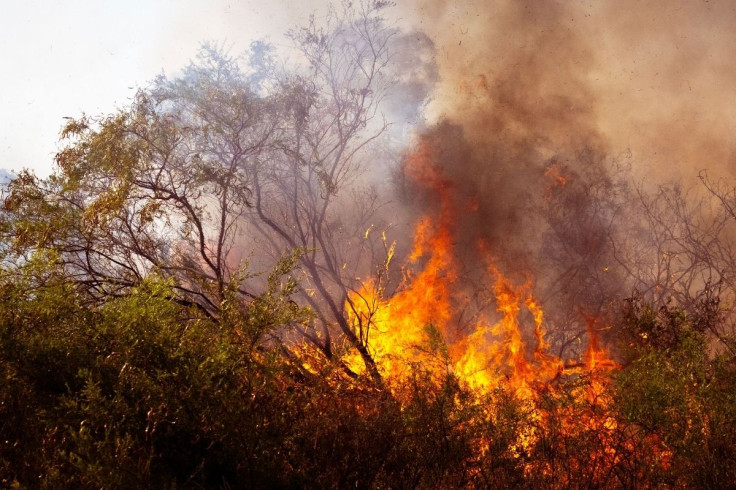
Following the driest July in England and Wales since records began more than a century ago, emergency services across the country remain on high alert amid a compounding crisis of UK wildfires map 2026 areas, extreme heat, and severe agricultural strain.
Provisional meteorological statistics indicate that England received a mere 5.6mm of rainfall throughout July, drastically shattering the previous record low of 13.4mm set in 1911. Wales experienced similarly arid conditions, recording just 7.9mm of precipitation.
The exceptional combination of prolonged heatwaves, abundant sunshine, and an almost total absence of rain has plunged large swathes of the country into official drought, leaving over 24 million residents restricted by mandatory hosepipe bans.
The government has warned that extreme weather could become the 'new normal' due to global warming. Drought has been declared across large parts of England and Wales as heatwaves strain water supplies, with more than 20 million people under hosepipe bans.
The UK Health Security Agency has issued amber heat health alerts for large parts of England, including the Midlands, the South-East, and the South West, until Wednesday. Yellow alerts were also issued in North West, Yorkshire, West Midlands, and the South West until 5 August.
Wildfire Emergencies and Public Safety Warnings
The tinderbox conditions have sparked numerous grassland and forest blazes, most notably in North Wales, where a fast-moving fire on Conwy Mountain forced the emergency evacuation of 36 homes last month.
Hundreds of acres of protected landscape within Snowdonia National Park, including the Sychnant Pass, were scorched before firefighters managed to contain the fronts.
North Wales Fire and Rescue Service (NWFRS) issued urgent pleas for sightseers and amateur photographers to stay away from active fire zones.
Authorities noted a dangerous surge in visitors attempting 'wild camping' near burn areas, which severely impedes emergency response vehicles.
Officials continue to implore the public to avoid disposable barbecues, ensure smoking materials are completely extinguished, and refrain from leaving glass bottles that can act as magnifying lenses under intense sunlight.
England and Wales are set for the driest July since records began.
The Met Office described last month as an 'exceptional combination of extreme heat, abundant sunshine and an almost complete absence of rainfall'.
With the NWFRS asking the public to 'avoid using disposable barbecues, ensure cigarettes are fully extinguished, take litter home and never leave glass bottles behind, as these can increase the risk of wildfire.'
Agricultural Disasters and National Food Security Concerns
Beyond the immediate fire hazards, the unprecedented drought has severely impacted the nation's farming sector.
National Farmers' Union (NFU) President Tom Bradshaw warned that domestic wheat and oat yields are exceptionally poor, while livestock producers have been forced to prematurely consume winter feed rations due to withered pastures.
'We can't change what's happening at the moment, there is no water in our rivers, but we must use this to take action for the future,' Bradshaw stated, emphasising that water security is directly tied to national security.
Vegetable growers are also facing critical water shortages, raising fears over future supermarket supply shortages and increased production costs.
Provisional statistics showed only 5.6mm of rain fell in England in July, which is less than half the previous record low of 13.4mm set in 1911. Wales saw 7.9mm, almost a third of the previous record of 22.6mm, also set in 1911.
The conditions have left much of England and Wales in drought, with more than 24 million people under official hosepipe bans.

Bradshaw said high temperatures and drought conditions have placed all areas of farming under increased pressure.
'We can't change what's happening at the moment, there is no water in our rivers, but we must use this to take action for the future,' he said in an interview.
'We have to recognise that water security is a critical part of our food security and food security is our national security.'
Water Shortage Hits UK Farmers
Industry leaders are urging the government to introduce targeted tax incentives for farmers to construct on-farm water storage reservoirs, warning that climate volatility risks compromising the UK's long-term food self-sufficiency.
Bradshaw suggested that farmers should be given tax breaks to build water storage systems to prepare for droughts in the years to come.
'We have taken our food supply for granted for far too long. The climates of those other countries around the world that we currently rely on to produce our food and vegetables are changing as well. It does feel like there is going to be some shortage of food products,' he said.
© Copyright IBTimes 2026. All rights reserved.
- Recommended For You