

California Bill 1627: Proposal Would Block ICE Agents And Employees From Becoming Cops or Teachers
Bill 1627 would block ICE employees from public service roles across California
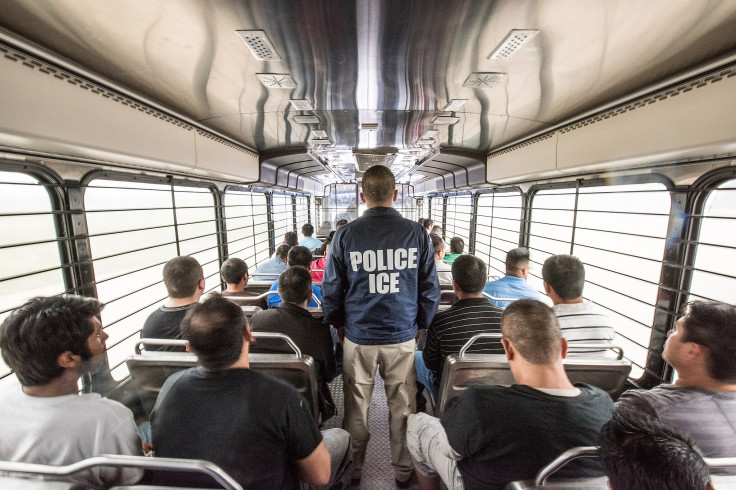
Assembly Bill 1627 seeks to prevent current and former Immigration and Customs Enforcement employees from taking positions as police officers or teachers across California. Introduced by Democratic Assembly member Anamarie Ávila Farias, the legislation reflects growing anger against federal immigration enforcement after actions taken under the Trump administration led to deaths and violence.
The bill would bar ICE employees from any law enforcement role, from local police departments to the state level, and from educational roles spanning kindergarten to university. Advocates say the measure protects vulnerable communities. However, opponents argue it could unfairly limit employment opportunities for former federal employees.
Who Bill 1627 Targets
According to the New York Post, Assembly Bill 1627 would permanently disqualify anyone currently working for ICE from holding law enforcement positions anywhere in California. That includes city and county police officers, sheriffs' deputies and state police.
The bill also extends to educators, prohibiting ICE employees from working in schools or universities, including the University of California and California State University systems. Critics of the agency highlight concerns over the treatment of immigrants and potential abuses of power, while supporters of Trump's policy stress national security and border safety.
Recent Incidents Linked to ICE Operations
The bill's introduction follows the death of armed anti-ICE protester Alex Pretti in Minneapolis, who was shot during demonstrations against federal immigration actions, among other deaths during ICE crackdowns on illegal immigrants. Proponents of Assembly Bill 1627 argue that such incidents demonstrate a need to prevent ICE personnel from assuming positions of public authority within the state.
State Assembly member Farias said the legislation aims to 'ensure accountability and protect vulnerable populations' from individuals previously tasked with enforcing federal immigration law. The bill's language frames ICE employees' prior duties as incompatible with the responsibilities of police officers and educators, citing the potential for conflicts of interest and public distrust.
California's Effort to Strictly Oversee ICE
Assembly Bill 1627 is part of California's efforts to impose stricter oversight on ICE and other federal agencies. Assembly member Matt Haney has also proposed a 50% tax on profits from private ICE detention facilities, and assembly member Alex Lee aims to end state tax breaks for companies with ICE contracts.
The bill is expected to be discussed in committee by Feb. 26, with further votes required in both the state House and Senate, plus the governor's signature, for it to become law. Analysts note that opposition from law enforcement unions and some civil rights groups could influence its progress.
What Happens if Assembly Bill 1627 Becomes Law?
The bill could become law if California Governor Gavin Newsom signs it, if a veto is overridden, or, in some cases, automatically after a period of inaction. If passed, Assembly Bill 1627 would block ICE employees from a wide range of public service careers.
Opponents say the bill could worsen staffing shortages in schools and law enforcement, as qualified individuals with prior ICE experience would be excluded. Supporters argue that public trust and safety outweigh potential workforce challenges, framing the measure as a preventative safeguard. Employment restrictions of this scale are rare and could set a precedent for similar laws in other states.
This would not be the first time a California governor has signed a similar bill. California's Senate Bill 54 (2017), also known as the California Values Act, prevents state and local law enforcement agencies from using their resources to assist federal immigration enforcement agencies such as ICE, except in cases involving violent offenders. The law effectively limits cooperation with federal immigration detainers and shared enforcement actions, upholding California's sanctuary policies designed to protect immigrant communities in the state.
© Copyright IBTimes 2026. All rights reserved.