

California Quartz Countertop Workers Suffer 592 Silicosis Cases in Deadly Silica Outbreak
New research finds severe disease among mostly Latino men as California weighs tighter engineered stone rules
California health officials have recorded 592 silicosis cases among engineered-stone workers since 2019. A 12 August NEJM Evidence report documented 65 lung transplants and 31 deaths among those affected.
The workers were young for severe occupational lung disease, with a median age at diagnosis of 46. About 98 per cent were Latino, and all but one were men.
How Quartz Dust Destroys Lungs
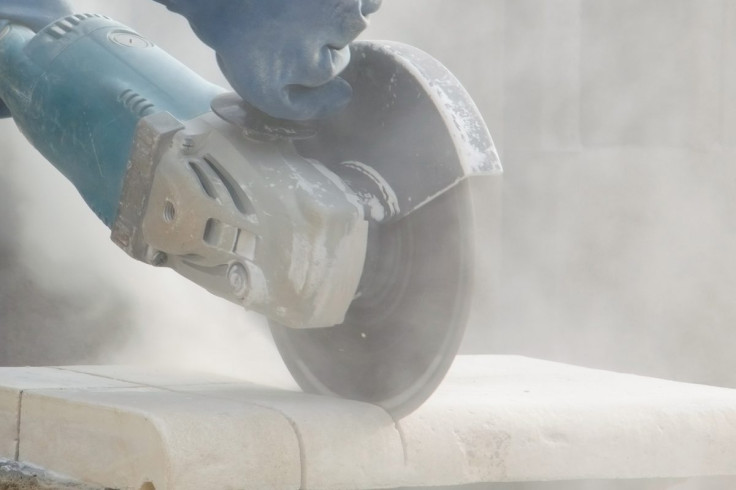
Silicosis is an incurable lung disease caused by inhaling respirable crystalline silica. Engineered stone, often sold as quartz, can contain more than 90 per cent crystalline silica, and cutting or grinding the slabs can release dangerous dust. Polishing can create further exposure, with fine silica particles travelling deep into the lungs.
The California cases involved workers diagnosed at young ages, many with short exposure histories before developing the disease. Among 138 workers referred for lung transplantation, 65 received transplants, a figure that shows the severity of the disease among affected workers.
Federal researchers have also found unsafe exposure levels in California fabrication shops. The National Institute for Occupational Safety and Health inspected workplaces across the state, and at 51 per cent of them, at least one worker exceeded the permitted exposure limit of 50 micrograms per cubic metre.
California began its surveillance effort after identifying an index case in January 2019. The worker died from respiratory failure, and investigators later identified two former employees from the same company with silicosis. Screening of 43 current workers uncovered another five cases, and the findings prompted wider surveillance across California.
Tougher Rules, More Citations, but Cases Keep Climbing
California has tightened workplace protections as cases have increased. Cal/OSHA introduced an emergency silica standard in December 2023, with a permanent standard following in February 2025.
The rules cover high-exposure work involving artificial stone. Employers must use effective wet methods to control dust and provide respiratory protection when necessary. Covered workers must receive medical surveillance, and employers must report work-related silicosis and silica-related lung cancer to state authorities.
Silicosis became a reportable disease in California in 2025, giving health officials another way to identify cases. Governor Gavin Newsom later signed Senate Bill 20, which introduced more reporting requirements and worker training while strengthening coordination between state agencies.
Cal/OSHA said in May that cases continued despite tighter protections. The agency had issued more than 900 silica-related citations, with proposed penalties reaching about $1.9 million. It also completed 465 onsite consultations, reaching 27,665 employees.
What a 1% Silica Ban Would Mean for California's Countertop Industry
California is now considering stricter limits on engineered stone. The Occupational Safety and Health Standards Board asked Cal/OSHA to pursue emergency rules that could prohibit artificial stone containing more than 1 per cent crystalline silica, applying to fabrication and installation work.
Officials said existing protections had not fully controlled worker exposure. The proposed threshold follows an approach already used in Australia, which banned certain engineered-stone products from 1 July 2024. The Australian restrictions cover manufacture, supply, processing and installation.
Australia uses a 1 per cent crystalline silica threshold in its definition of engineered stone, the same threshold California is now considering for its proposed restrictions. California researchers said the 592 documented cases probably understate the outbreak, as some workers may not receive screening and other cases may be misdiagnosed or never reported.
Researchers urged clinicians to ask patients about their work history and recommended screening countertop fabrication workers for silicosis. The report called for stronger controls to reduce silica exposure.
© Copyright IBTimes 2026. All rights reserved.