'Killer Kitchens': Calls Grow for UK Ban on Quartz Countertops as Incurable Lung Disease Cases Rise
Campaigners urge UK government to ban engineered quartz worktops as silicosis cases rise among workers.
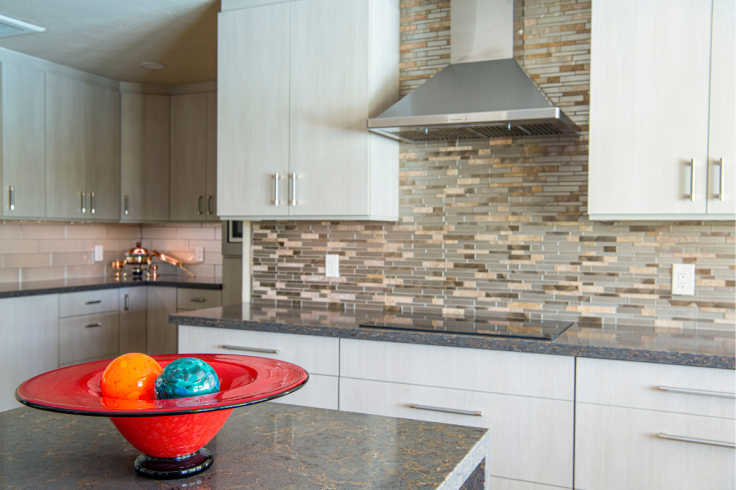
Campaigners, doctors and trade unions are renewing calls for the UK to ban engineered quartz worktops as cases of the incurable lung disease silicosis continue to emerge among workers who cut and install the material.
Popular for their durability and low-maintenance finish, engineered quartz surfaces have become a staple in modern kitchens. However, investigations by Sky News and The i Paper, published under the banner Killer Kitchens, have highlighted a growing number of stonemasons who have developed life-threatening lung disease after prolonged exposure to silica dust generated during fabrication.
Although ministers have tightened workplace safety rules, they have stopped short of introducing a complete ban, prompting campaigners to argue that stronger action is needed.
Why Engineered Quartz Can Be Dangerous
Despite its name, engineered quartz is not a natural slab of quartz. Instead, it is a manufactured product made by binding crushed stone with resins and pigments. Some products contain more than 90% crystalline silica, according to the British Safety Council.
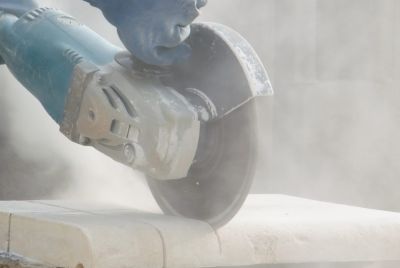
When the material is cut, ground or polished, it releases fine respirable crystalline silica (RCS) dust. Repeated inhalation can cause silicosis, an irreversible lung disease that the NHS describes as preventable but incurable. The condition can also increase the risk of tuberculosis, kidney disease, heart failure and lung cancer.
The danger lies in the fabrication process rather than the finished worktop itself.
Young Workers Among Those Diagnosed
Concern over engineered stone intensified after a study published in the journal Thorax identified eight cases of worktop-related silicosis in the UK. According to the British Safety Council, the men had a median age of just 34 and had all been dry-cutting engineered stone without adequate dust controls.
Dr Jo Feary, consultant in occupational lung disease at the Royal Brompton Hospital and lead author of the study, has described the situation as urgent.
'What's really striking is that this disease is affecting young people in their 20s and 30s, and there is no treatment for it,' she said, according to the British Safety Council. 'If they didn't do their job, they wouldn't have this disease. We need urgent action.'
Doctors later called on the Government to follow Australia's example by banning engineered stone worktops altogether, warning that workers employed by smaller firms and migrant workers may face greater risks because of inadequate safety controls.
Tougher Safety Rules Replace Calls for a Ban
Rather than prohibit engineered quartz, the Health and Safety Executive (HSE) introduced tougher controls in May 2026.
The new guidance effectively bans dry cutting by requiring water suppression techniques during fabrication and is supported by a year-long inspection programme targeting around 1,000 UK businesses.
According to the HSE, dry fabrication can expose workers to silica levels five to 10 times higher than wet-cutting methods. The regulator also said lower-silica engineered stone products are now available, removing the need for businesses to continue using higher-risk materials.
'Hilicosis is incurable, but it is entirely preventable,' said Mike Calcutt, the HSE's Deputy Director for Engagement and Policy. 'No worker should lose their life to a lung disease caused by their job.'
Sir Stephen Timms, Minister for Social Security and Disability, also backed the new guidance, saying every worker deserved to return home safely.
Campaigners, however, argue that stricter workplace controls do not eliminate the underlying hazard and continue to press for a complete ban.
Australia Leads the Way
Australia became the first country to ban the use, manufacture, supply and import of engineered stone after research linked the material to a sharp increase in silicosis cases among stonemasons.
Research from Monash University found a 27-fold rise in compensation claims for silicosis in Victoria after 2014, with 97% of affected workers employed in the stone benchtop industry, according to the British Safety Council.
The Australian ban took effect in July 2024 and was extended to imported products from January 2025.
While supporters say the move will save lives, other countries, including Germany, have opted for stricter exposure controls rather than a complete ban.
Should Homeowners Be Concerned?
Health experts stress that the current evidence points overwhelmingly to an occupational risk rather than a danger posed by installed kitchen worktops.
According to the NHS, silicosis develops after inhaling significant amounts of silica dust over many years, typically in industries such as construction, mining and stone fabrication.
A finished quartz worktop does not release harmful levels of silica dust during normal household use. The risk arises only when the material is cut, drilled or ground.
For that reason, homeowners planning alterations, such as fitting a new sink or hob, should avoid DIY cutting and instead use qualified professionals equipped with wet-cutting systems and appropriate respiratory protection.
© Copyright IBTimes 2026. All rights reserved.
- Recommended For You