

Oman Turtle Reserve Rules Explained After Influencer Sat on Sea Turtle: No Night Entry Without a Permit
Ukrainian fitness coach Vadym Oleynik has apologised, while the Environment Authority confirms legal action
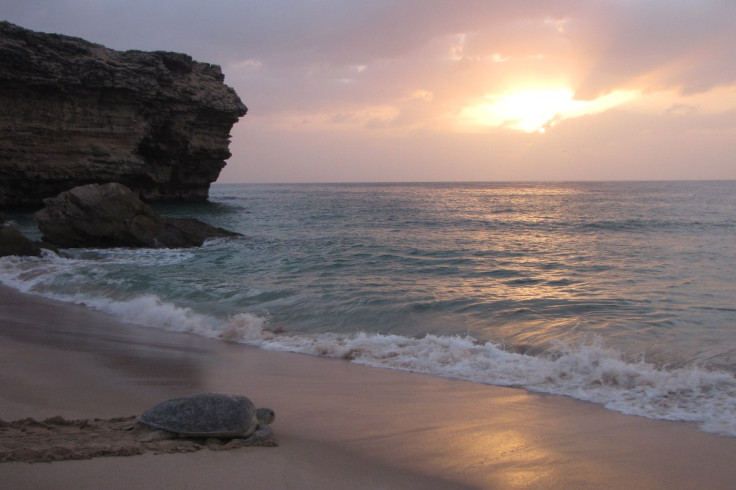
A Ukrainian influencer whose video appeared to show him sitting on a nesting green turtle at Ras Al Hadd has put Oman's turtle reserve rules in the news. Entry to the reserve, including at night, requires a permit, while access to turtle-nesting beaches at night must be accompanied by a registered monitor or guide. On 27 September, the Environment Authority announced that it had taken legal measures over the incident shown in the video.
Vadym Oleynik, 32, has said sorry. He says he did not see the rules. The authority said the behaviour violated laws and regulations protecting wildlife but did not identify a specific provision. Jack Brzoza, a turtle scientist in Florida, said in 2024 that 'human presence' can make a nesting turtle give up and go back to sea.
What the Reserve Rules Ban
The rules come from Ministerial Decision 64/2017, in force since August 2017. A UNESCO record says the reserve covers 45 kilometres (28 miles) of coast, including beaches, seabed, and two lagoons. The decision caps camping at 80 people in set areas, bans pets, and forbids beach driving. Inside the campsite, the speed limit is 50 kilometres (31 miles) an hour. Group games are off limits on nesting beaches.
The decision also bans touching nesting turtles, approaching them as they move, or handling their eggs. Nobody may use generators or camera lights for photography after 10pm. Violations can bring fines of up to 300 rials (about $782/£590); separate wildlife laws carry heavier penalties for some offences. Nasser bin Saleh al Zadjali led guiding at Ras Al Jinz in 2023. He told the Oman Observer: 'Turtles can know whether a beach is safe or not.'
What the Video Showed and What Followed
Oleynik, who posts coaching content, has about 200,000 Instagram followers. He posted, then deleted, the footage, several outlets report. The clip appeared to show him on the turtle's shell, holding a hatchling, and his partner posed on it in other photos. In an Instagram Story shared by Channel 5 News, he apologised to the authority. 'I didn't want to hurt the turtle,' he said.
By 1 October, the authority had not said what the legal action involves or what penalty the person concerned could face. Its statement on X asked citizens, residents, and tourists to keep their hands off turtles at nesting sites and report anyone who harms wildlife.
#توضيح | بشأن المقطع المتداول حول التعدي على السلاحف البحرية في منطقة رأس الحد، تتابع #هيئة_البيئة الواقعة، وقد تم اتخاذ الإجراءات القانونية اللازمة بحق الشخص المعني وفقًا للتشريعات النافذة، مؤكدةً عدم التهاون مع أي ممارسات تضر بالحياة الفطرية وموائلها الطبيعية.
— هيئة البيئة - عُمان (@ea_oman) September 27, 2026
Clarification |… pic.twitter.com/7BdOKgksFN
That day, it held a forum in Sur on sea turtle protection laws. Officials have not named the tourist in any public statement.
How To Watch Turtles Within the Rules
Thousands visit yearly to watch the turtles, says the UNESCO record. The decision sets a 3-rial (about $8/£6) daily fee for non-Omani adults. Guided visits at Ras Al Jinz run after dark and at dawn, with red torches and no flash, the Oman Observer reported in July.
Oman is not alone. In 2021, US broadcaster WBTW reported that police in South Carolina answered calls about beachgoers riding a green turtle as it tried to nest. Hatching is still under way. Ghasi al Farsi of Oman's Environment Authority said in July that it peaks between August and October on Masirah Island, another nesting site.
© Copyright IBTimes 2026. All rights reserved.