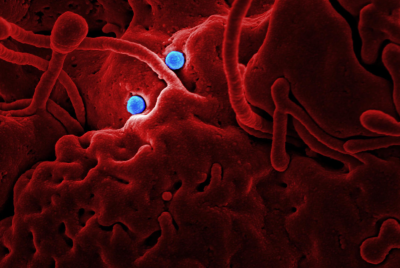
Who's at Risk From Deadly Fungus Outbreak in the US? Drug-Resistant Superbug Spreads Across States
'Candida auris' is a healthcare-associated fungus that survives on surfaces and resists antifungal treatments


A drug-resistant fungus is continuing to spread across healthcare facilities in the US, raising concerns among public health authorities. Candida auris, commonly known as C. auris, can cause severe infections and has been reported in multiple states. The fungus mainly affects people who are already seriously ill, while healthy individuals generally face a much lower risk.
According to the Centers for Disease Control and Prevention (CDC), 6,304 clinical cases of C. auris were reported in the US in 2024. The number of cases has increased every year since the first US case was identified in 2016, although the rate of increase has slowed since 2022.
A Fungus That Can Spread Inside Healthcare Facilities
C. auris is different from many common infections because it can survive on surfaces for extended periods. The fungus can remain on objects such as bed rails, medical equipment, and other healthcare surfaces. This allows it to spread between patients, particularly in hospitals and long-term care facilities.
People who carry C. auris on their skin or other parts of their body without showing symptoms can also spread the fungus. The CDC recommends early detection, patient screening, and strict infection prevention measures to reduce transmission in healthcare settings.
Who Is Most at Risk From C. auris?
Most healthy people do not develop C. auris infections. The highest risk is among patients who already have serious medical conditions or weakened immune systems. These include people receiving care in hospitals, nursing homes, and other healthcare facilities. Patients with a higher risk include those who:
- Have weakened immune systems
- Have spent long periods in healthcare facilities
- Use medical devices such as catheters or breathing tubes
- Have undergone major medical procedures
In these patients, C. auris can cause infections ranging from skin infections to serious bloodstream infections.
Fungus Detected Across Multiple US States
CDC data shows that C. auris has continued to spread across different parts of the US. As of July 25, 2026, 3,437 cases had been identified during the year. California reported the highest number of cases with 873, followed by Texas with 433 and Tennessee with 283.
The CDC said increasing case numbers do not necessarily mean the fungus is spreading more quickly. The agency noted that transmission patterns vary between states and local areas. Some regions continue to report ongoing spread, while others have limited outbreaks through early identification and strong infection prevention practices.
Since 2016, the US has recorded 17,091 clinical cases of C. auris. An additional 35,477 screening cases have also been reported among people who carried the fungus without symptoms.
Drug Resistance Creates Treatment Challenges
One of the biggest concerns surrounding C. auris is its ability to resist antifungal medicines. Some strains of the fungus are resistant to multiple types of treatment, making infections more difficult to manage.
A CDC analysis of 8,033 C. auris samples collected during 2022 and 2023 found that more than 95% were resistant to fluconazole, a commonly used antifungal medication. The analysis also found resistance to other antifungal medicines, including amphotericin B and echinocandins.
However, most C. auris infections can still be treated with echinocandins. The CDC continues to monitor resistance patterns because further changes could make treatment more complicated in the future.
Why Health Authorities Are Monitoring C. auris
The CDC works with state and local health departments, healthcare facilities, and laboratories to identify cases and prevent outbreaks. The agency says C. auris requires close monitoring because it can spread easily in healthcare environments, survive on surfaces, and show resistance to important antifungal treatments.
The CDC estimates that mortality rates linked to C. auris infections may range between 30% and 60%. However, many patients affected by the fungus already have serious underlying illnesses, making it difficult to determine the exact role C. auris plays in individual deaths.
Prevention Remains Key to Controlling Spread
Healthcare facilities remain central to preventing further transmission. The CDC recommends rapid identification of cases, screening of high-risk patients, and strong infection control measures.
For the wider public, health authorities say the greatest concern remains among vulnerable patients in healthcare settings. As C. auris continues to appear in more areas, public health agencies are focusing on early detection and prevention to limit the impact of this drug-resistant fungus.
© Copyright IBTimes 2026. All rights reserved.
- Recommended For You